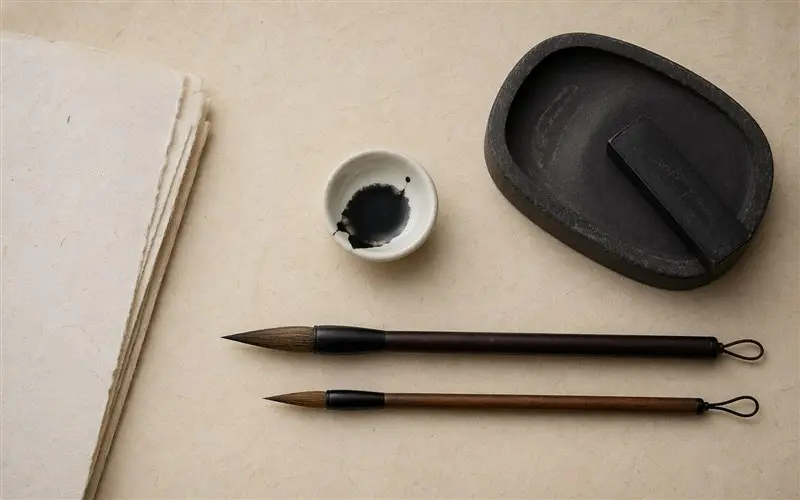
Learn Calligraphy
Japanese Calligraphy for Beginners: A Complete Guide (2026)
A practitioner's complete introduction to Japanese calligraphy (shodō): its history, the five styles, the tools you need, and a realistic 30-day practice plan.
書道 shodō · Japanese calligraphy
Hello, I'm K. Yama. I have practised shodō for more than ten years and teach small classes in Japan. These guides help you pick up a brush, understand what a kanji really means, and choose tools and gifts with confidence.

Six good first reads, one for each reason people visit.
A practitioner's complete introduction to Japanese calligraphy (shodō): its history, the five styles, the tools you need, and a realistic 30-day practice plan.
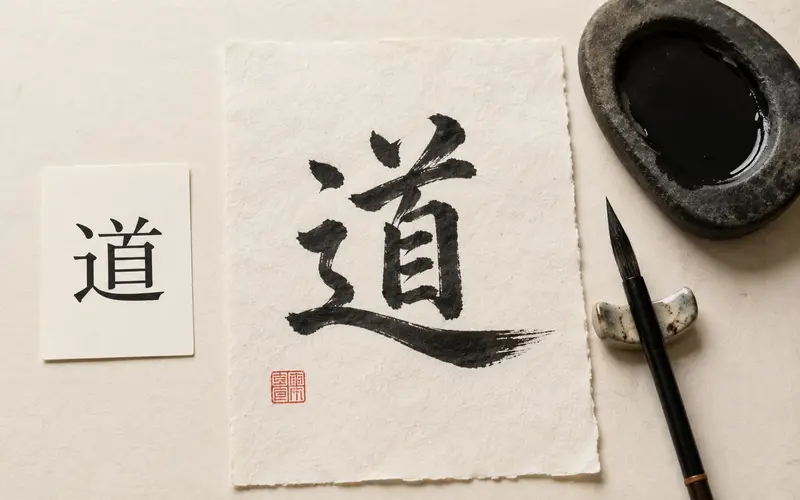
Most kanji tattoos are subtly wrong in ways their owners never learn. A Japanese calligrapher's complete guide to choosing, writing, and getting a kanji tattoo right.
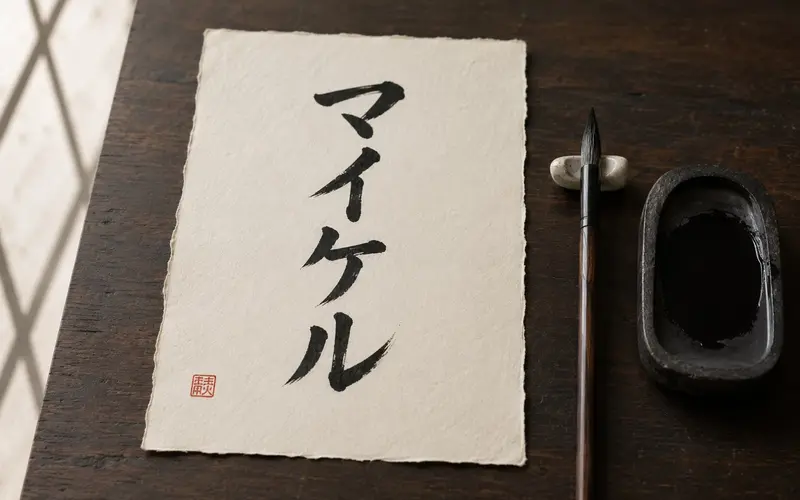
Your name in Japanese is written in katakana by sound, not kanji by meaning. How the conversion really works, and the mistakes that trip everyone up.
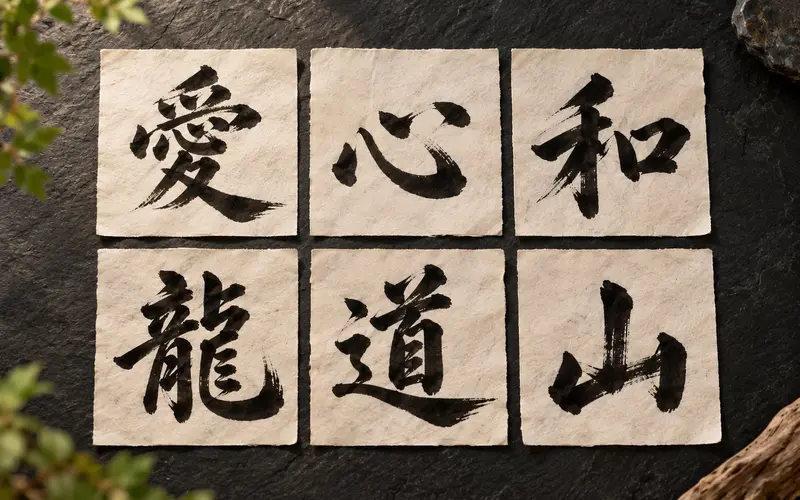
Every kanji in our single-character series, grouped by theme — nature, virtues, Zen, the warrior — with its real meaning and a link to the full guide on how to write it.
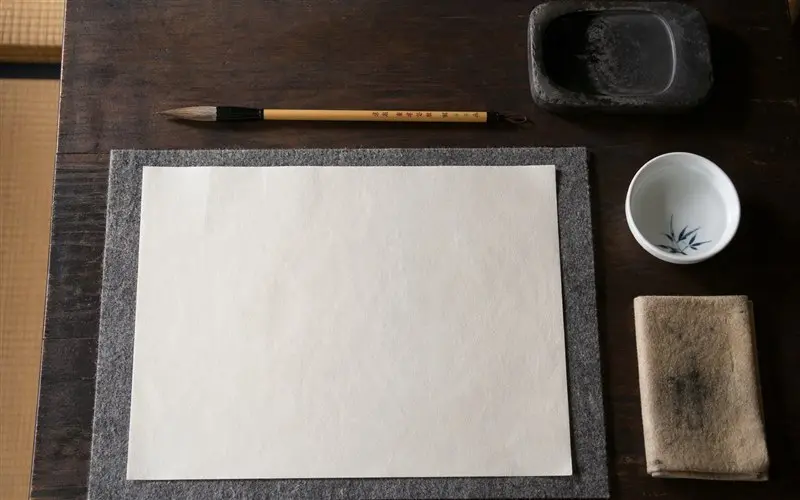
A calligrapher's honest look at the best Japanese calligraphy starter sets for beginners in 2026 — what to buy, what to skip, and which kits are actually good.
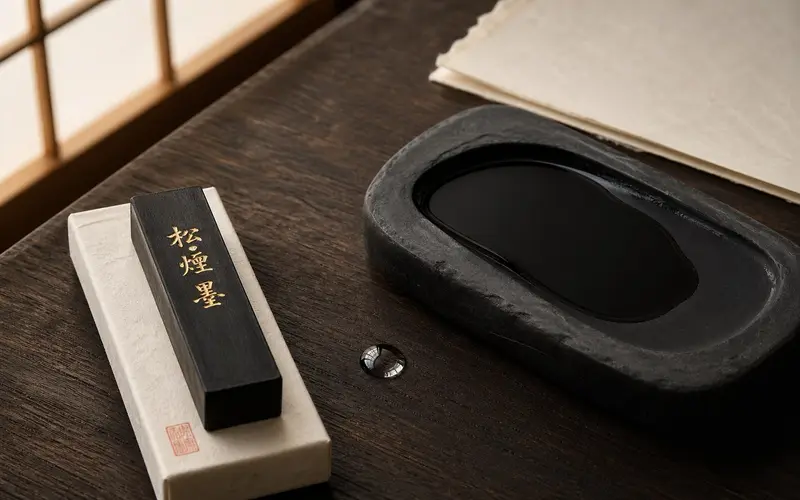
Sumi ink covers everything from $4 bottles to $400 inksticks under one name. A practitioner's guide to what sumi actually is and what beginners should buy.
Tap a character for its real meaning, where it comes from and how to write it.
No talent needed: a brush, ink, paper and one clear step at a time.
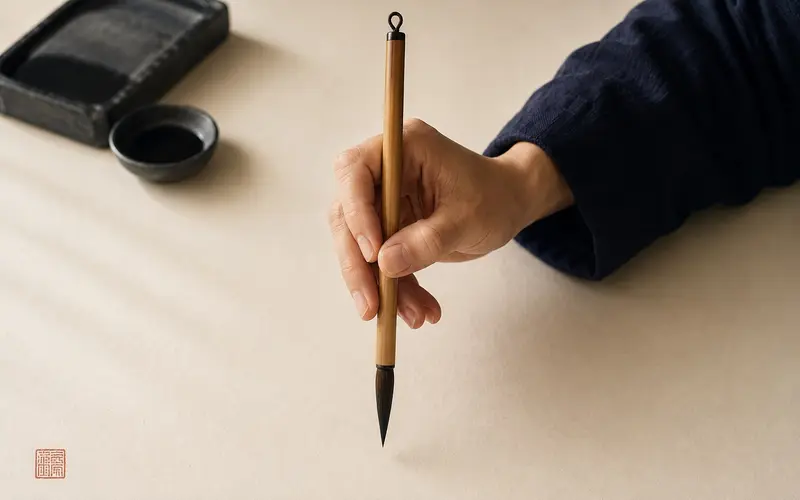
Most shodō goes wrong before the brush touches paper — because of how the brush is held. A Japanese calligrapher's step-by-step guide to the correct grip.
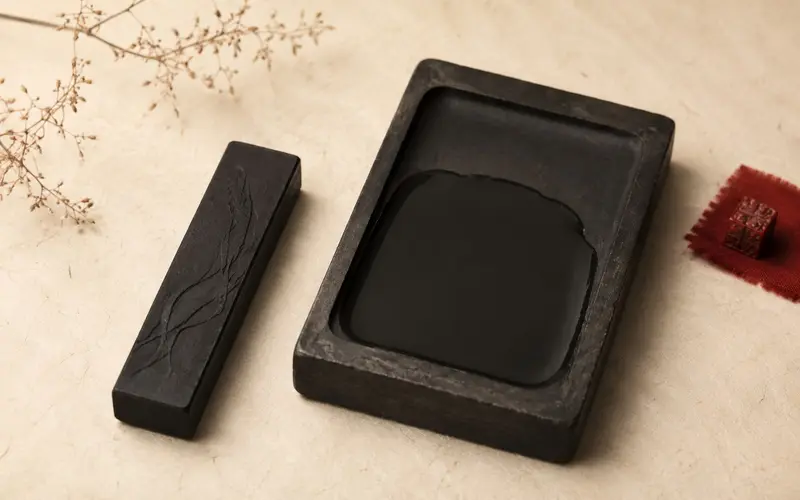
Grinding your own ink takes ten minutes and changes everything. How to grind a sumi inkstick on a suzuri — and why calligraphers still do it by hand.
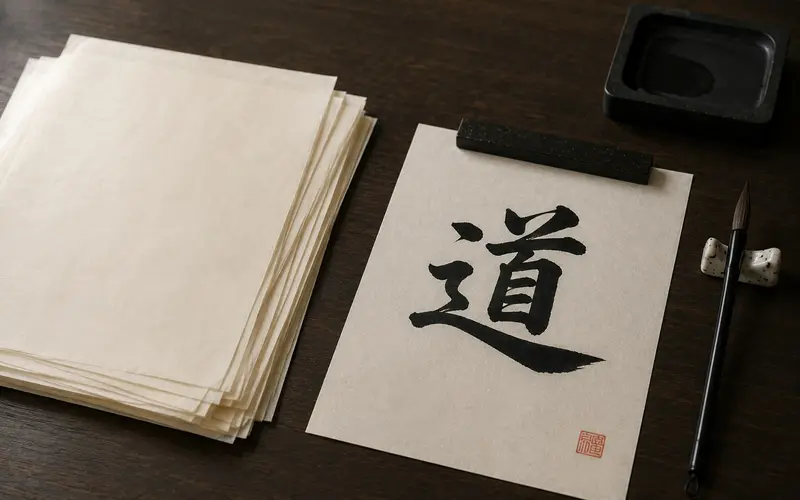
Hanshi is the standard practice paper for Japanese calligraphy. What it is, which side to write on, how to store it, and what to buy first.
Honest picks for beginners and gift-givers, with plain reasons and prices.
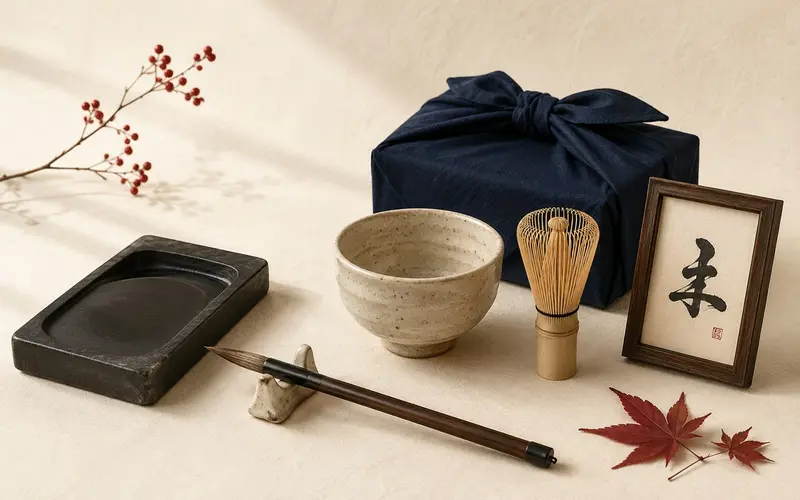
What to give someone who loves Japan — and what to skip. Honest, useful picks across calligraphy, tea, and craft, plus the tourist junk to avoid.
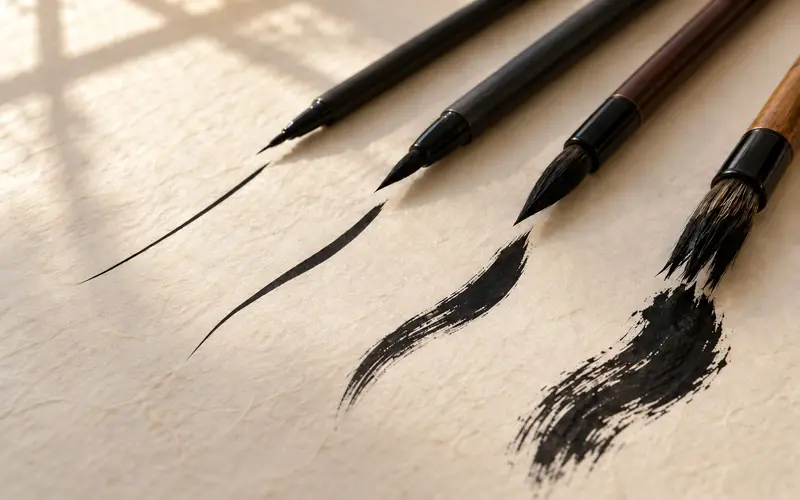
A Japanese calligrapher compares the four brush pens (fude pen) actually worth buying — Tombow, Pentel, Kuretake — and explains what a brush pen can and can't teach you.
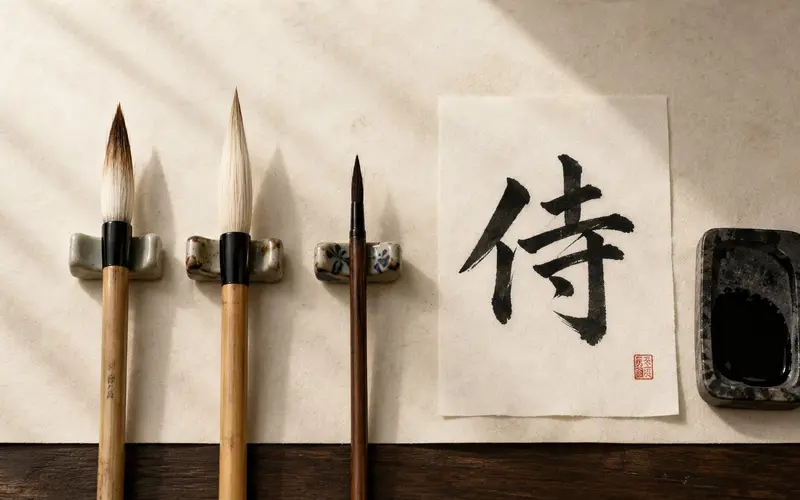
Most beginner calligraphy brushes are sold by people who don't write with one. A Japanese calligrapher compares the three brushes worth your first purchase.
Wabi-sabi, ikigai, kintsugi and more, explained simply and without the myths.
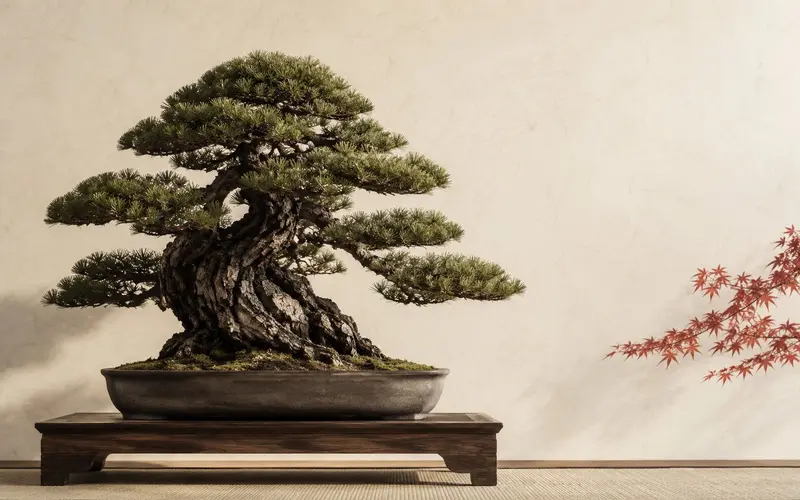
Bonsai means 'tray planting.' What the two kanji say, how to brush them, and why a fine tree is traditionally shown in an alcove beside a hanging scroll.
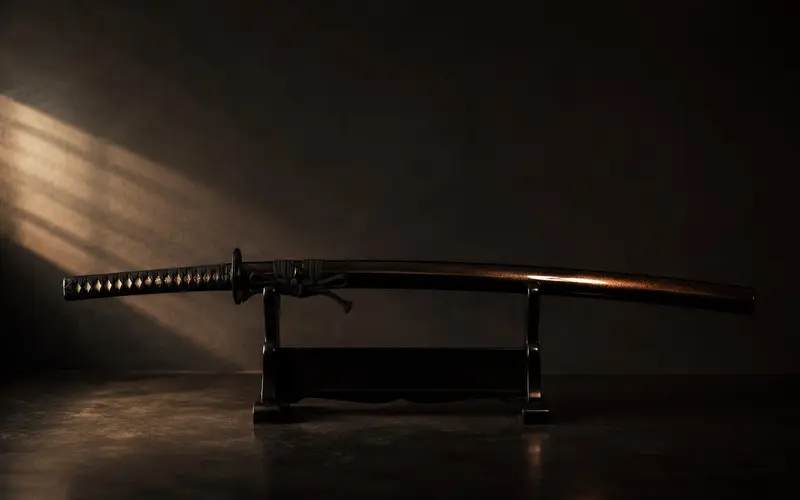
The samurai virtues are written 義, 勇, 仁, 礼, 誠, 名誉 and 忠義. What each kanji means, where the list comes from, and the ideal of brush and sword.
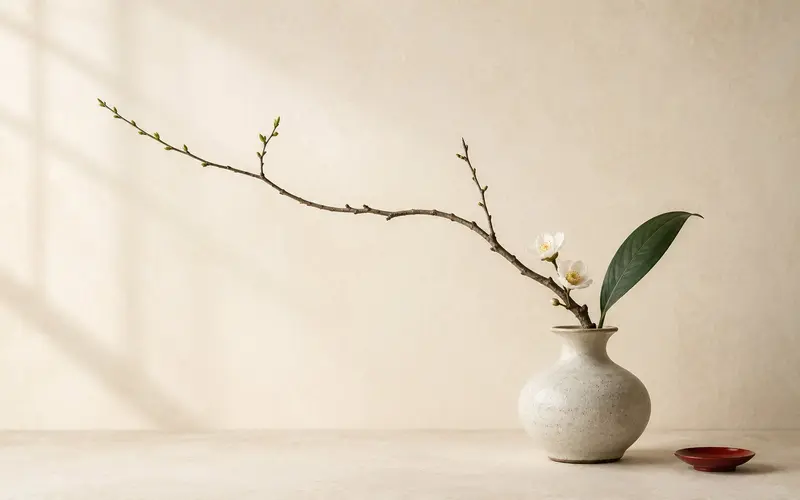
In a Japanese alcove, flowers and a hanging scroll are chosen together. How ikebana and calligraphy share the tokonoma, and how to pair them.
I'm K. Yama, a shodō practitioner in Japan. I have been at the brush for more than ten years, practise every week and teach small in-person classes. The site is written from Japan for English-speaking readers who want more than a surface tour. I have no financial ties to any brush, ink or paper maker, so the recommendations reflect a practitioner's taste, not brand deals.