Posts
All the articles I've posted.
-
Best Japanese Calligraphy Gifts Under $50 (2026 Holiday Guide)
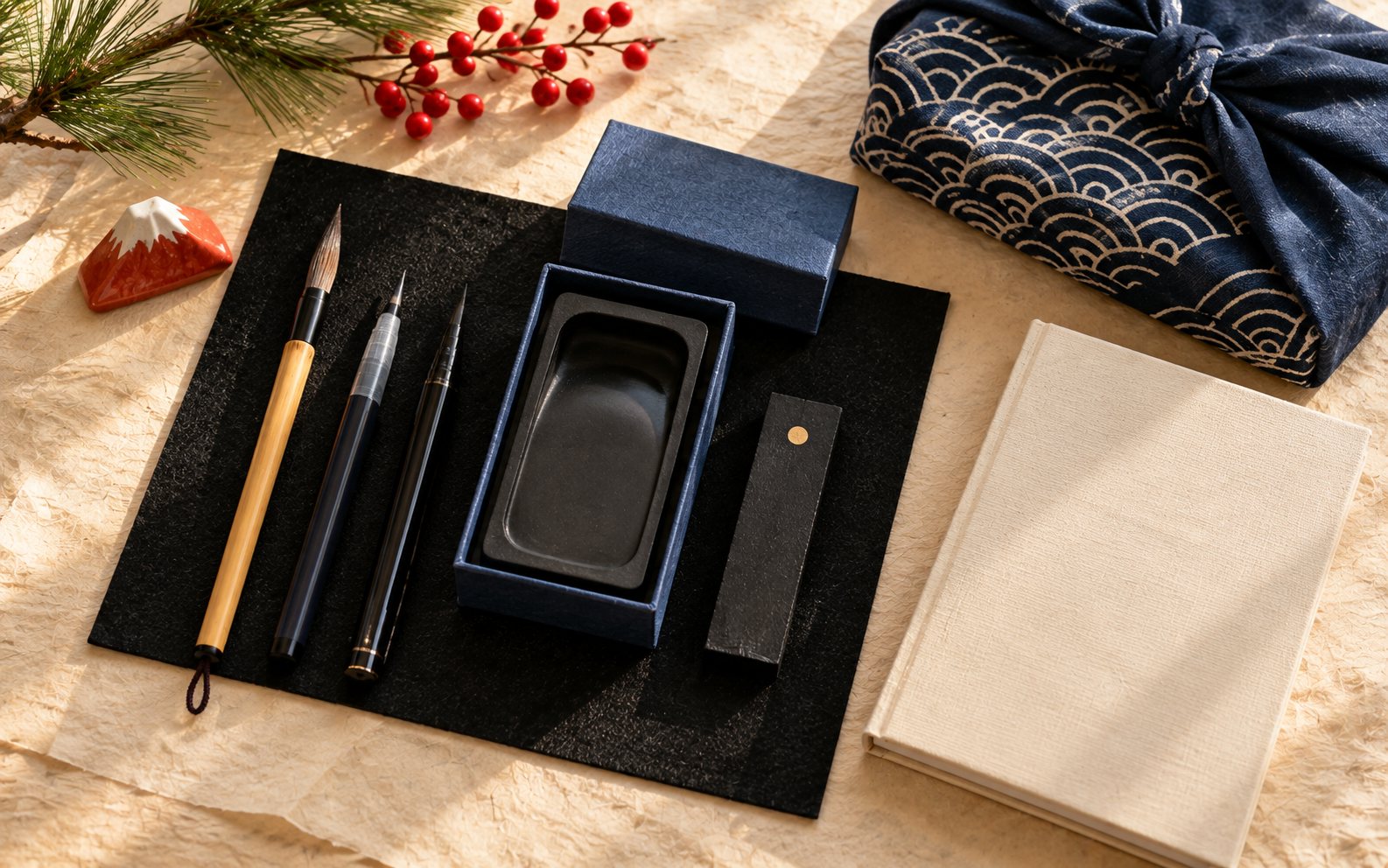
By K. YamaUpdated:Fifteen gifts a Japanese calligrapher would actually be glad to receive, every one under $50 and on Amazon: brush pens, ink stones, the one book, a kintsugi kit, and three bundles that make a complete present.
Continue reading → -
Best Water Calligraphy for Adults (2026): Buddha Board vs Water-Writing Cloth
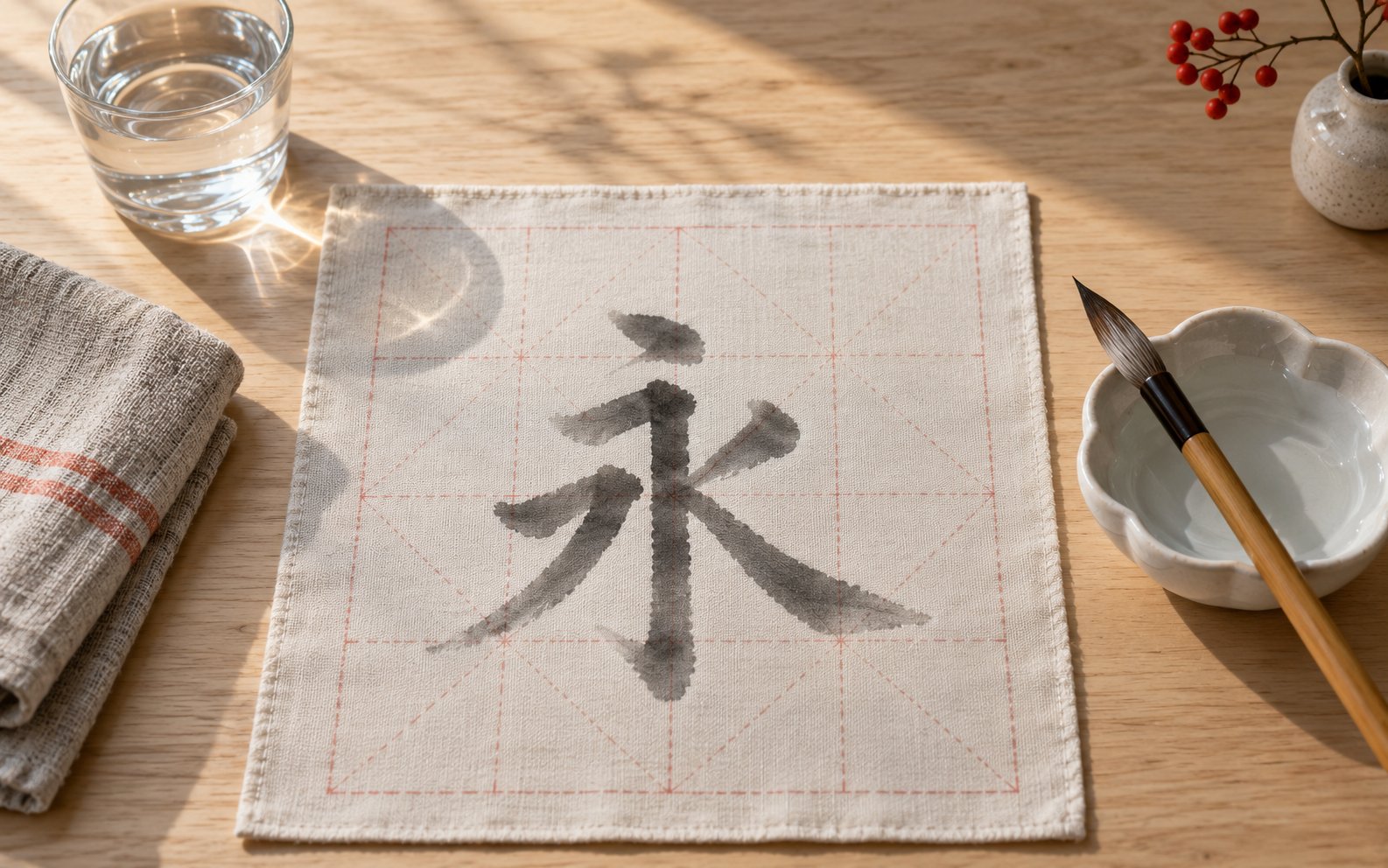
By K. YamaUpdated:Brush practice with nothing but water: no ink, no stains, no waste. A Japanese calligrapher on the Buddha Board, water-writing cloths and water brushes, and which one actually improves your shodō.
Continue reading → -
Best Japanese Calligraphy Set for Kids (2026)
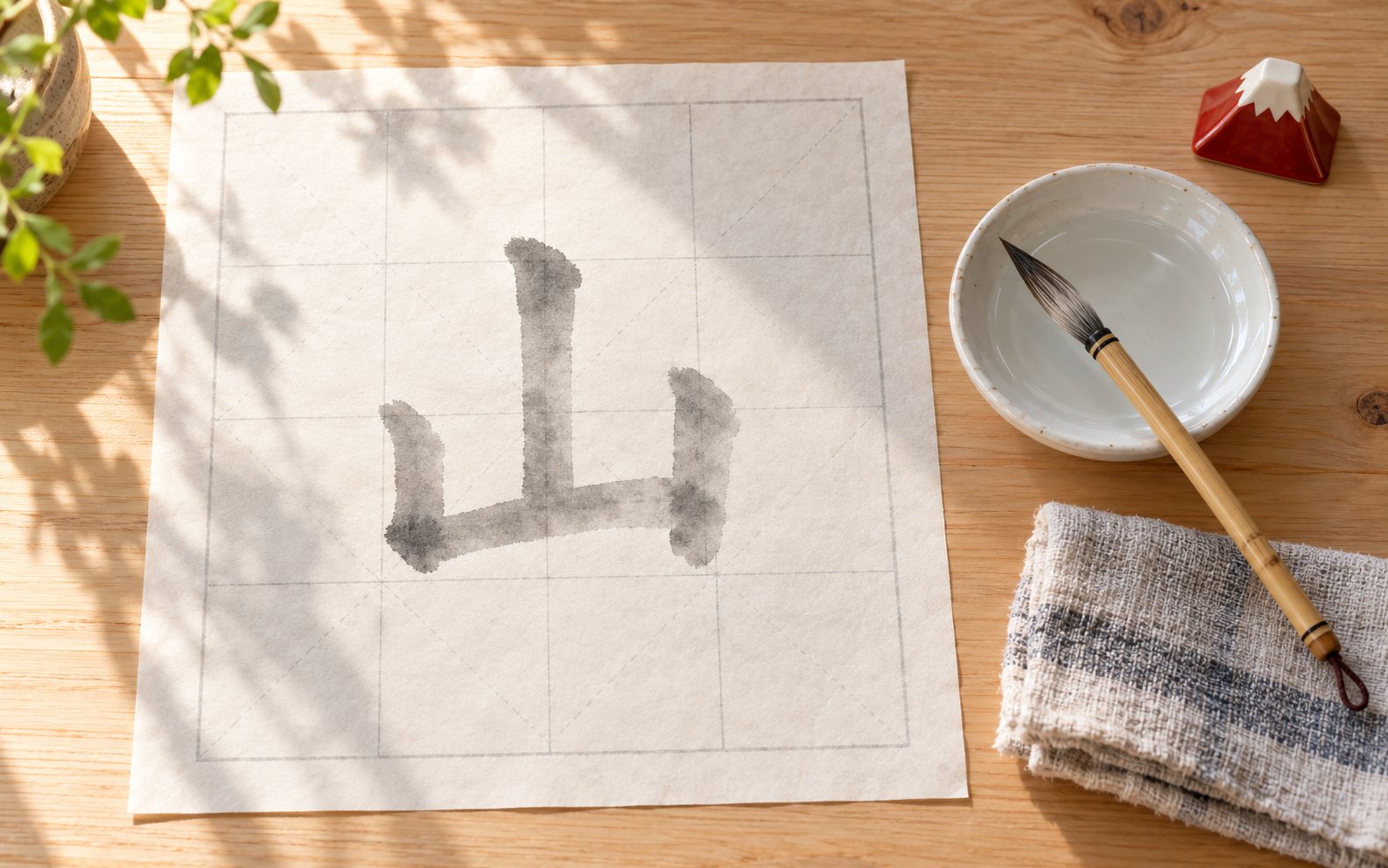
By K. YamaUpdated:A Japanese calligrapher on the calligraphy sets that actually work for children — water-writing kits for under-8s, real ink sets for 8+, and what to avoid.
Continue reading → -
A Daily Calligraphy Practice Routine That Actually Sticks
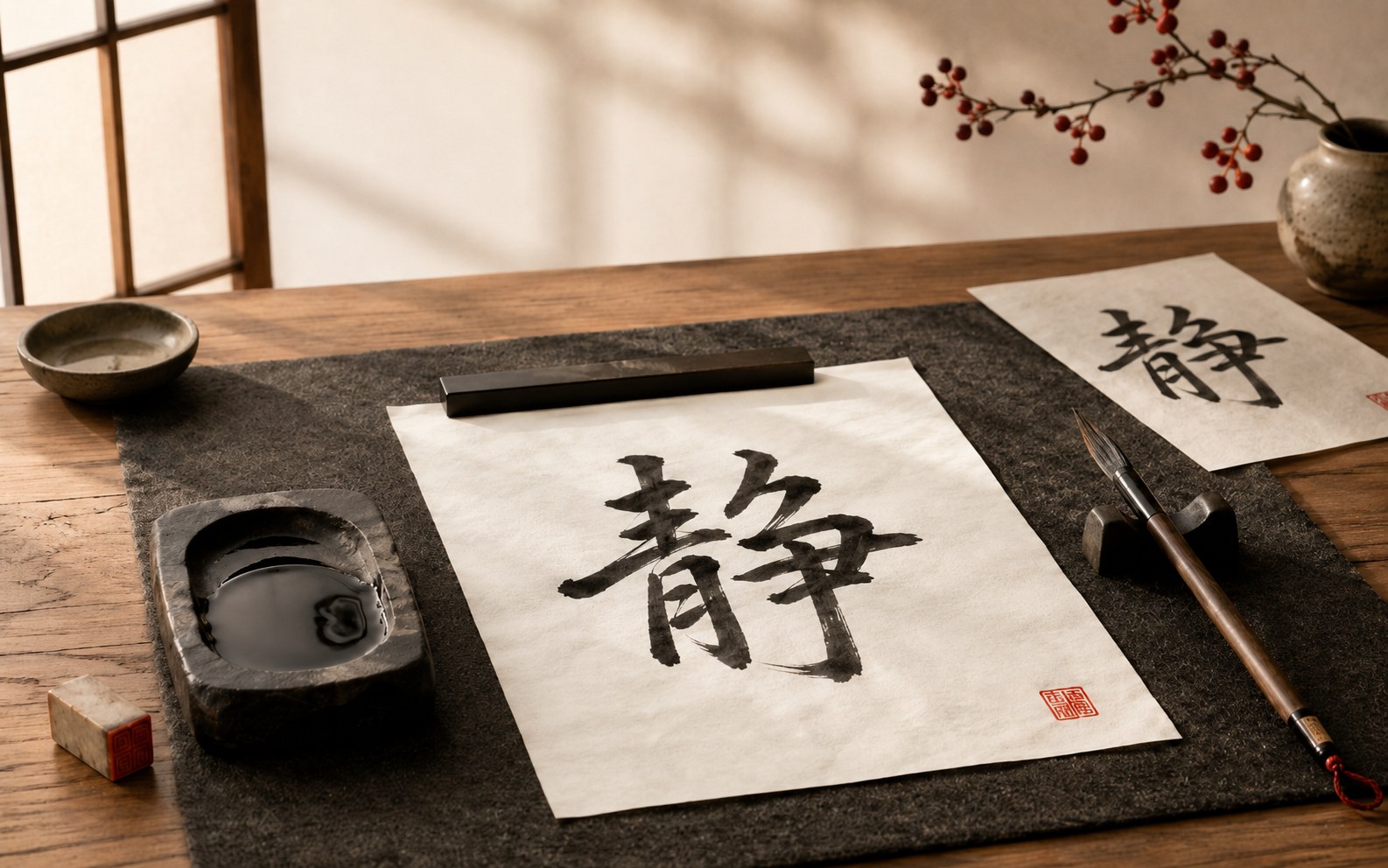
By K. YamaUpdated:Twenty minutes a day beats three hours on Sunday. A Japanese calligrapher's honest daily shodō practice routine — the setup, the warm-up, and what to actually do.
Continue reading → -
Best Calligraphy Felt Mat and Paperweight (2026)
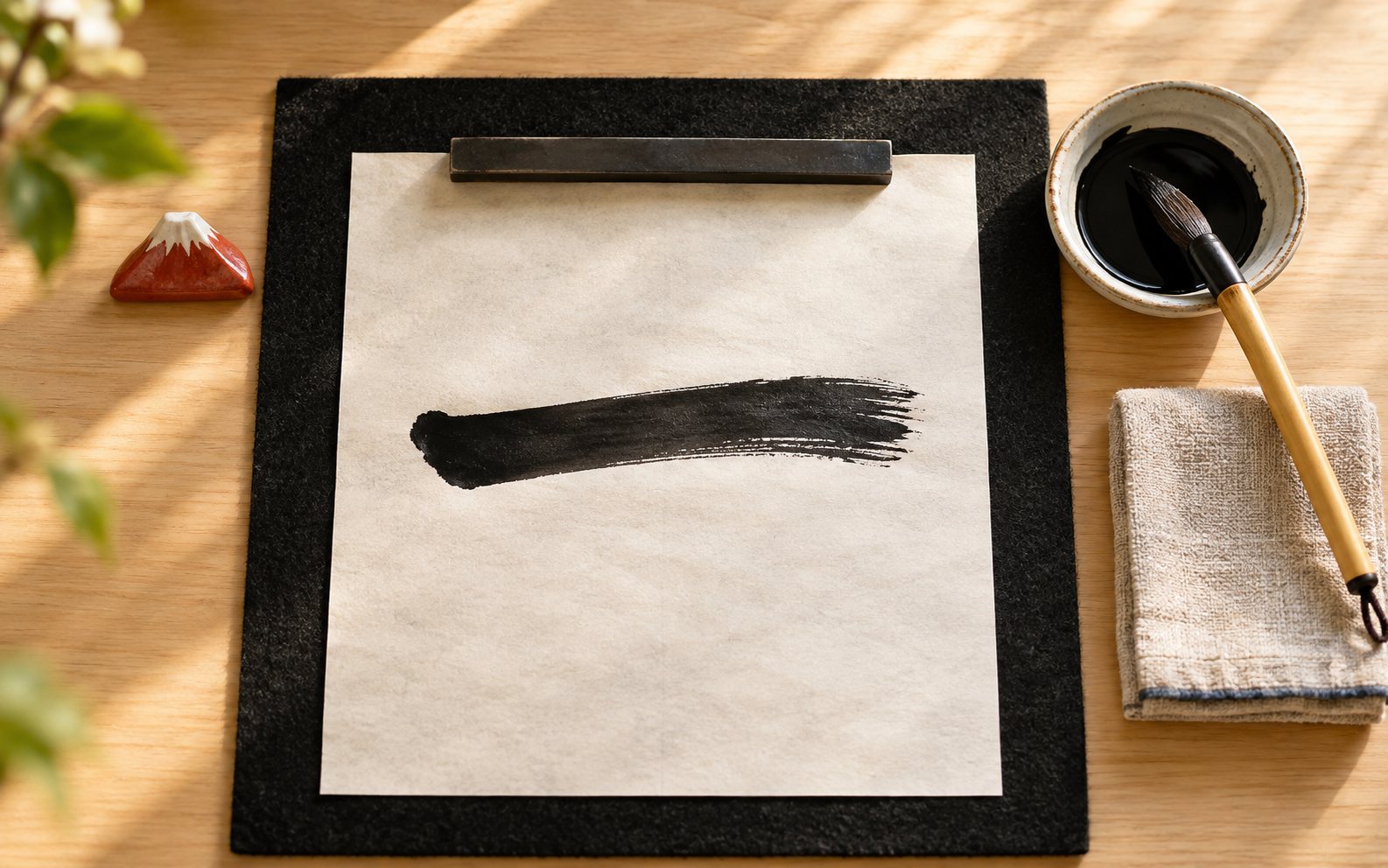
By K. YamaUpdated:The two cheapest tools in Japanese calligraphy are the two most often skipped. A calligrapher on which felt mat (shitajiki) and paperweight (bunchin) to buy.
Continue reading → -
Best Japanese Brush Pens for Calligraphy (2026)
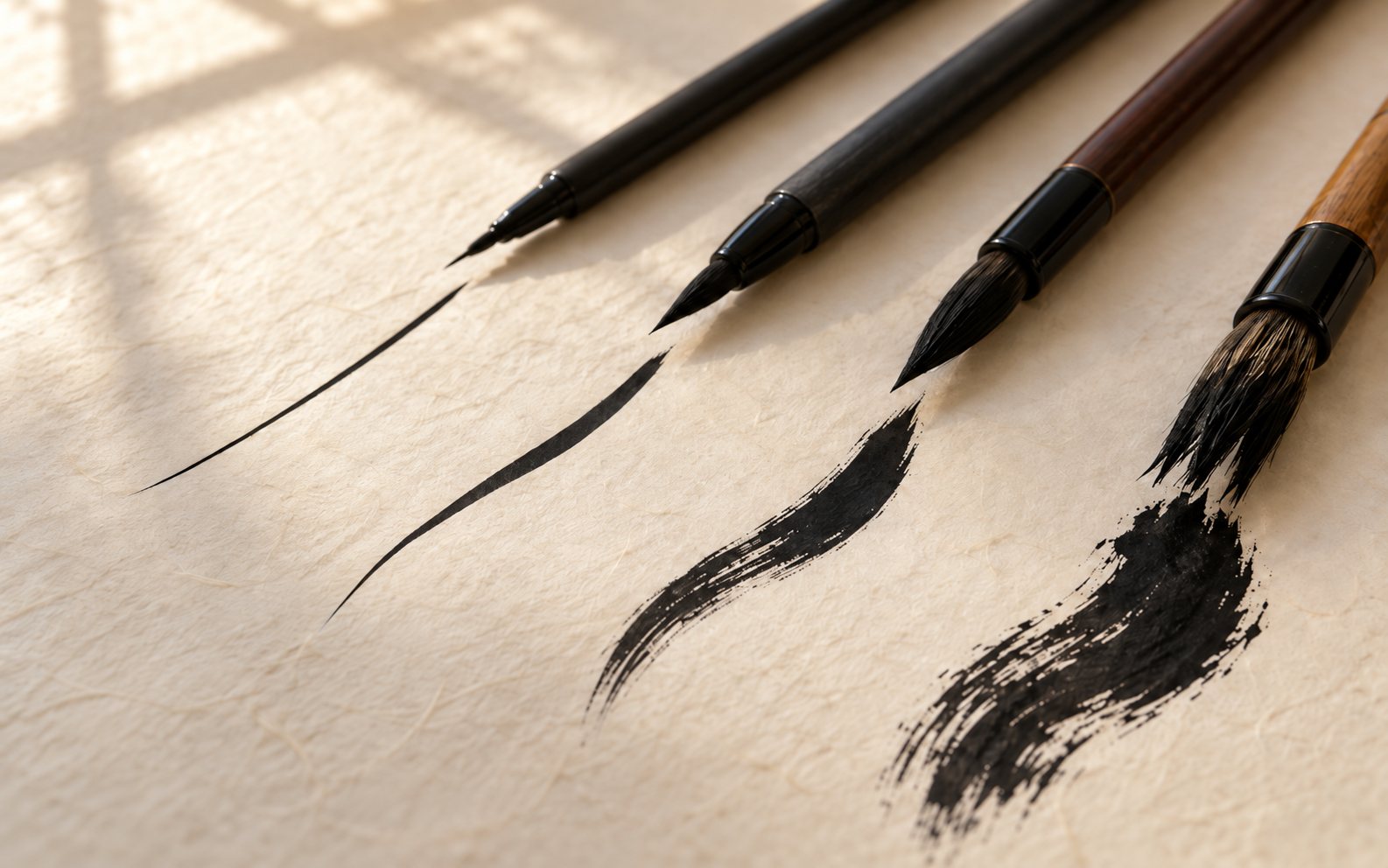
By K. YamaUpdated:A Japanese calligrapher compares the four brush pens (fude pen) actually worth buying — Tombow, Pentel, Kuretake — and explains what a brush pen can and can't teach you.
Continue reading → -
Best Japanese Writing Practice Books (2026)
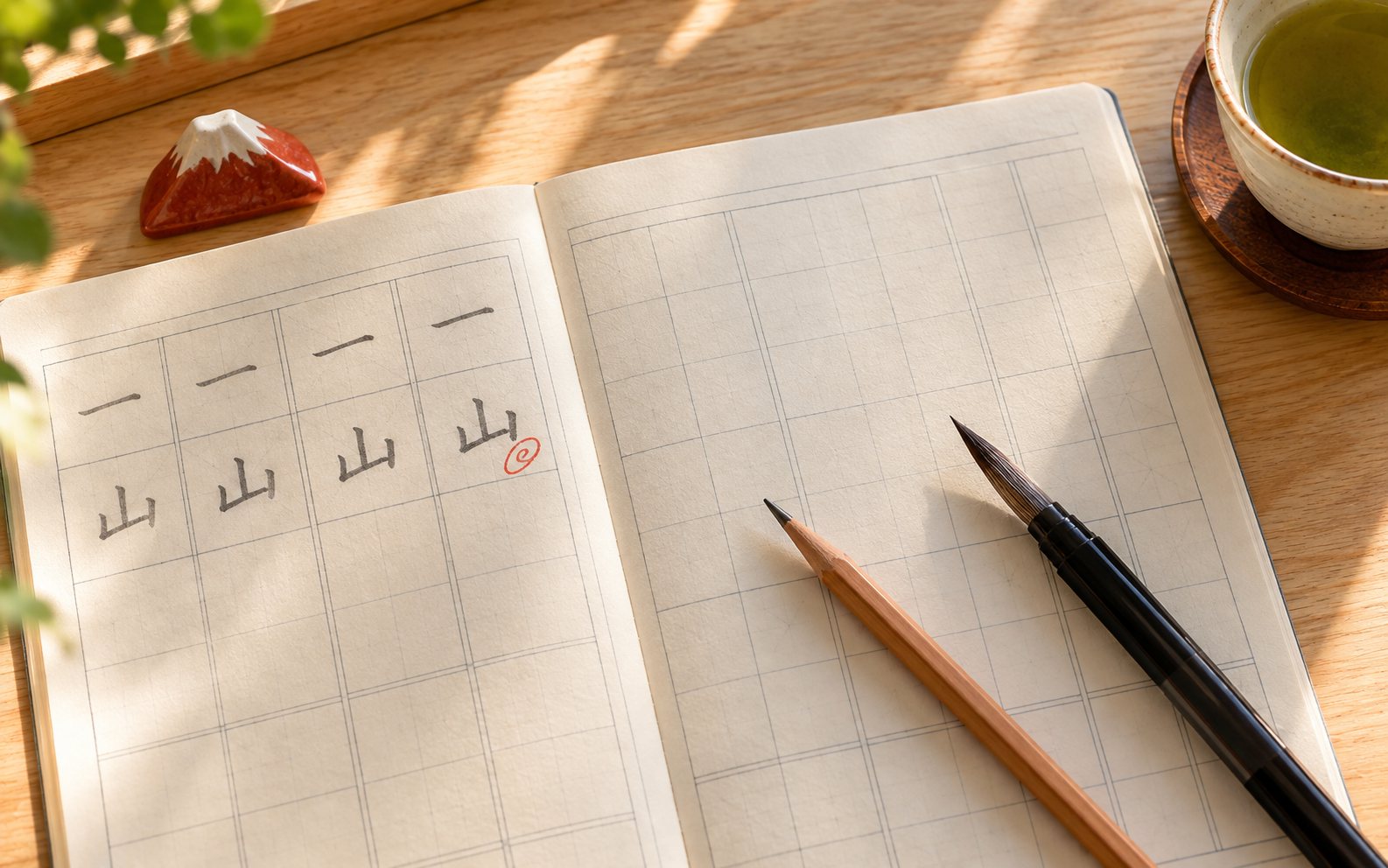
By K. YamaUpdated:Genkōyōshi notebooks, kana and kanji workbooks, and one brush-calligraphy manual — a Japanese calligrapher's picks for practising Japanese handwriting on paper.
Continue reading → -
Kanji Meanings for Calligraphy: 42 Characters Explained
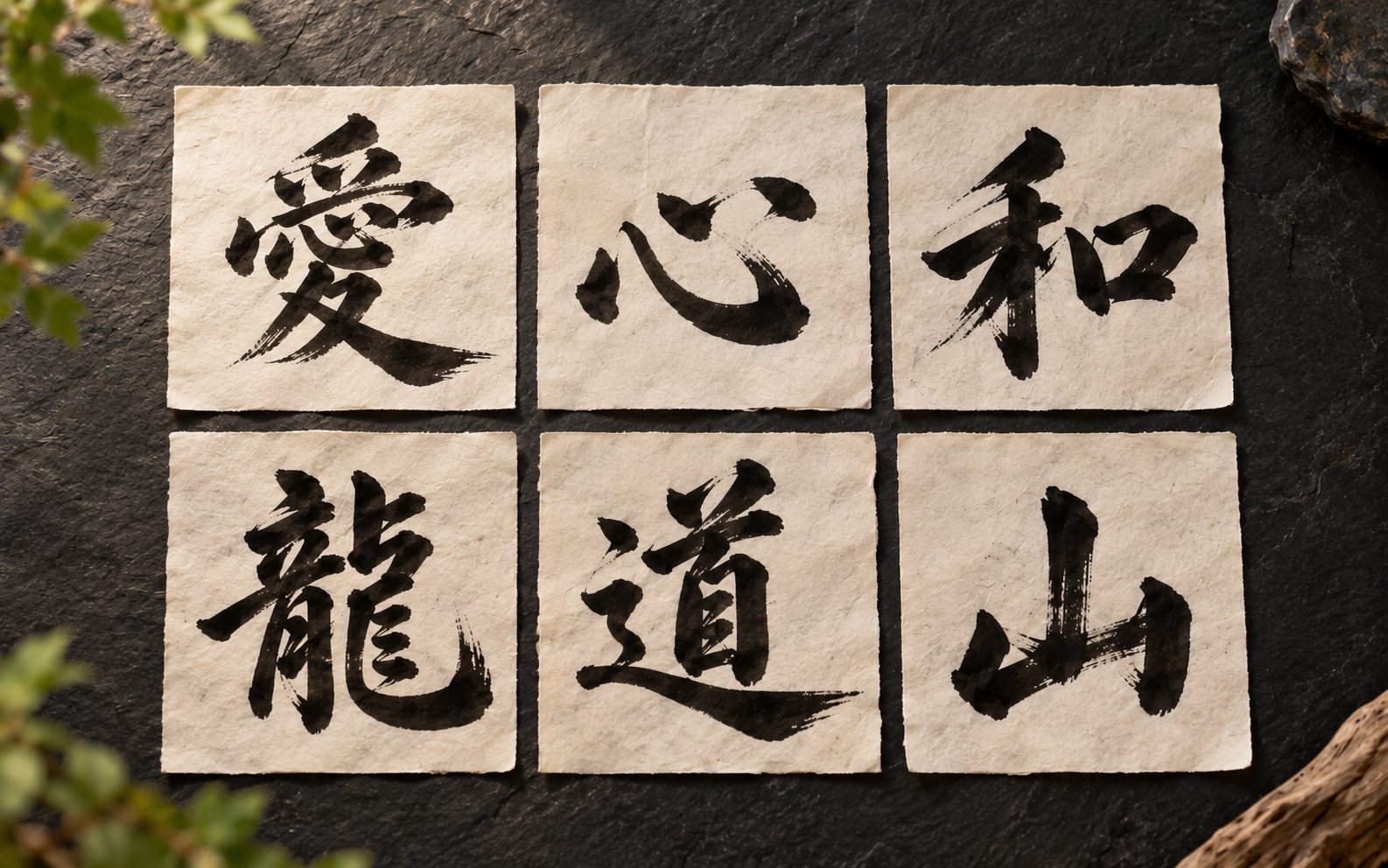
By K. YamaUpdated:Every kanji in our single-character series, grouped by theme — nature, virtues, Zen, the warrior — with its real meaning and a link to the full guide on how to write it.
Continue reading → -
Best Blank Hanging Scrolls for Calligraphy (2026): Hang Your Own Kakejiku
By K. YamaUpdated:Your best character deserves better than a drawer. A Japanese calligrapher on the blank hanging scrolls worth buying, how to write on one without ruining it, and how to hang it.
Continue reading → -
How to Read a Japanese Calligraphy Scroll (and Its Red Seals)
By K. YamaUpdated:A hanging scroll reads top-to-bottom and right-to-left, and ends in red. How to read a Japanese calligraphy scroll, and what those vermillion seals actually mean.
Continue reading →