Posts
All the articles I've posted.
-
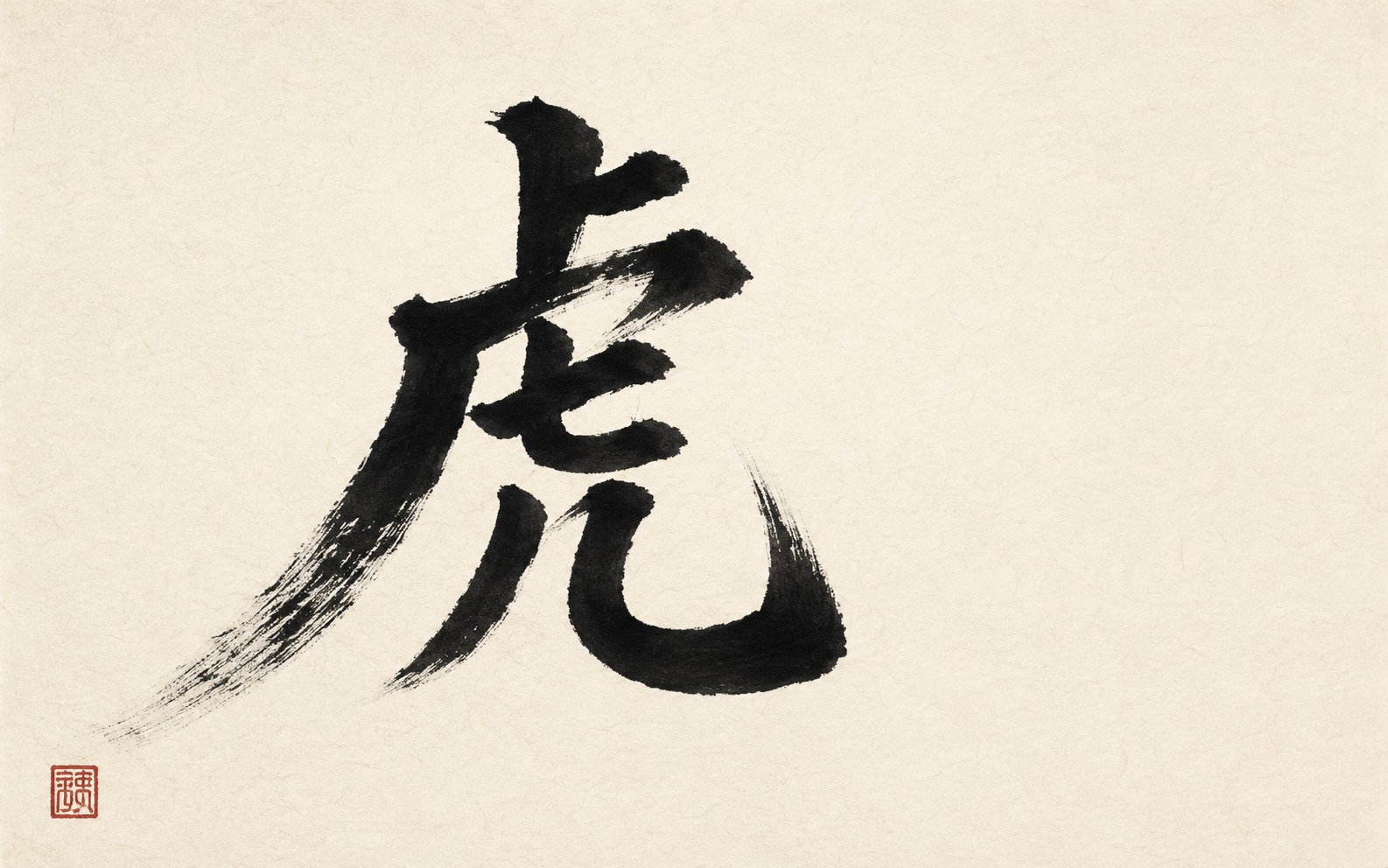
Tiger Kanji (虎): Meaning, the Dragon-Tiger Pair, and How to Write It
By K. YamaUpdated:虎 (tora) means tiger: courage, protection, and the dragon's eternal partner in art and tattoo. Meaning, the 龍虎 pairing, and how to write it.
Continue reading → -
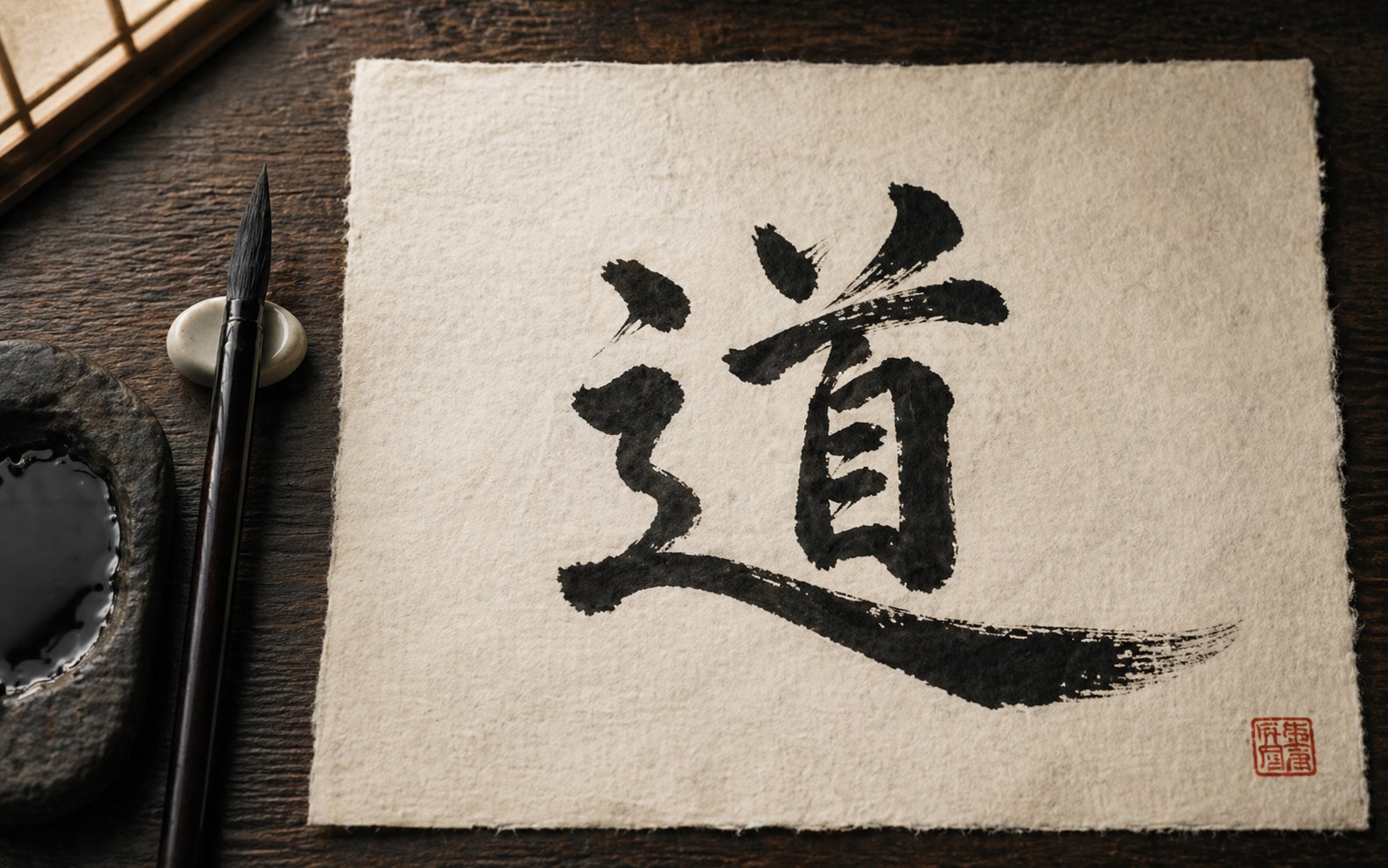
Way Kanji (道): Meaning, Stroke Order & How to Write It
By K. YamaUpdated:The kanji 道 (dō) ends karate, judo, aikido, and shodō alike. What 'the way' really means in Japanese, and how to write the character that names a lifetime.
Continue reading → -
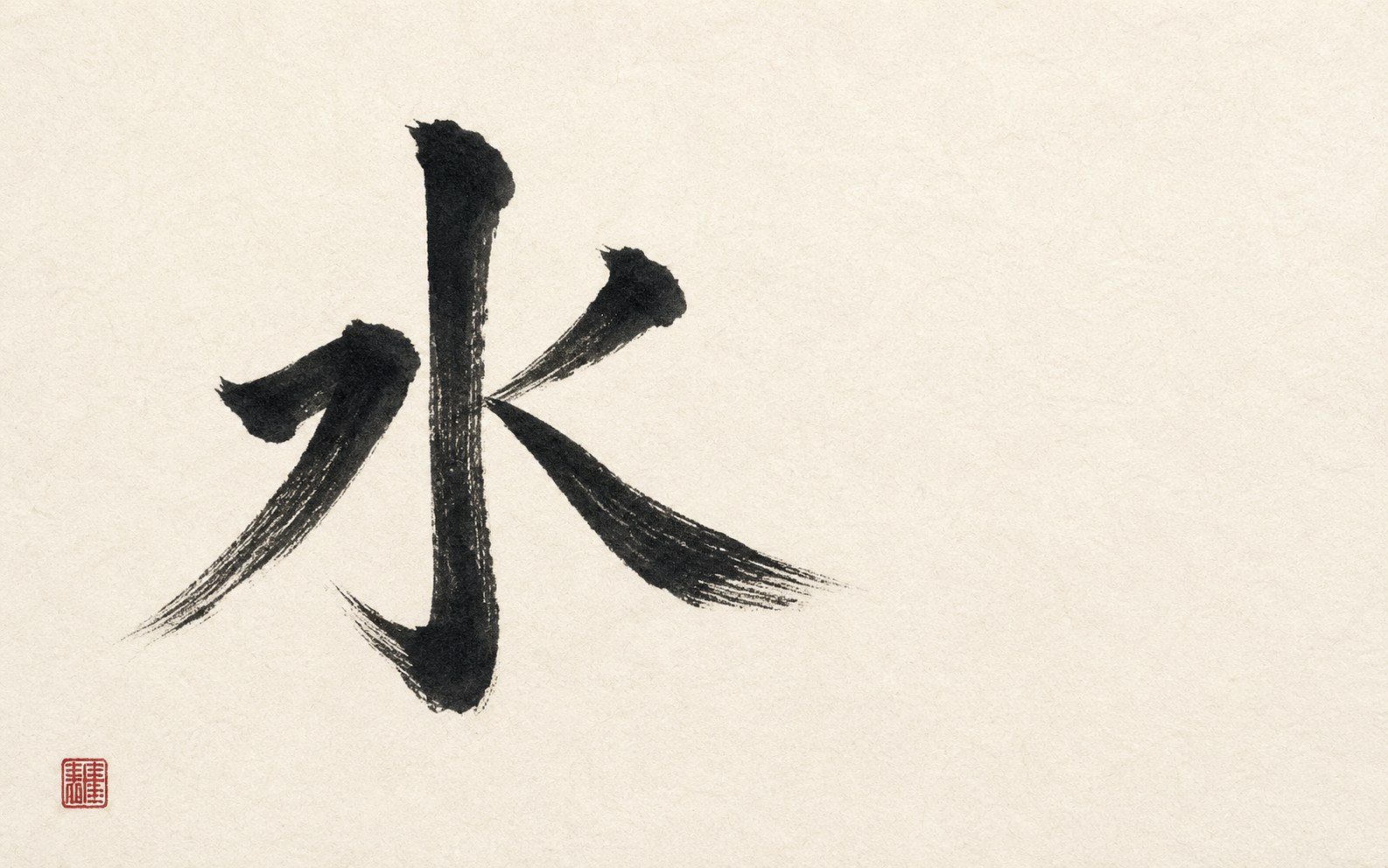
Water Kanji (水): Meaning, the Five Elements, and How to Write It
By K. YamaUpdated:The kanji 水 (mizu) means water: a four-stroke picture of a flowing stream, and one half of every drop of sumi ink. Meaning, philosophy, and brushwork.
Continue reading → -
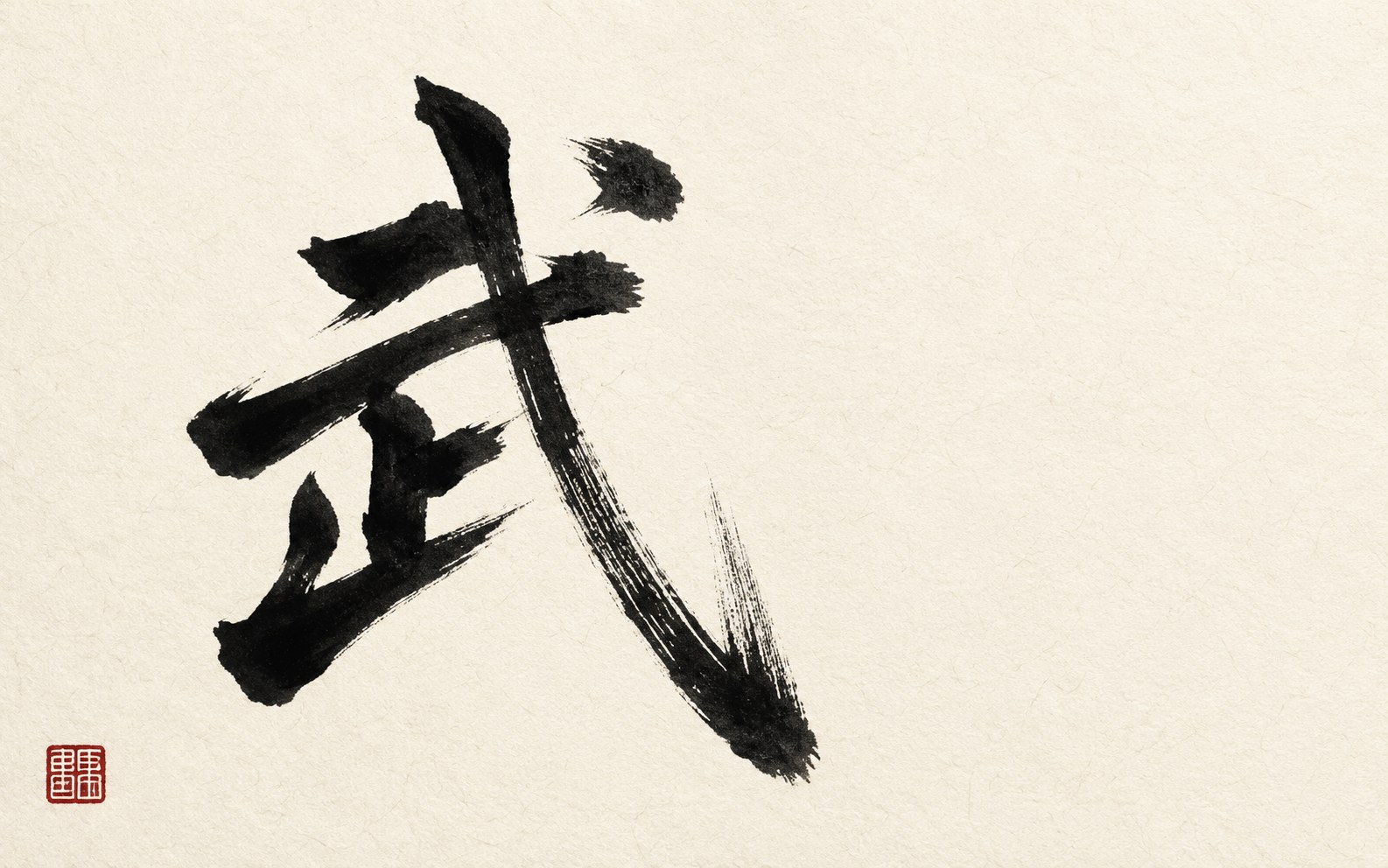
Warrior Kanji (武): Meaning, Origin, and How to Write It
By K. YamaUpdated:武 is the real 'warrior' kanji — the bu of bushidō and budō — and it may mean 'to stop the spear.' Its two readings of power, and how to write it.
Continue reading → -
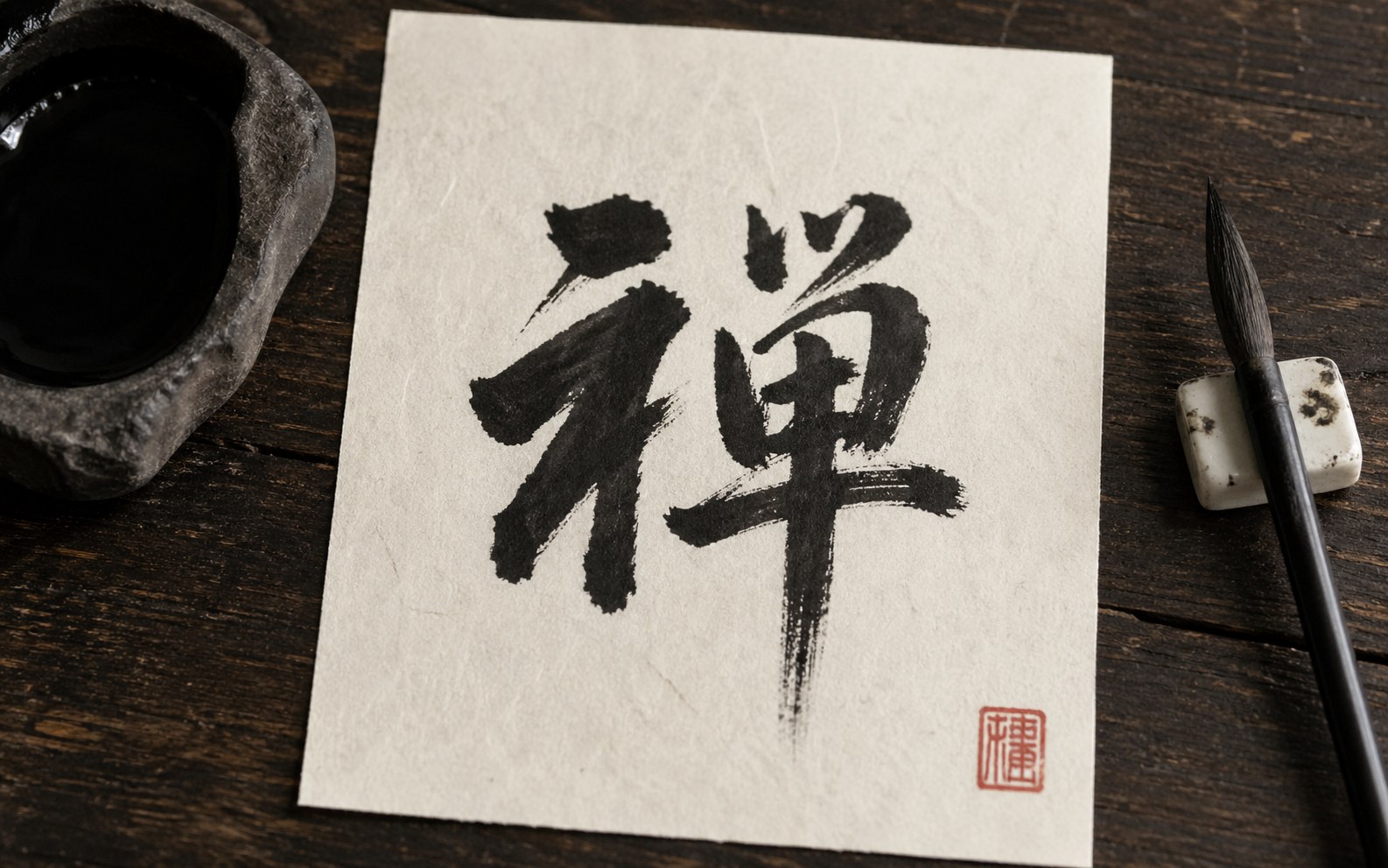
Zen Kanji (禅): Real Meaning, Origin, and How to Write It
By K. YamaUpdated:Zen kanji (禅) means far more than 'calm' — it names a school, a practice, and a centuries-long argument about the mind. Real meaning and how to write it.
Continue reading → -
Ikebana (生け花): The Japanese Art of Flowers and Empty Space
By K. YamaUpdated:Ikebana isn't a fancy bouquet. It's the Japanese 'way of flowers,' built on line, asymmetry, and empty space — and the emptiness is the point.
Continue reading → -
Iki (粋): Japan's Edo-Born 'Cool' — and Why It's Not Shibui
By K. YamaUpdated:Iki is Japan's aesthetic of understated cool — flirtatious, proud, and detached all at once. Born in Edo, analyzed by a philosopher. Not the same as shibui.
Continue reading → -
Japanese Aesthetics Glossary: 14 Terms Every Japan Lover Should Know
By K. YamaUpdated:A clear, accurate glossary of 14 Japanese aesthetic terms — wabi-sabi, ikigai, ma, yūgen, mono no aware, kintsugi, and more — with the myths corrected.
Continue reading → -
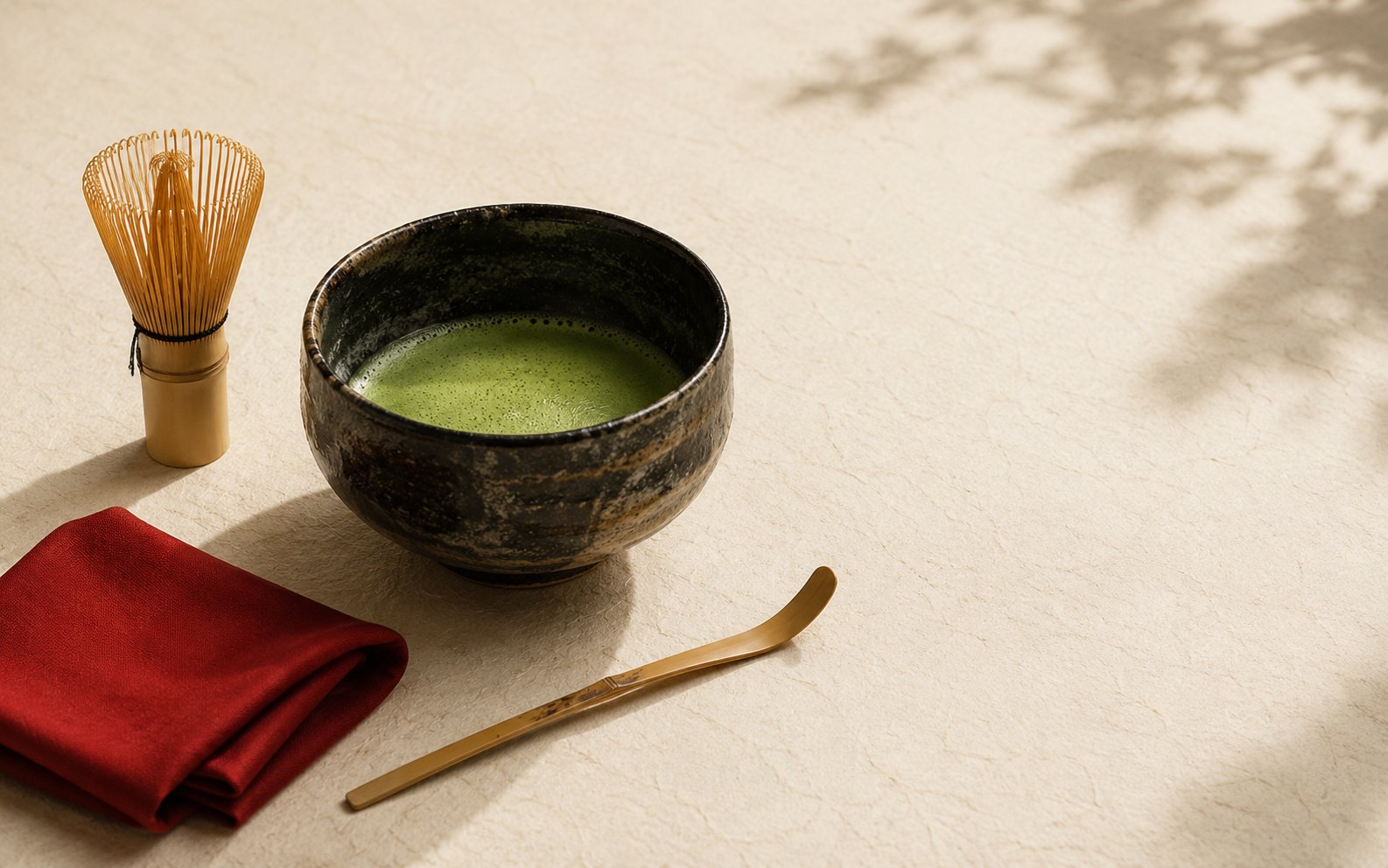
Japanese Tea Ceremony (茶道): What Sadō Is Really About
By K. YamaThe Japanese tea ceremony (sadō) was never really about the tea. What chanoyu actually is: a discipline of hospitality, impermanence, and one unrepeatable meeting.
Continue reading → -
Komorebi (木漏れ日): The Japanese Word for Sunlight Through Trees
By K. YamaUpdated:Komorebi is the Japanese word for sunlight filtering through leaves — not a deep philosophy, just a precise name for a fleeting thing worth noticing.
Continue reading →