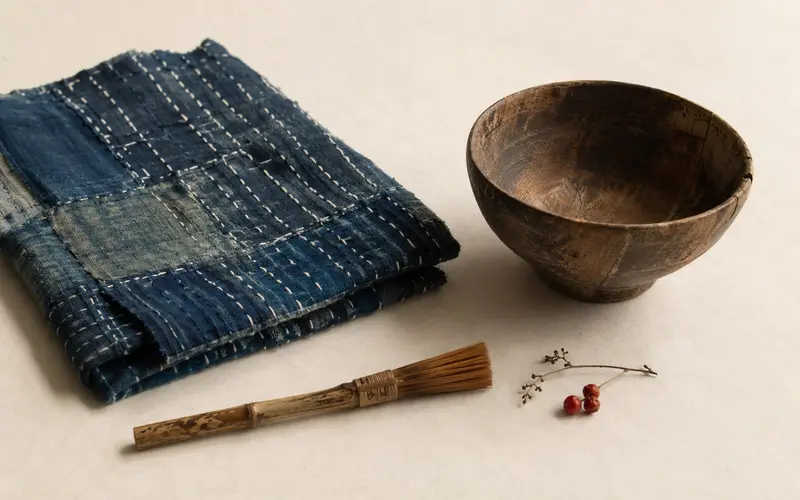
Japanese Culture
Iki (粋) in Kanji: Edo Cool, and How to Write It
Iki, 粋, is Edo's understated cool. What the one kanji means (it is also read sui, 'essence'), how Kuki Shūzō defined iki, and how to brush 粋 well.
7 articles with this tag.
Iki, 粋, is Edo's understated cool. What the one kanji means (it is also read sui, 'essence'), how Kuki Shūzō defined iki, and how to brush 粋 well.
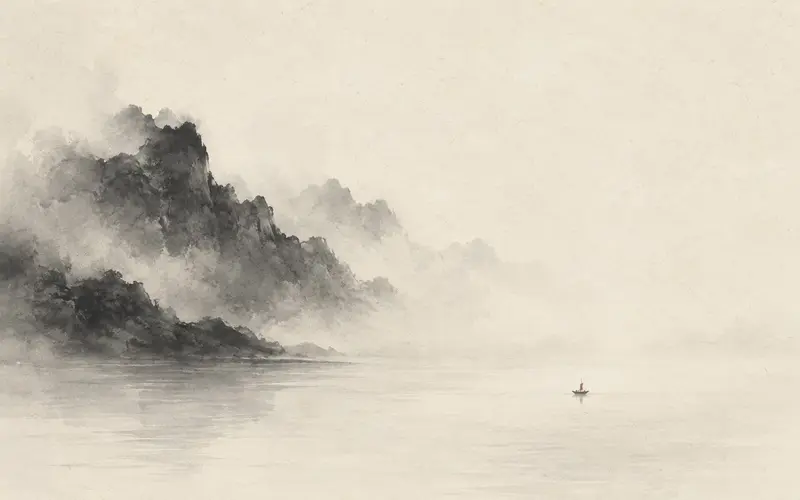
Yūgen, 幽玄, is the beauty of depth that is suggested, not shown. What its two dark kanji mean, how ink tones express it, and how to brush the word.
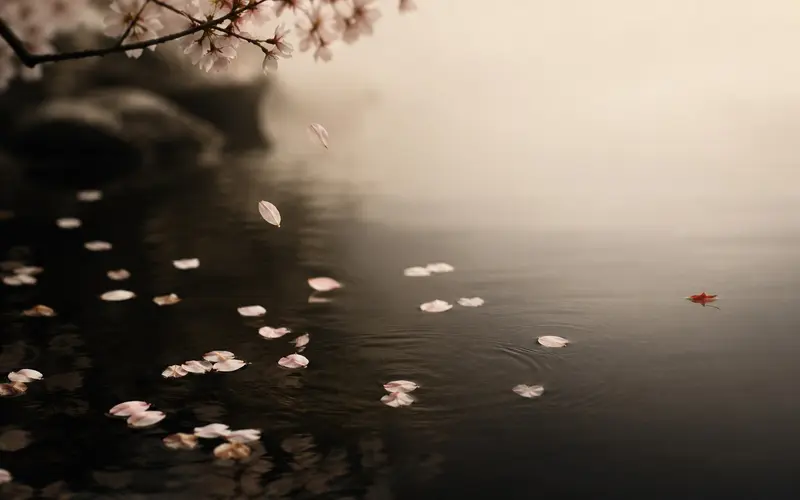
Mono no aware is the bittersweet feeling of things passing. What its characters say, why the old kana spelling matters, and how calligraphy makes the idea visible.
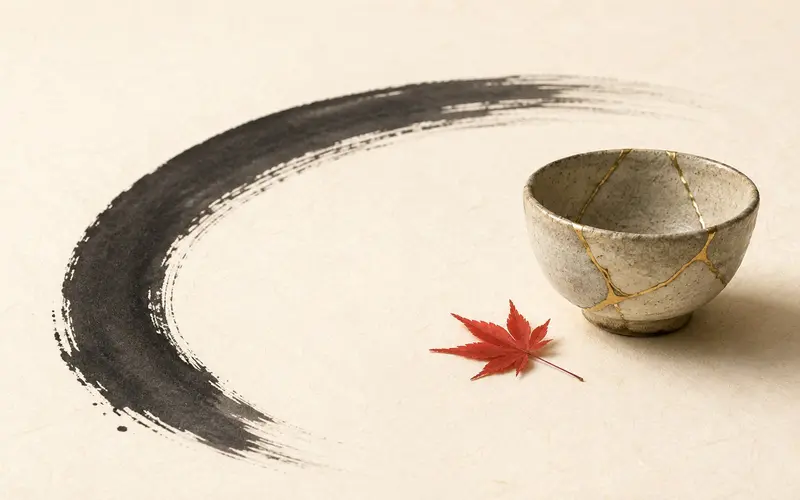
A clear, accurate glossary of 14 Japanese aesthetic terms — wabi-sabi, ikigai, ma, yūgen, mono no aware, kintsugi, and more — with the myths corrected.
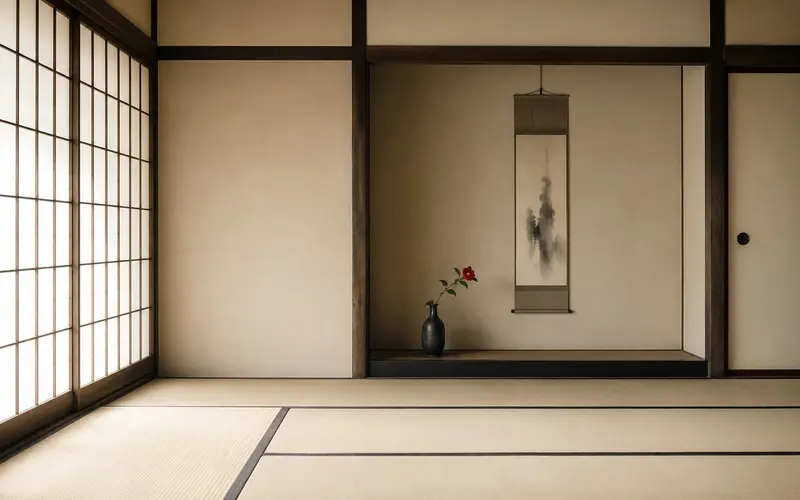
Ma (間) is Japan's meaningful emptiness in space AND time — not 'negative space' but the charged interval holding music, rooms, and the page together.
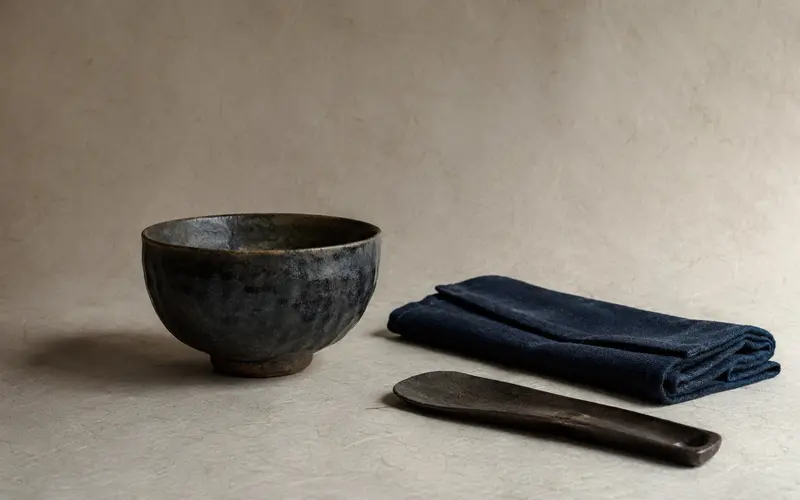
Shibui is Japan's understated, refined beauty — related to wabi-sabi but not the same thing. The difference, and why the word began as a sour taste.
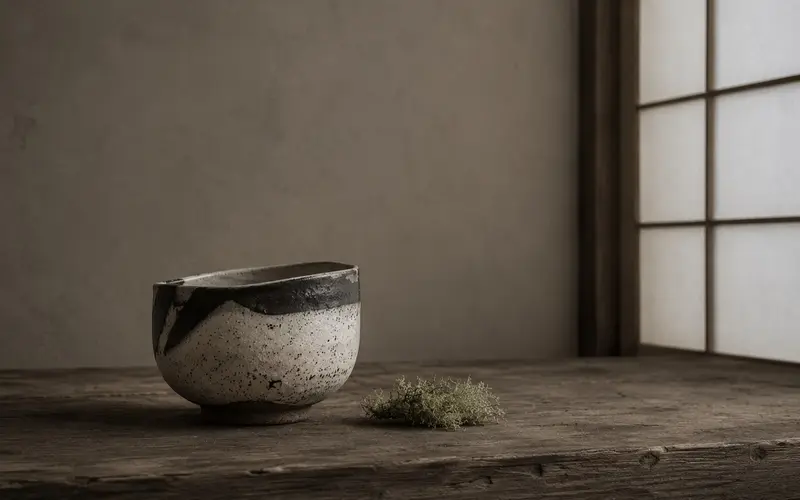
Wabi-sabi is Japan's aesthetic of imperfect, impermanent beauty — and the West mostly gets it wrong. What it really means, from tea room to brush.