Tag: culture
All the articles with the tag "culture".
-
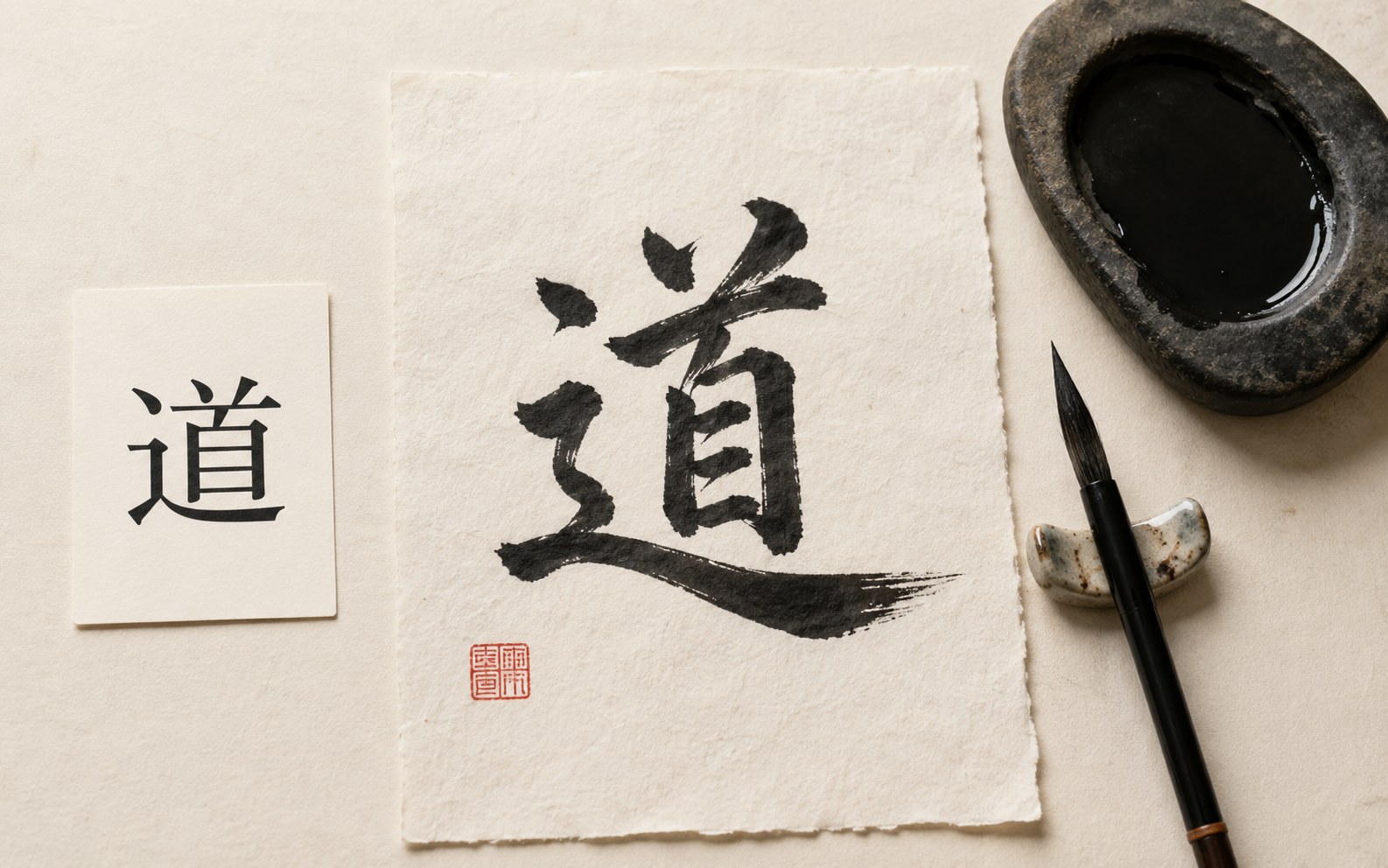
The Complete Guide to Kanji Tattoos: Get One Right (2026)
By K. YamaUpdated:Most kanji tattoos are subtly wrong in ways their owners never learn. A Japanese calligrapher's complete guide to choosing, writing, and getting a kanji tattoo right.
Continue reading → -
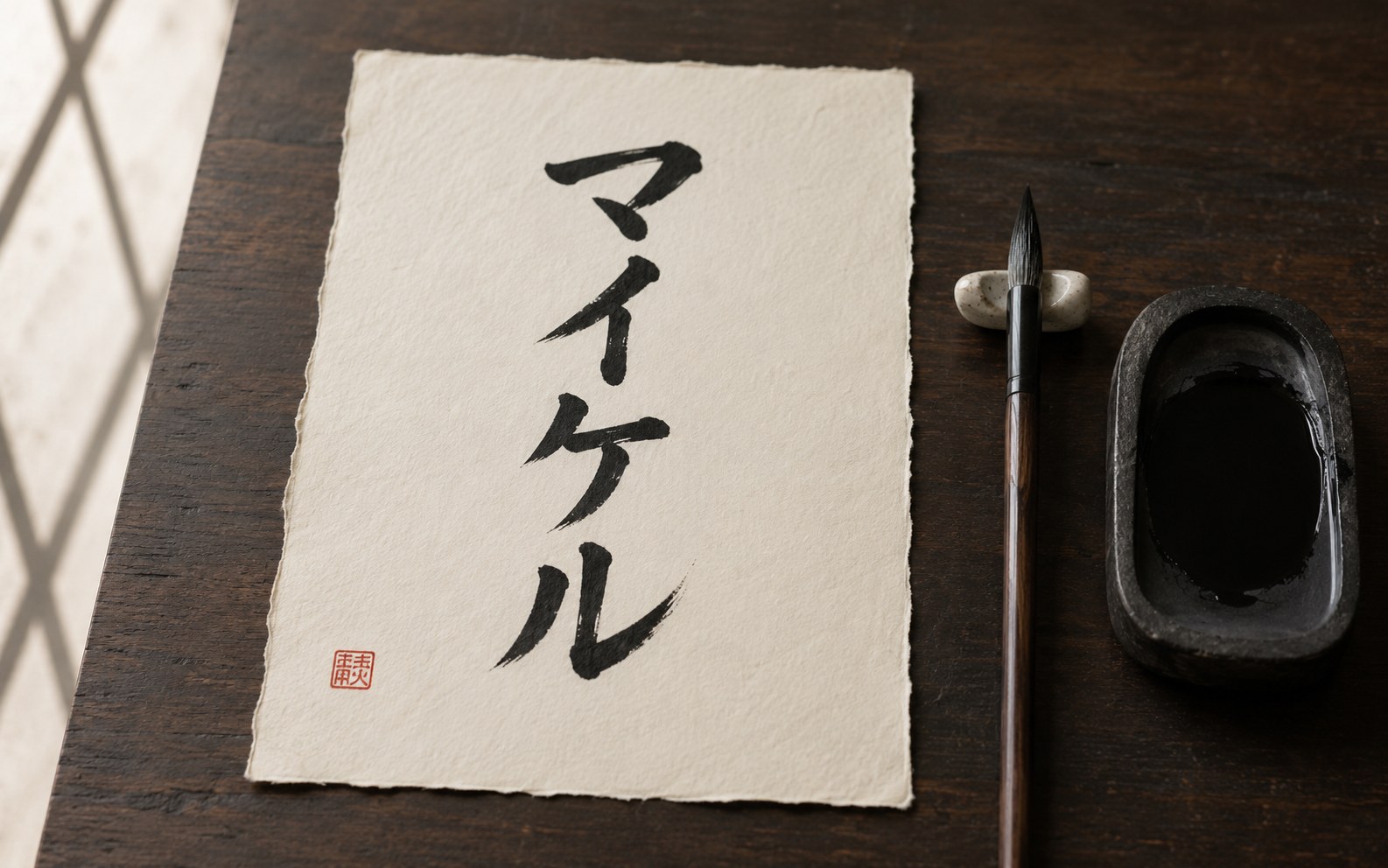
How to Write Your Name in Japanese (Katakana Guide)
By K. YamaUpdated:Your name in Japanese is written in katakana by sound, not kanji by meaning. How the conversion really works, and the mistakes that trip everyone up.
Continue reading → -
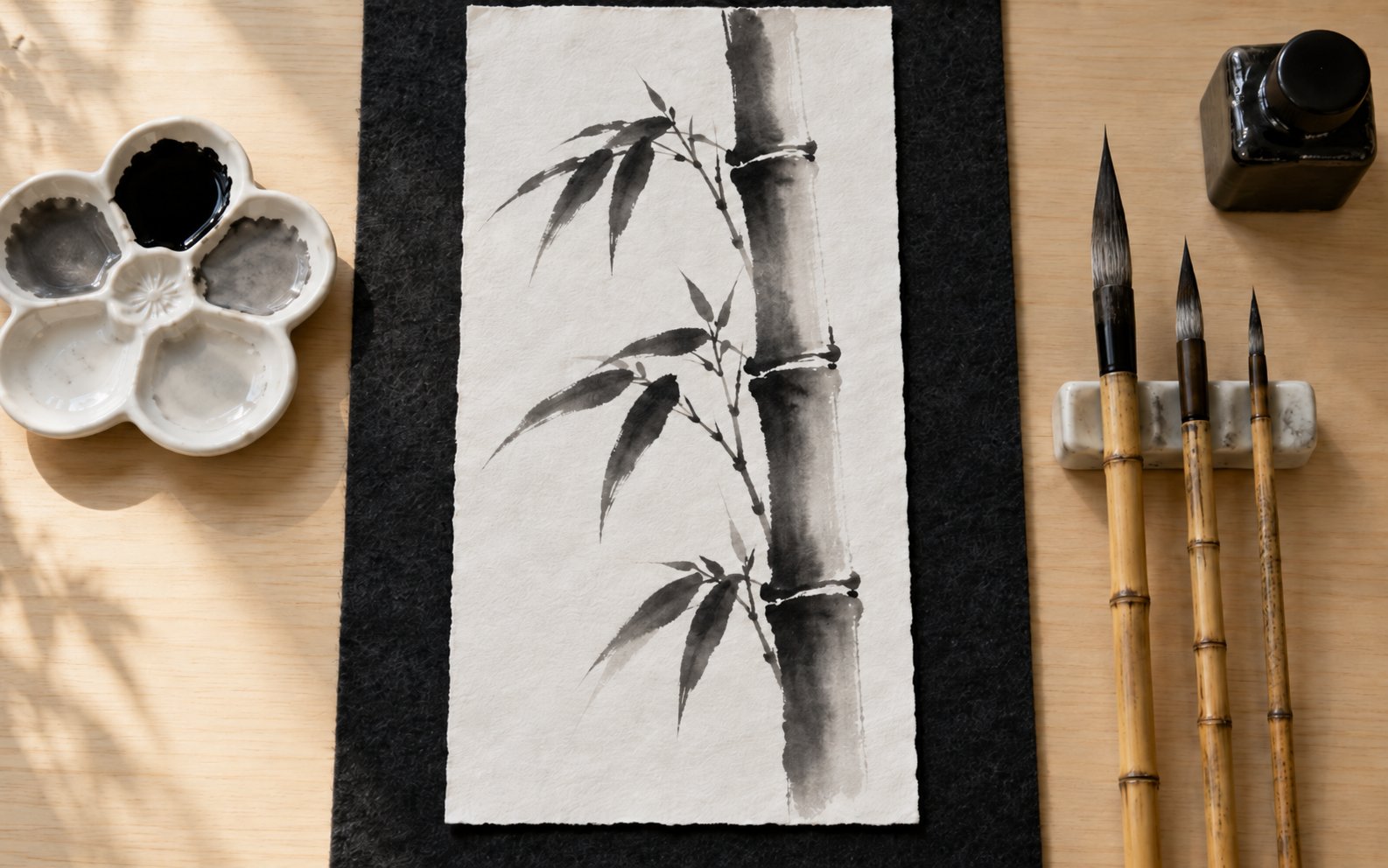
Best Sumi-e Starter Kit for Beginners (2026): Build Your Own From $46
By K. YamaUpdated:There is no good all-in-one sumi-e kit on Amazon, so build one. A Japanese calligrapher on the brushes, ink, palette, paper and book a beginner in Japanese ink painting actually needs.
Continue reading → -
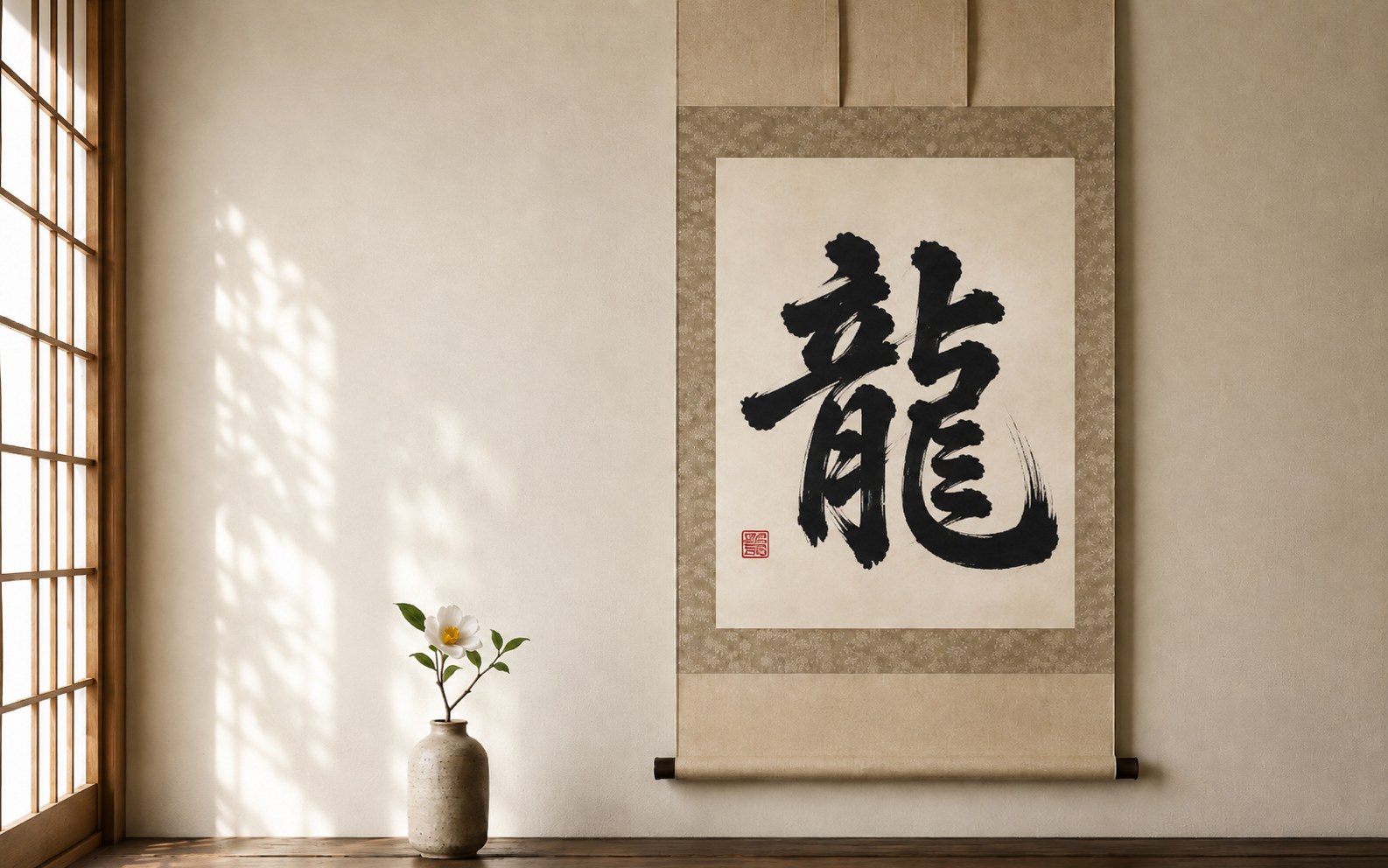
Best Japanese Calligraphy Wall Art: How to Buy It Right (2026)
By K. YamaUpdated:Most 'Japanese calligraphy' wall art is a computer font, sometimes with the wrong kanji. A calligrapher's guide to buying real, meaningful pieces for your wall.
Continue reading → -
Yūgen (幽玄): The Japanese Aesthetic of Suggested Depth
By K. YamaUpdated:Yūgen isn't a vague 'beauty of the universe.' It's Japan's precise aesthetic of suggested depth — born in court poetry, perfected on the Noh stage.
Continue reading → -
Best Japanese Stationery Gifts (2026): 15 Picks From $6 to $58
By K. YamaUpdated:Japanese stationery is the everyday luxury almost everyone loves. A Japanese calligrapher's 15 picks, from a $6 eraser to a leather Traveler's Notebook, plus four ready-made bundles.
Continue reading → -
Best Gifts for Japan Lovers: A Calligrapher's Honest Picks (2026)
By K. YamaUpdated:What to give someone who loves Japan — and what to skip. Honest, useful picks across calligraphy, tea, and craft, plus the tourist junk to avoid.
Continue reading → -
Best Japanese Calligraphy Gifts Under $50 (2026 Holiday Guide)
By K. YamaUpdated:Fifteen gifts a Japanese calligrapher would actually be glad to receive, every one under $50 and on Amazon: brush pens, ink stones, the one book, a kintsugi kit, and three bundles that make a complete present.
Continue reading → -
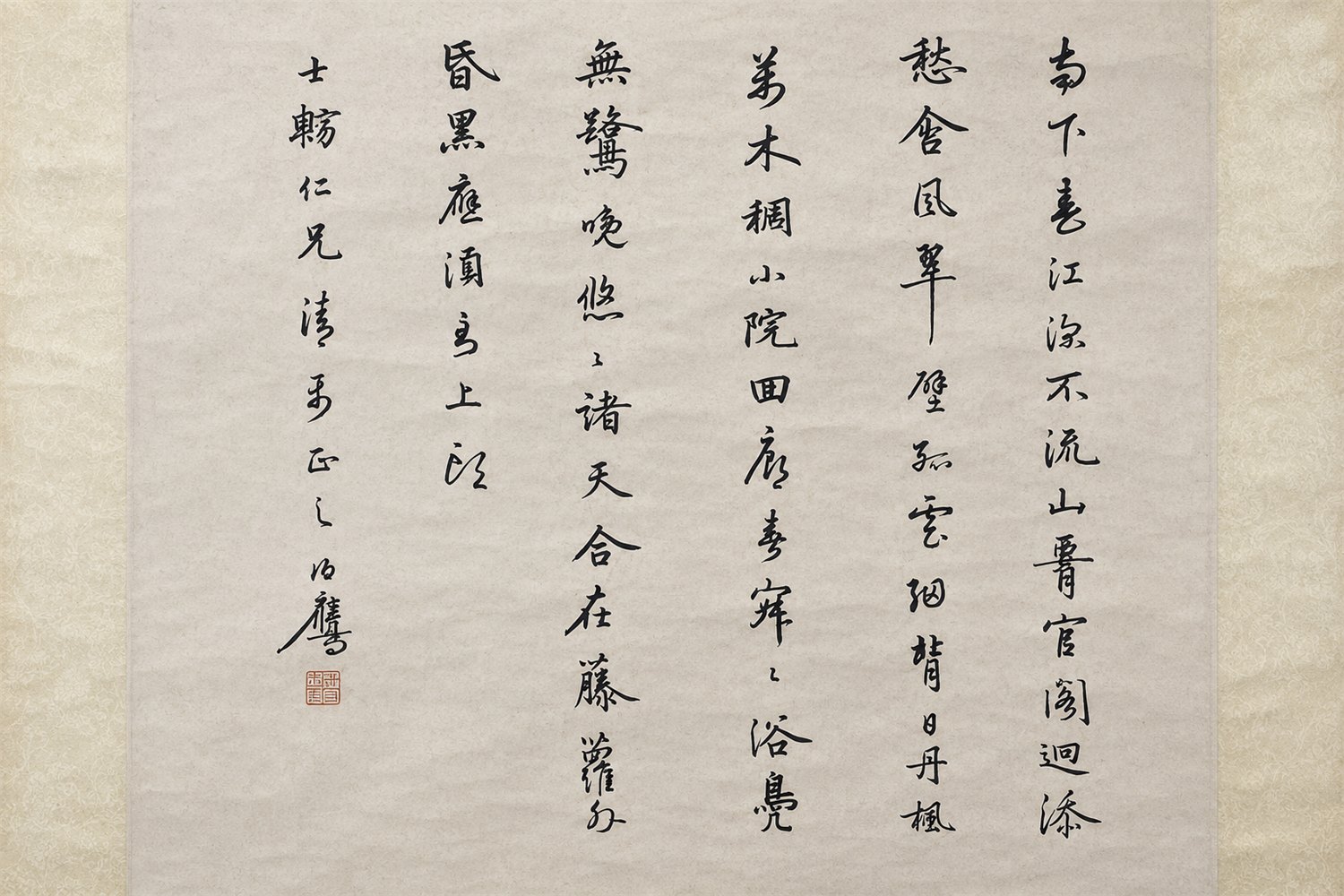
How to Read a Japanese Calligraphy Scroll (and Its Red Seals)
By K. YamaUpdated:A hanging scroll reads top-to-bottom and right-to-left, and ends in red. How to read a Japanese calligraphy scroll, and what those vermillion seals actually mean.
Continue reading → -
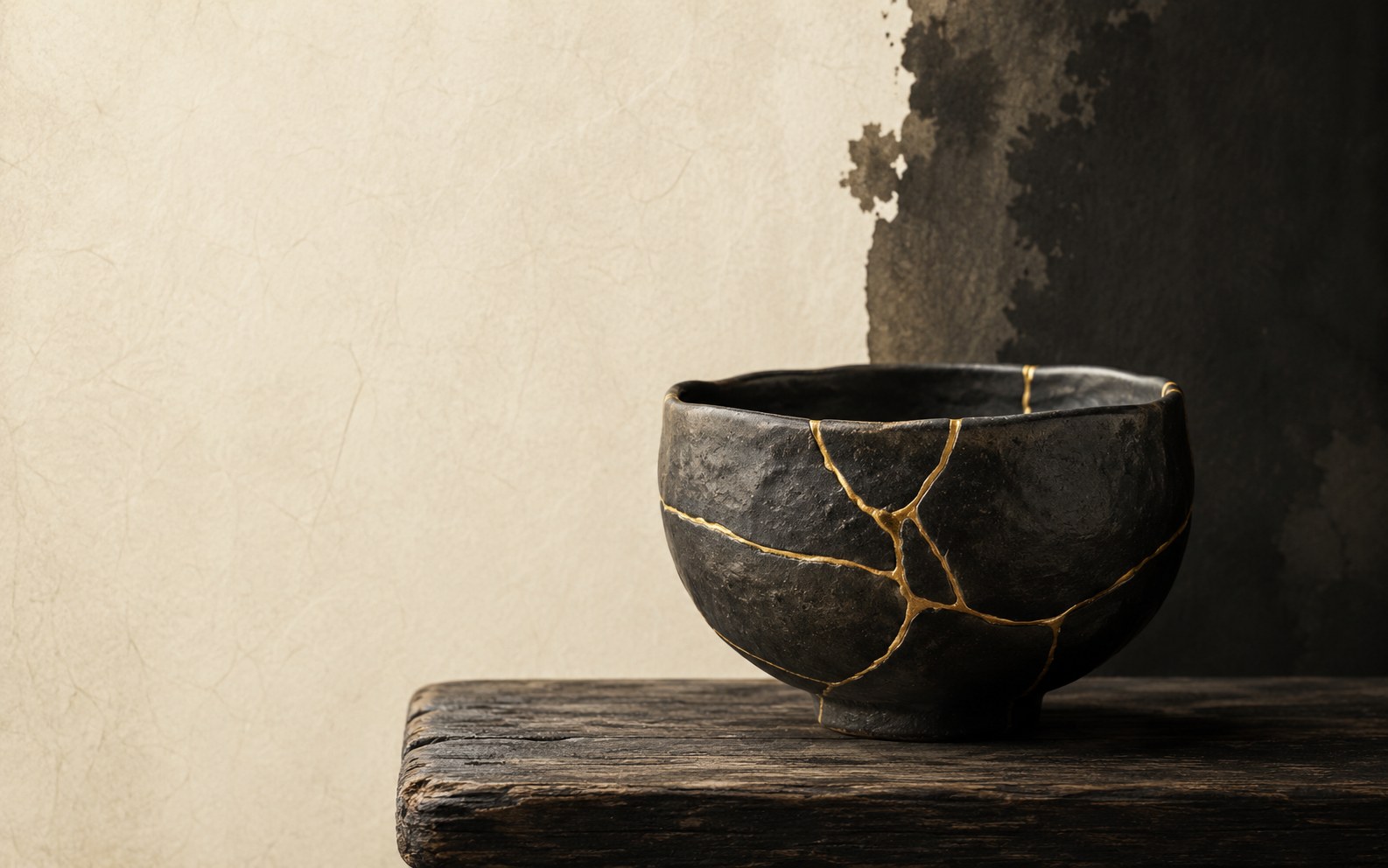
Kintsugi: The Japanese Art of Golden Repair (Not Gold Glue)
By K. YamaUpdated:Kintsugi is the Japanese art of repairing broken pottery with gold — slow lacquer craft, not gold glue. How it's really done, and what the seams mean.
Continue reading →