Tag: culture
All the articles with the tag "culture".
-
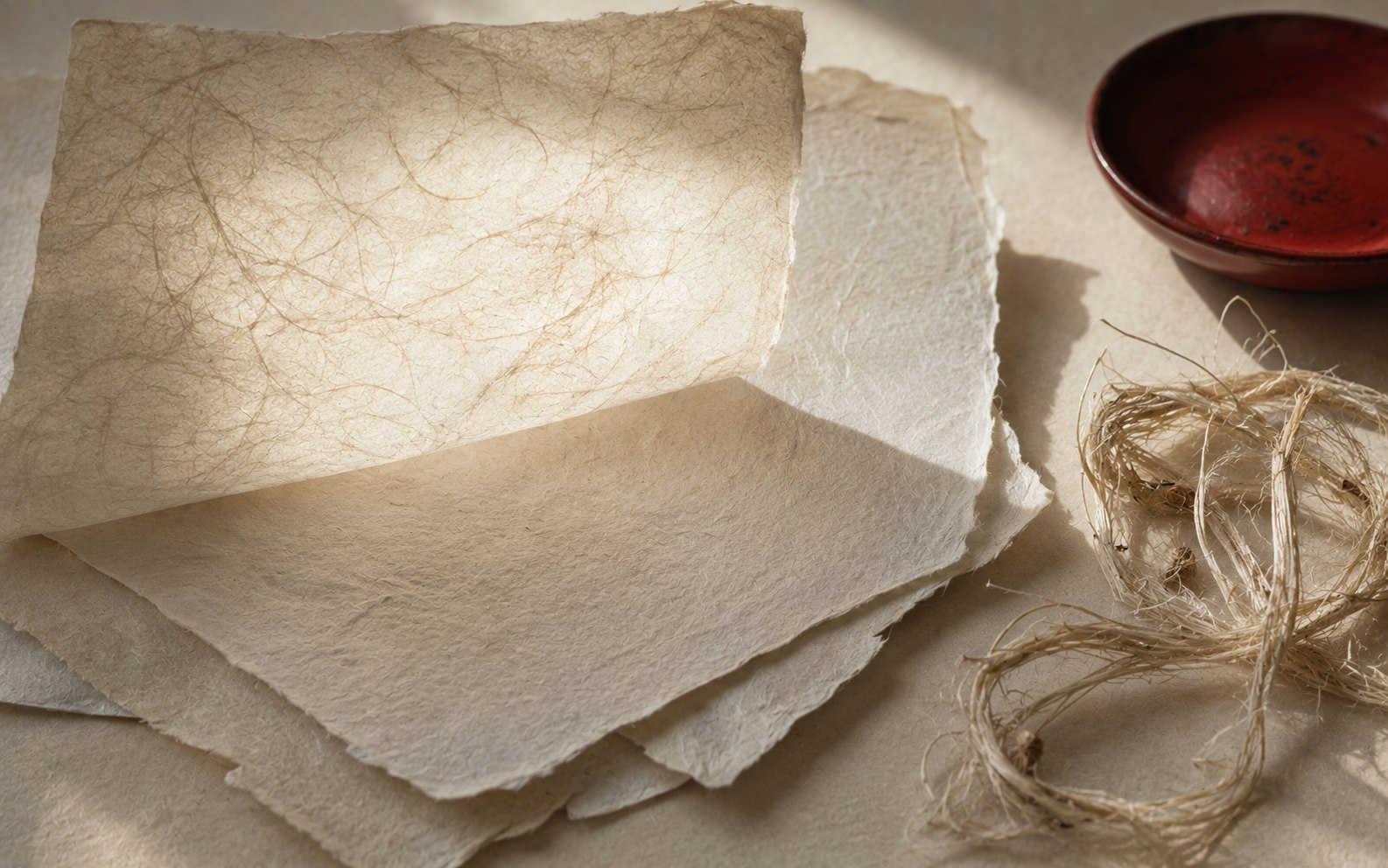
Washi (和紙): The Japanese Paper That Lasts a Thousand Years
By K. YamaWashi is made from shrub bark, not wood pulp, which is why it survives a thousand years. Why museums repair Western masterpieces with Japanese paper.
Continue reading → -
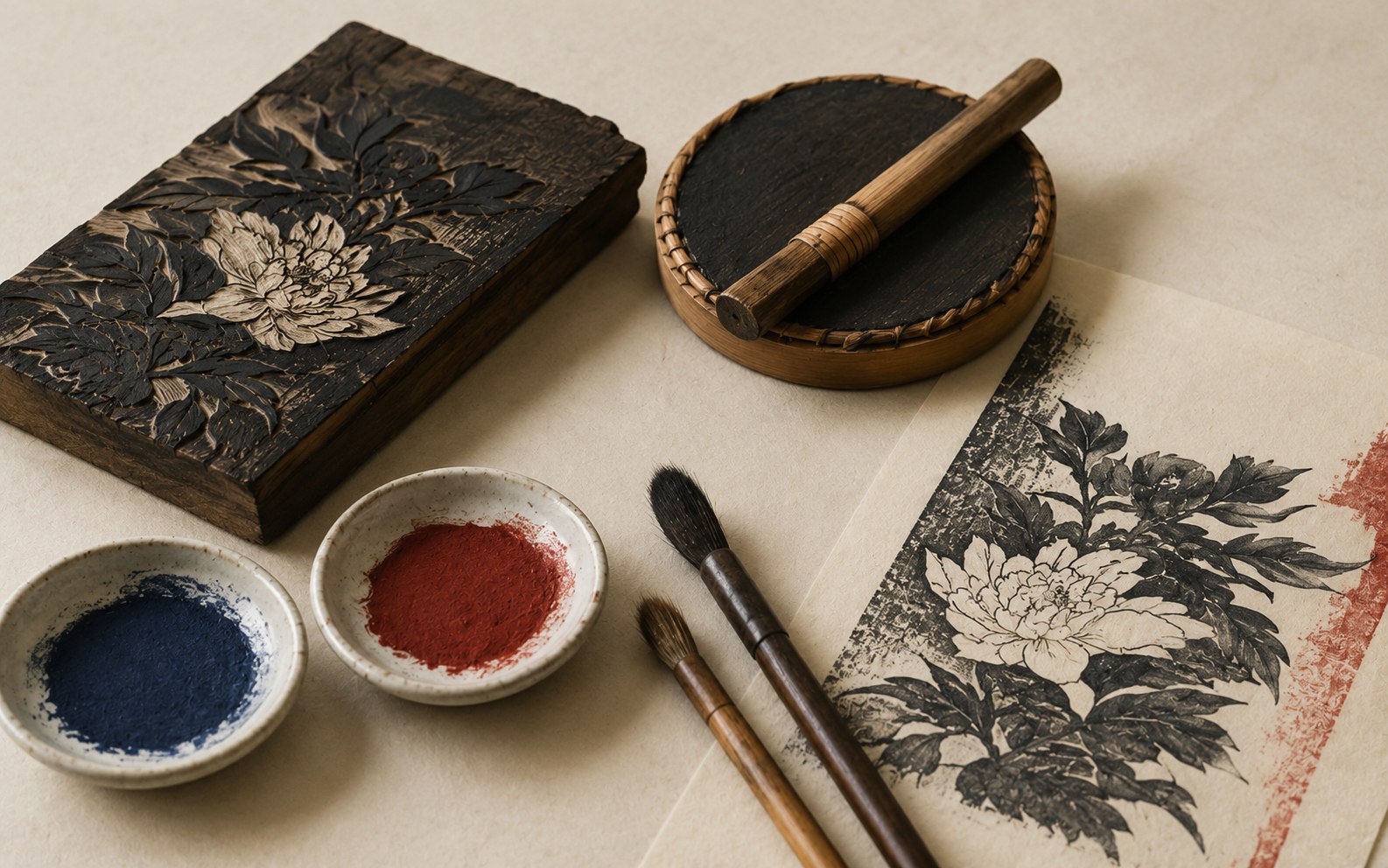
Ukiyo-e (浮世絵): Mass-Made Art That Conquered the West
By K. YamaUkiyo-e were Edo Japan's throwaway pop prints: actor posters, pin-ups, travel scenes by a team of four. How the floating world went on to remake Western art.
Continue reading → -
Daruma (達磨): The Zen Founder Behind Japan's Lucky Doll
By K. YamaUpdated:The red Daruma doll isn't just a lucky charm — it's Bodhidharma, the founder of Zen. The story of the doll, the eye-painting ritual, and what it means.
Continue reading → -
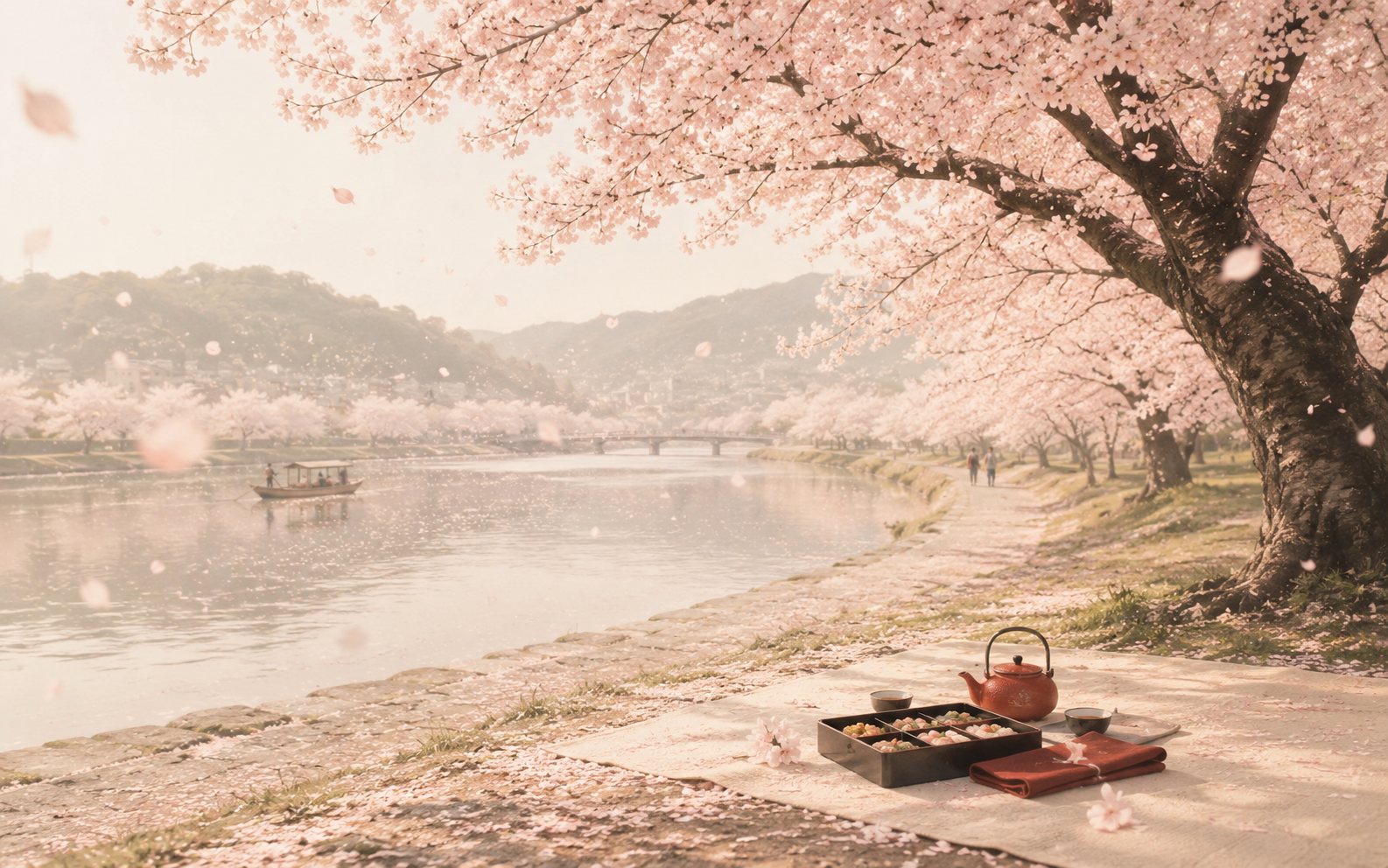
Hanami (花見): Japan's Cherry Blossom Viewing, Explained
By K. YamaUpdated:Hanami (花見), Japan's cherry blossom viewing, began with plum. Its 1,300-year history, how the picnic works, and why the falling petals are the point.
Continue reading → -
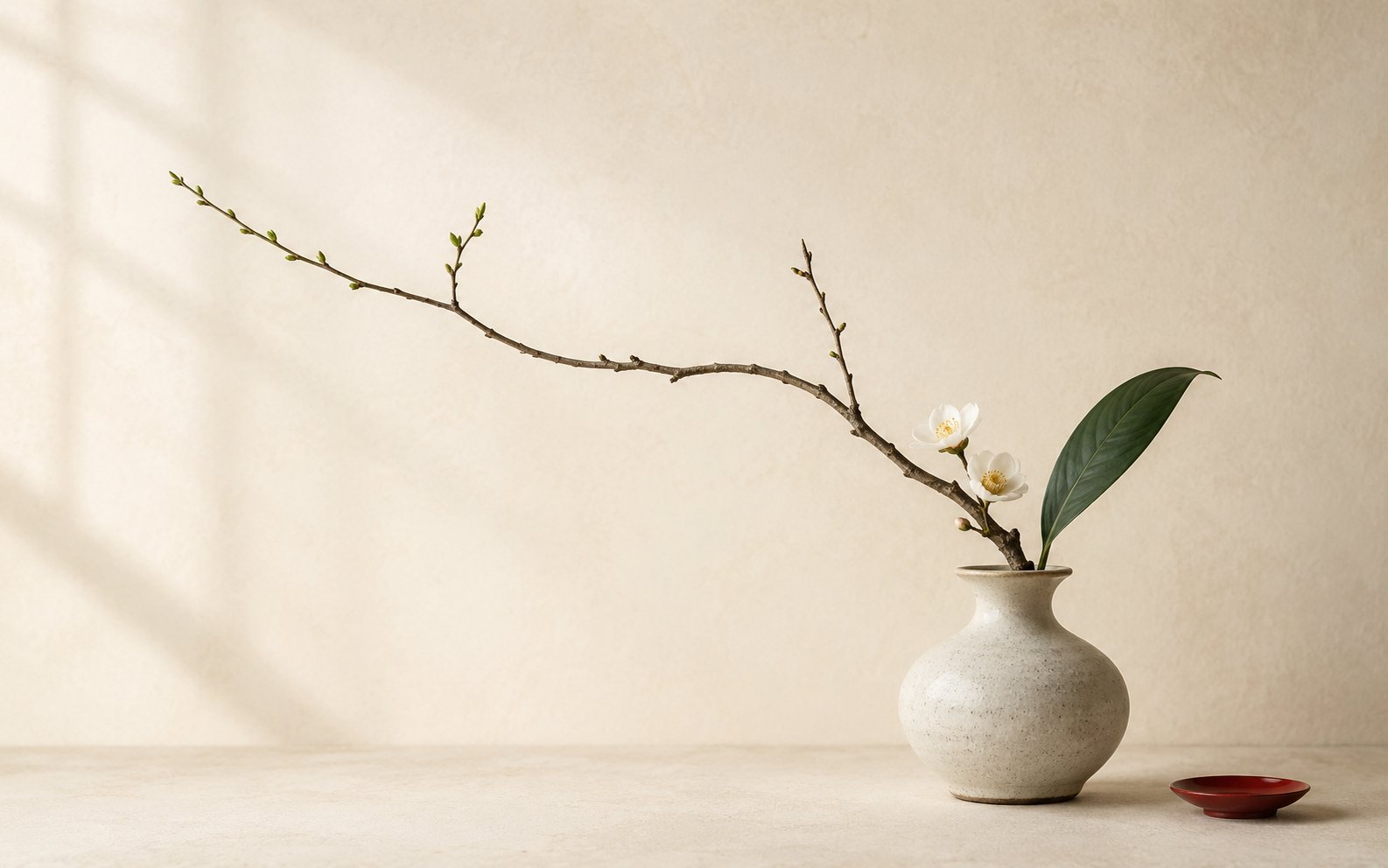
Ikebana (生け花): The Japanese Art of Flowers and Empty Space
By K. YamaUpdated:Ikebana isn't a fancy bouquet. It's the Japanese 'way of flowers,' built on line, asymmetry, and empty space — and the emptiness is the point.
Continue reading → -
Iki (粋): Japan's Edo-Born 'Cool' — and Why It's Not Shibui
By K. YamaUpdated:Iki is Japan's aesthetic of understated cool — flirtatious, proud, and detached all at once. Born in Edo, analyzed by a philosopher. Not the same as shibui.
Continue reading → -
Japanese Aesthetics Glossary: 14 Terms Every Japan Lover Should Know
By K. YamaUpdated:A clear, accurate glossary of 14 Japanese aesthetic terms — wabi-sabi, ikigai, ma, yūgen, mono no aware, kintsugi, and more — with the myths corrected.
Continue reading → -
Japanese Tea Ceremony (茶道): What Sadō Is Really About
By K. YamaThe Japanese tea ceremony (sadō) was never really about the tea. What chanoyu actually is: a discipline of hospitality, impermanence, and one unrepeatable meeting.
Continue reading → -
Komorebi (木漏れ日): The Japanese Word for Sunlight Through Trees
By K. YamaUpdated:Komorebi is the Japanese word for sunlight filtering through leaves — not a deep philosophy, just a precise name for a fleeting thing worth noticing.
Continue reading → -
Ma (間): The Japanese Art of Negative Space and the Pause
By K. YamaUpdated:Ma (間) is Japan's meaningful emptiness in space AND time — not 'negative space' but the charged interval holding music, rooms, and the page together.
Continue reading →