
Japanese Culture
Komorebi (木漏れ日): Meaning and How to Write It
Komorebi, 木漏れ日, is literally 'sun leaking through trees.' What each kanji means, the spelling 木洩れ日, and how to brush the word so it looks like light.
7 articles with this tag.
Komorebi, 木漏れ日, is literally 'sun leaking through trees.' What each kanji means, the spelling 木洩れ日, and how to brush the word so it looks like light.
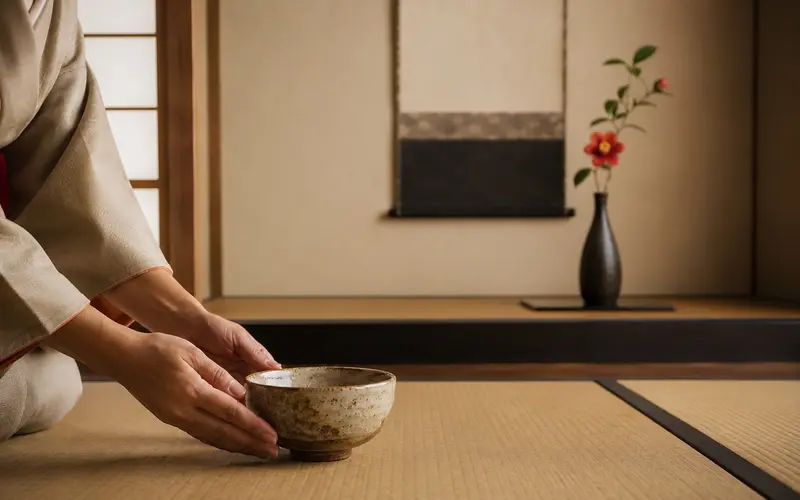
In a tea room, omotenashi begins with a scroll chosen for one guest on one day. How the word is written, what hosts hang, and why it isn't customer service.
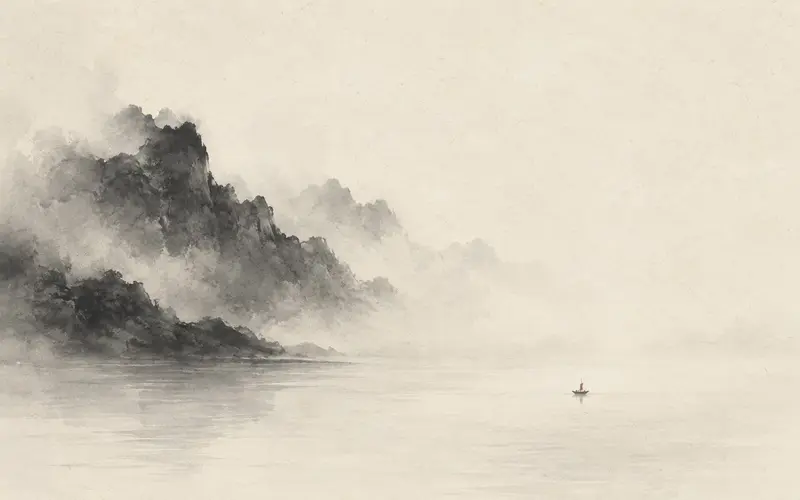
Yūgen, 幽玄, is the beauty of depth that is suggested, not shown. What its two dark kanji mean, how ink tones express it, and how to brush the word.
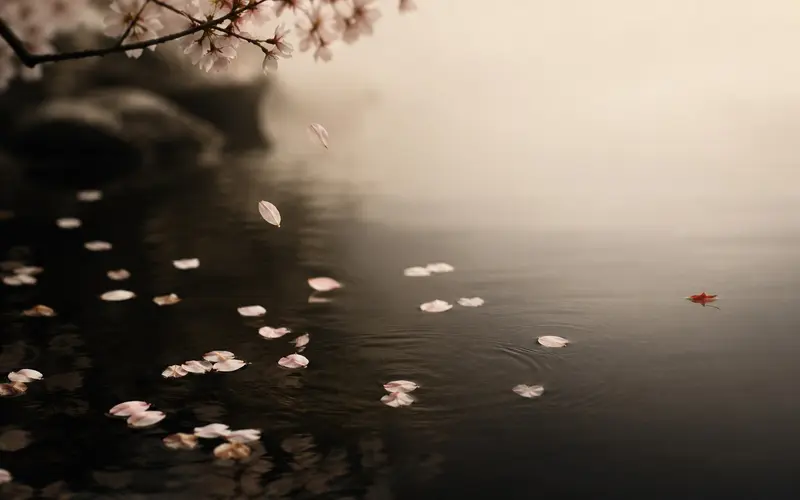
Mono no aware is the bittersweet feeling of things passing. What its characters say, why the old kana spelling matters, and how calligraphy makes the idea visible.
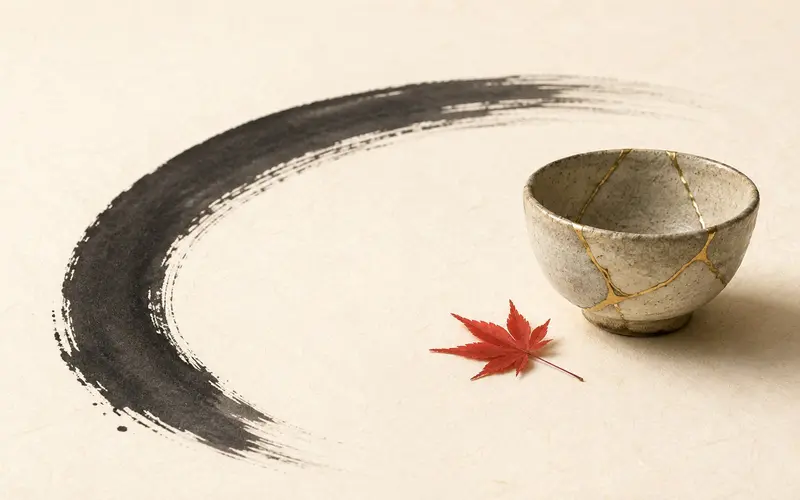
A clear, accurate glossary of 14 Japanese aesthetic terms — wabi-sabi, ikigai, ma, yūgen, mono no aware, kintsugi, and more — with the myths corrected.
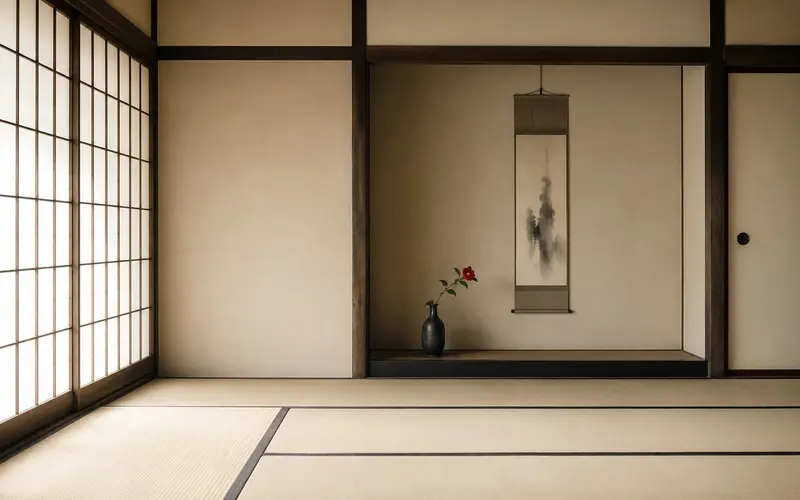
Ma (間) is Japan's meaningful emptiness in space AND time — not 'negative space' but the charged interval holding music, rooms, and the page together.
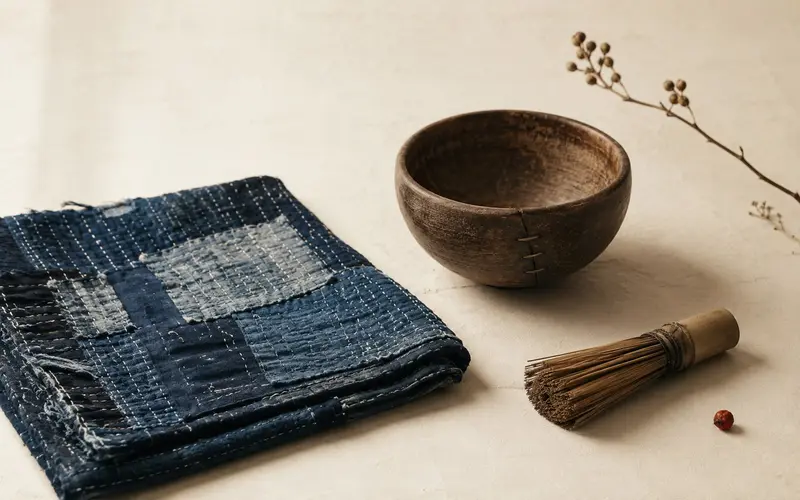
Mottainai is usually flattened to 'don't waste.' It really means the intrinsic worth of a thing is being lost — closer to grief than to thrift. Explained.