Tag: shodo
All the articles with the tag "shodo".
-
Shibui (渋い): Understated Beauty, and Why It's Not Wabi-Sabi
By K. YamaUpdated:Shibui is Japan's understated, refined beauty — related to wabi-sabi but not the same thing. The difference, and why the word began as a sour taste.
Continue reading → -
Shinrin-yoku (森林浴): What Japanese Forest Bathing Really Is
By K. YamaUpdated:Shinrin-yoku, 'forest bathing,' isn't ancient Zen — it's a 1982 Japanese idea that turned out to have real science behind it. What it is, and how to do it.
Continue reading → -
Wabi-Sabi: The Japanese Art of Imperfect Beauty
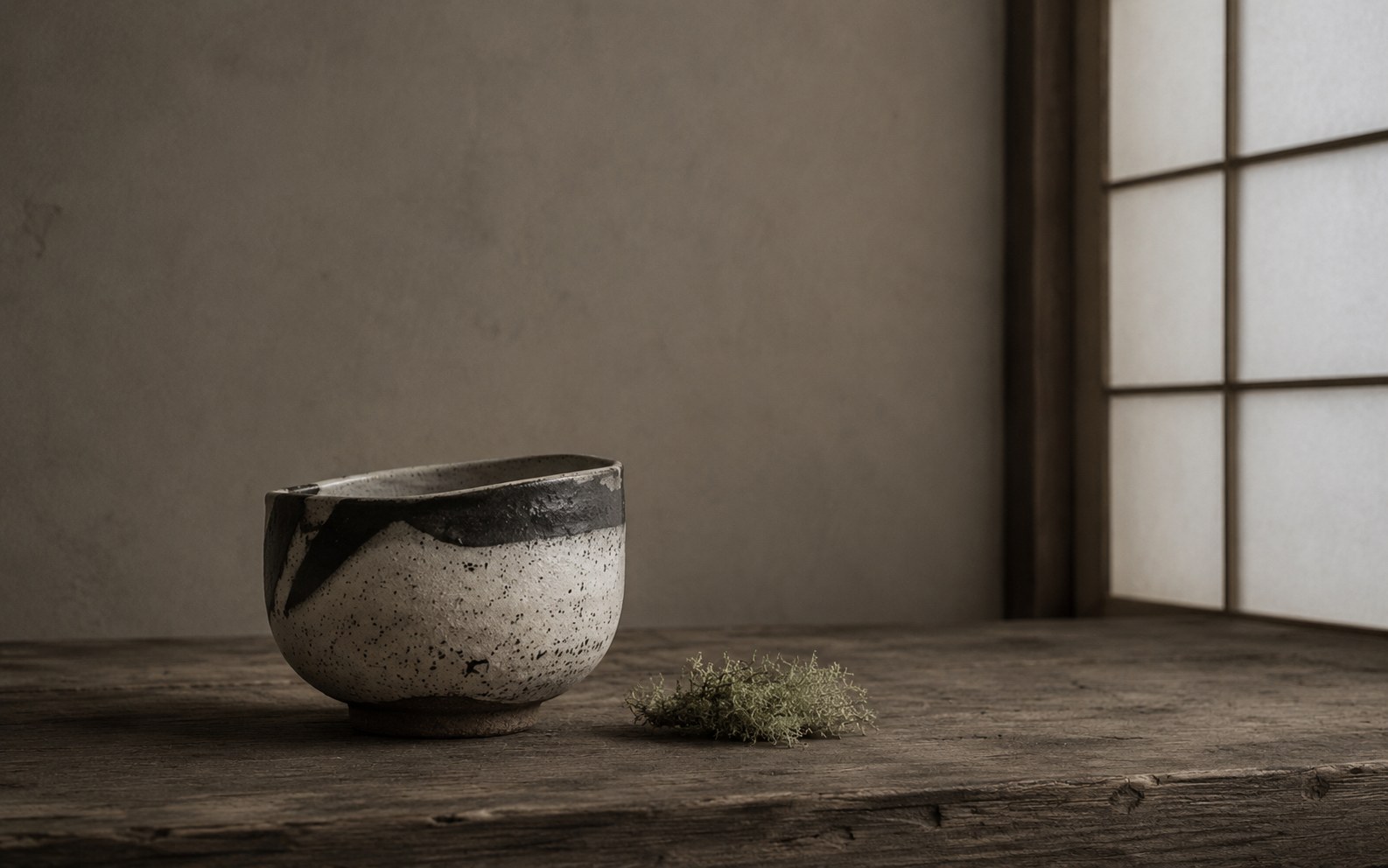
By K. YamaUpdated:Wabi-sabi is Japan's aesthetic of imperfect, impermanent beauty — and the West mostly gets it wrong. What it really means, from tea room to brush.
Continue reading → -
Zen Garden (枯山水): What a Japanese Rock Garden Really Is
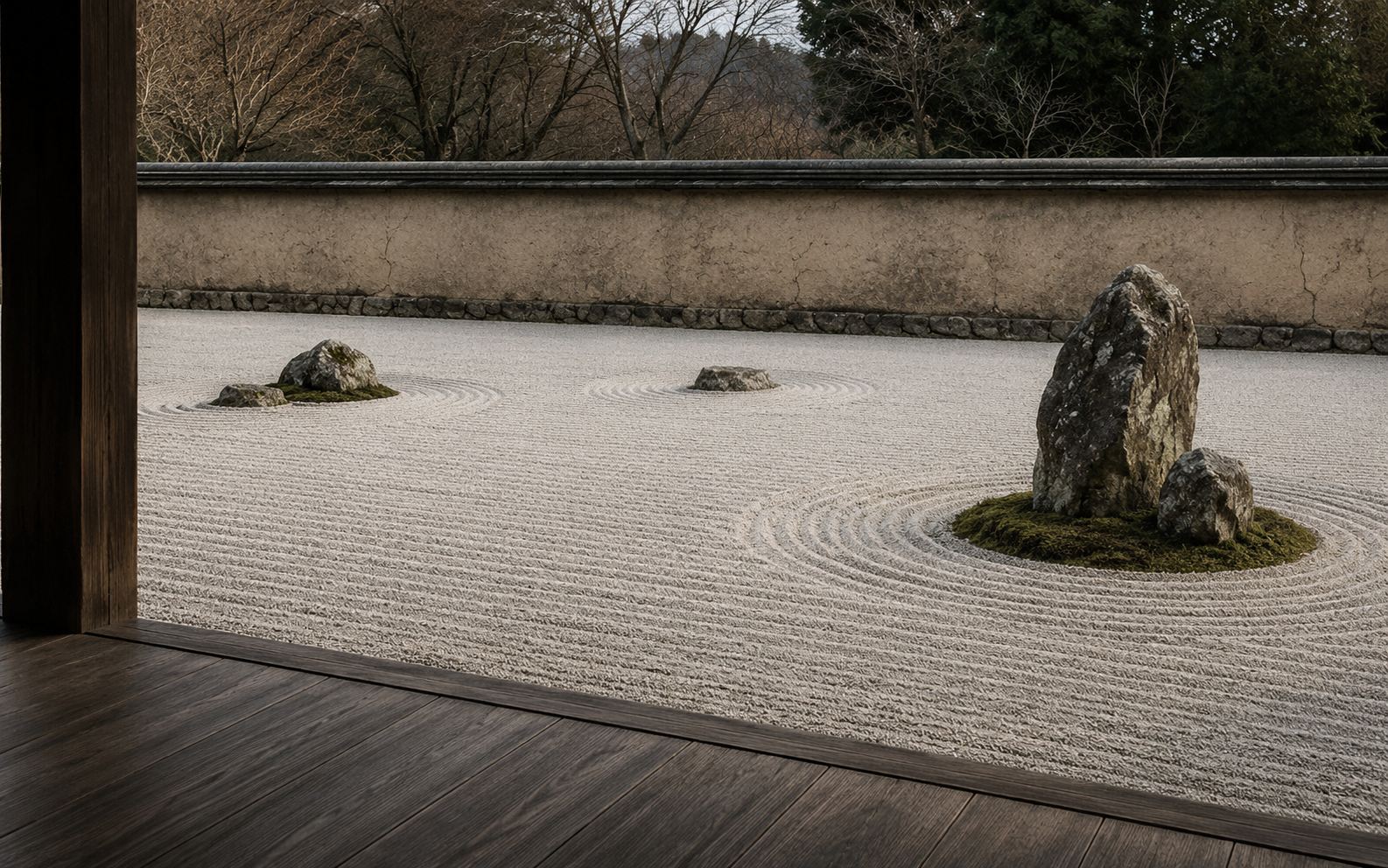
By K. YamaUpdated:A Zen garden isn't a desktop stress toy. Karesansui is a dry landscape of raked gravel and stone, built for contemplation — water with no water in it.
Continue reading → -
Bonsai (盆栽): The Real Meaning of Japan's Miniature Trees
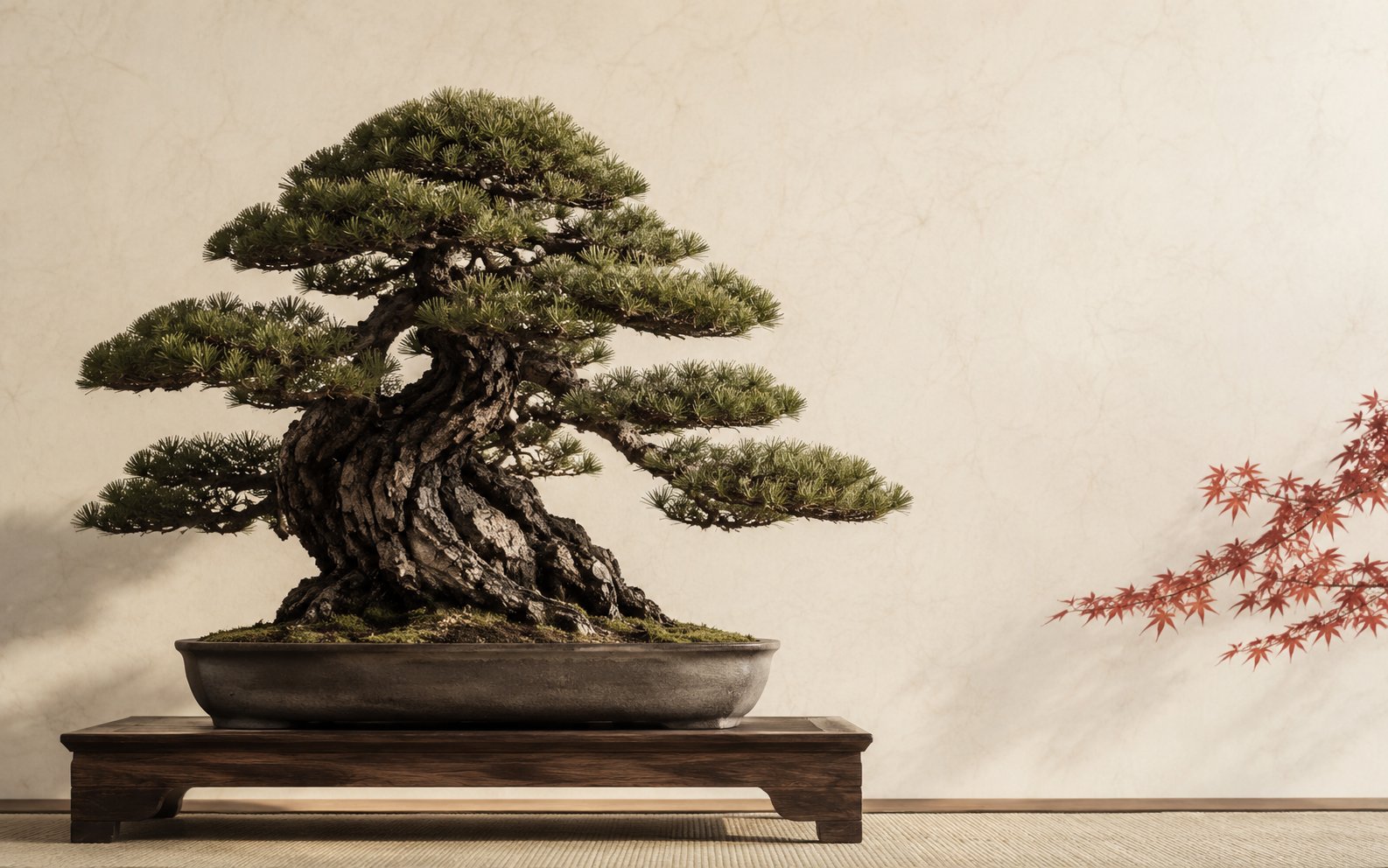
By K. YamaBonsai means 'planted in a tray' — ordinary trees kept small by patient cultivation, some tended for centuries. The real art behind the miniature tree.
Continue reading → -
Light Kanji (光): Meaning, the Shining Prince, and How to Write It
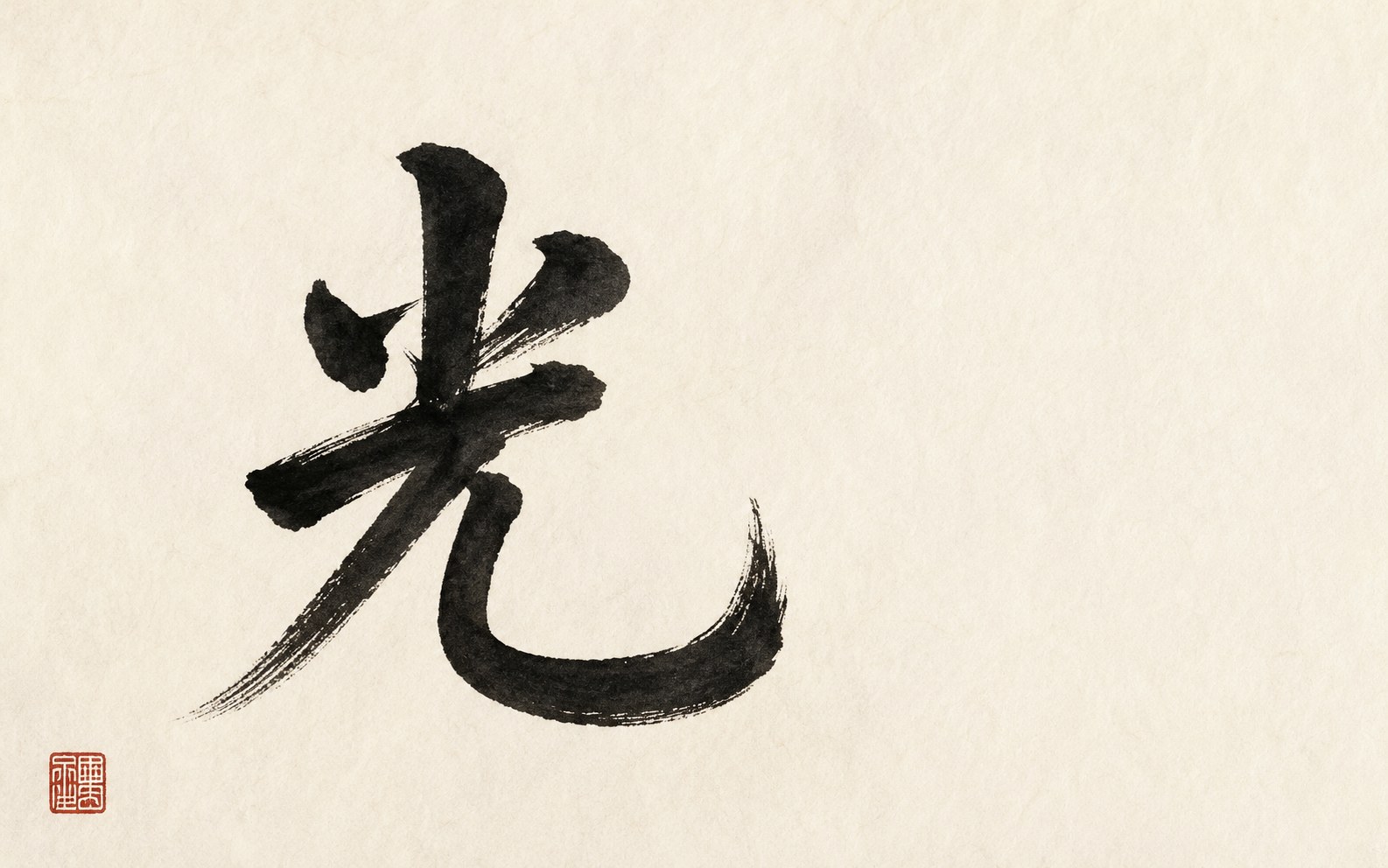
By K. Yama光 means light — a fire carried by a person, the hikari of moonlight and glory, and the name of Japan's Shining Prince. Its meaning and how to write it.
Continue reading → -
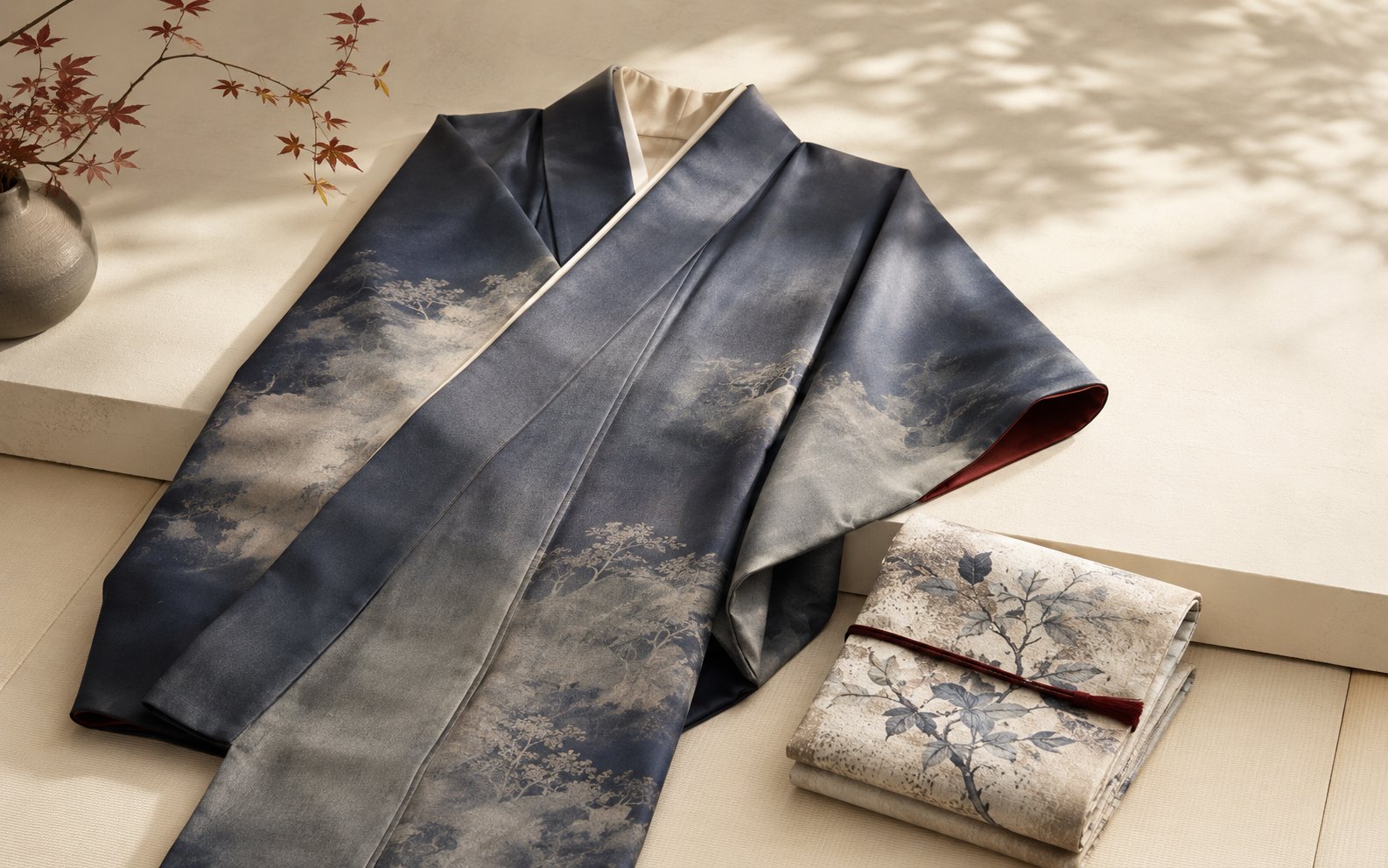
Kimono (着物): What Japan's 'Thing to Wear' Really Means
By K. YamaKimono means, literally, 'a thing to wear' — a living garment with seasonal rules and one detail you must never get wrong. The real story, not the costume.
Continue reading → -
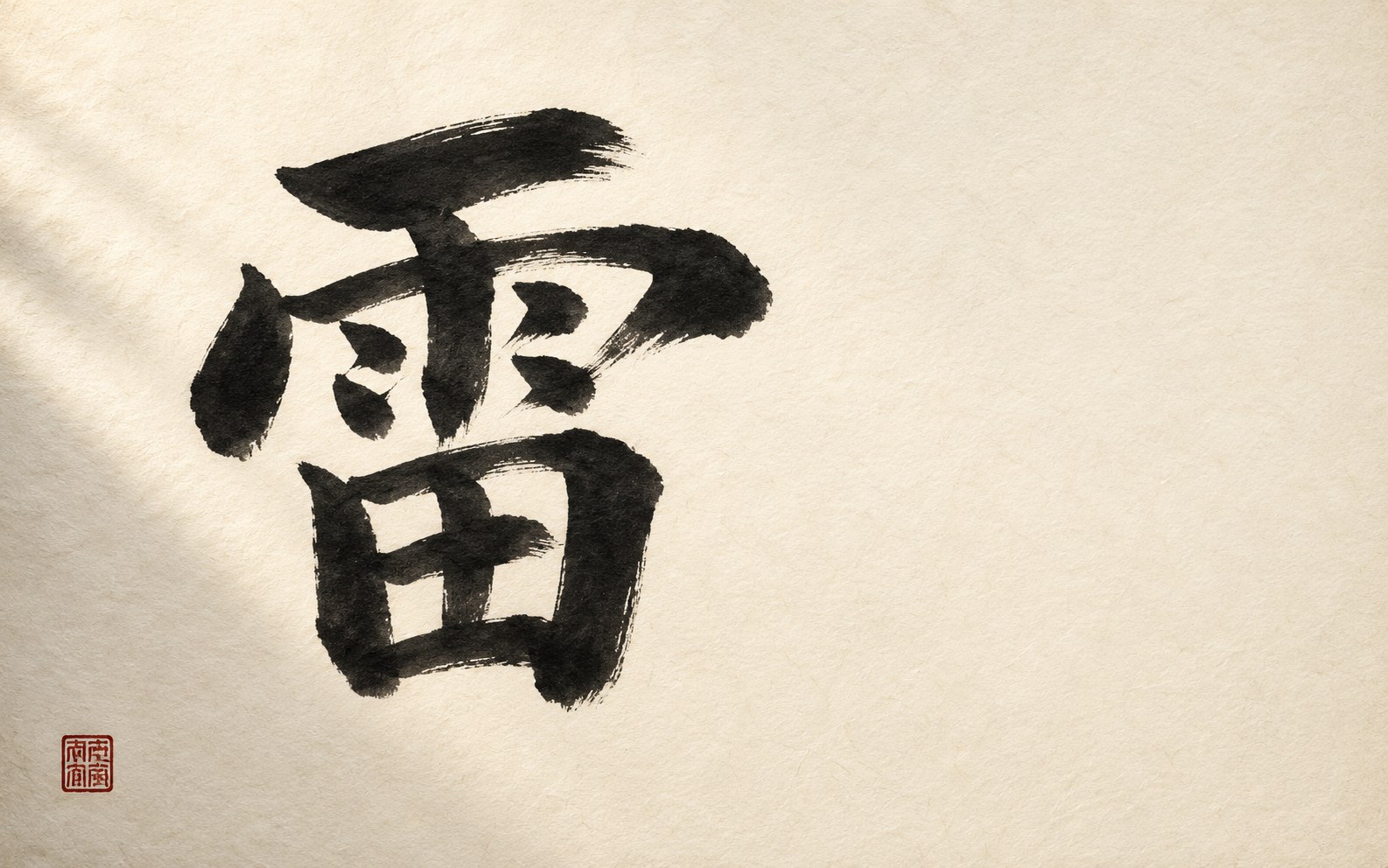
Thunder Kanji (雷): Meaning, Raijin, and How to Write It
By K. Yama雷 means thunder: rain over a field, the drum-beating god Raijin, and a word that began as 'the cry of the gods.' Its meaning, readings, and writing.
Continue reading → -
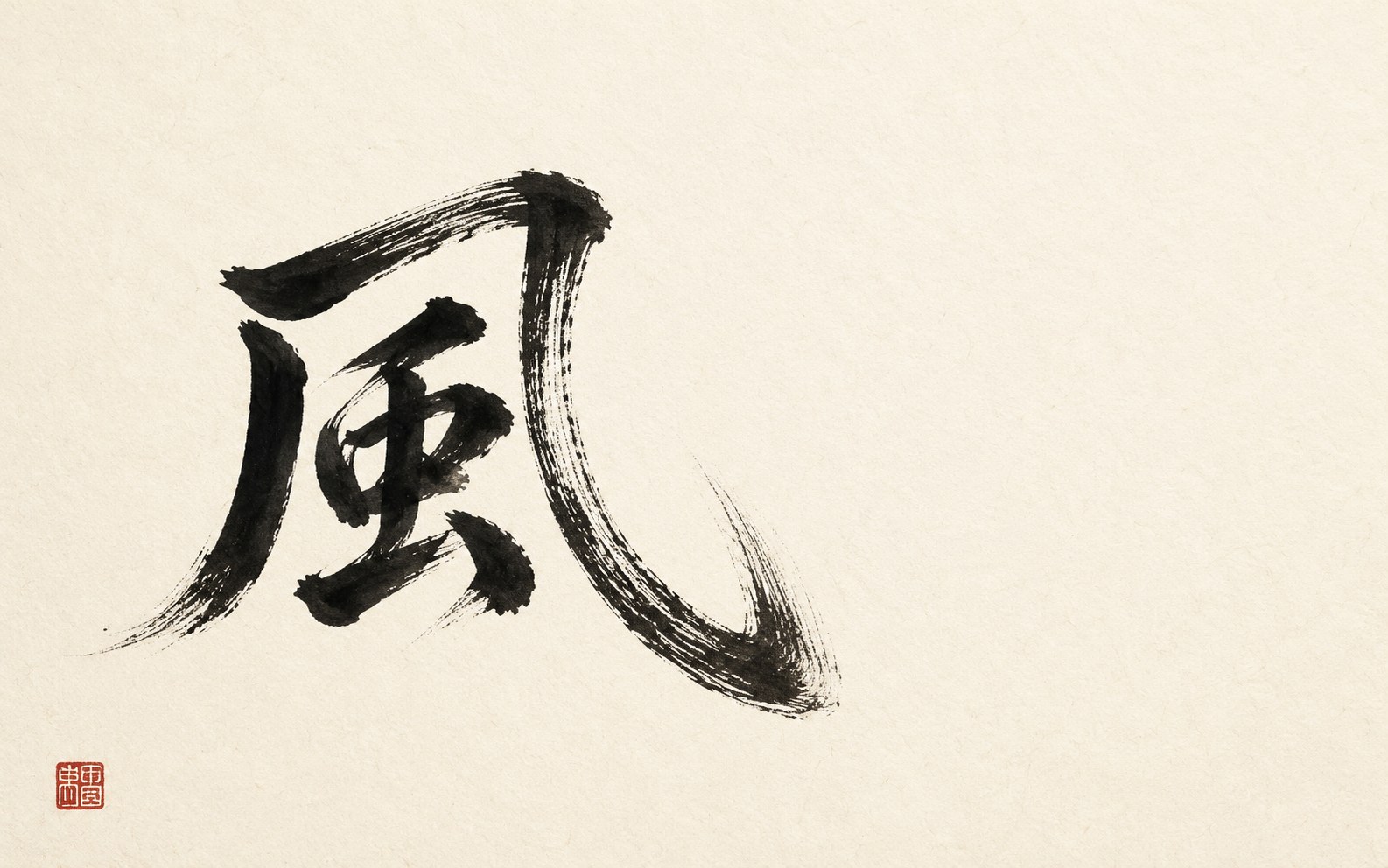
Wind Kanji (風): Wind, Style, and How to Write It
By K. Yama風 (kaze) means wind — and also style, manner, and atmosphere. The 'wind' of 風林火山: what it carries in Japanese, and how to write it with movement.
Continue reading → -
Ikigai: What the Japanese Word Really Means (Not the Diagram)
By K. YamaIkigai is your reason to get up in the morning — but the famous four-circle diagram isn't Japanese. A look at what ikigai actually means in everyday Japan.
Continue reading →