Posts
All the articles I've posted.
-
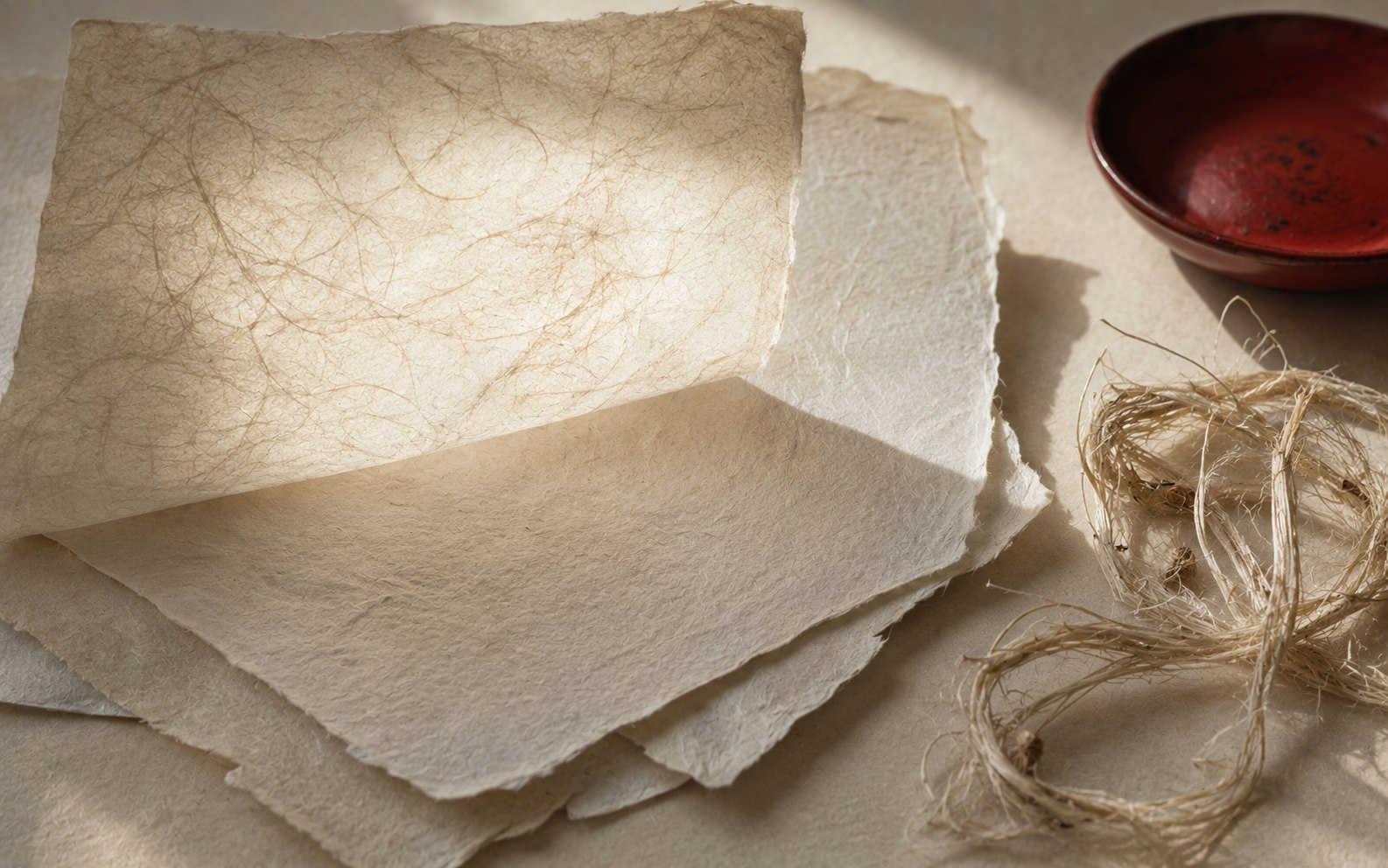
Washi (和紙): The Japanese Paper That Lasts a Thousand Years
By K. YamaWashi is made from shrub bark, not wood pulp, which is why it survives a thousand years. Why museums repair Western masterpieces with Japanese paper.
Continue reading → -
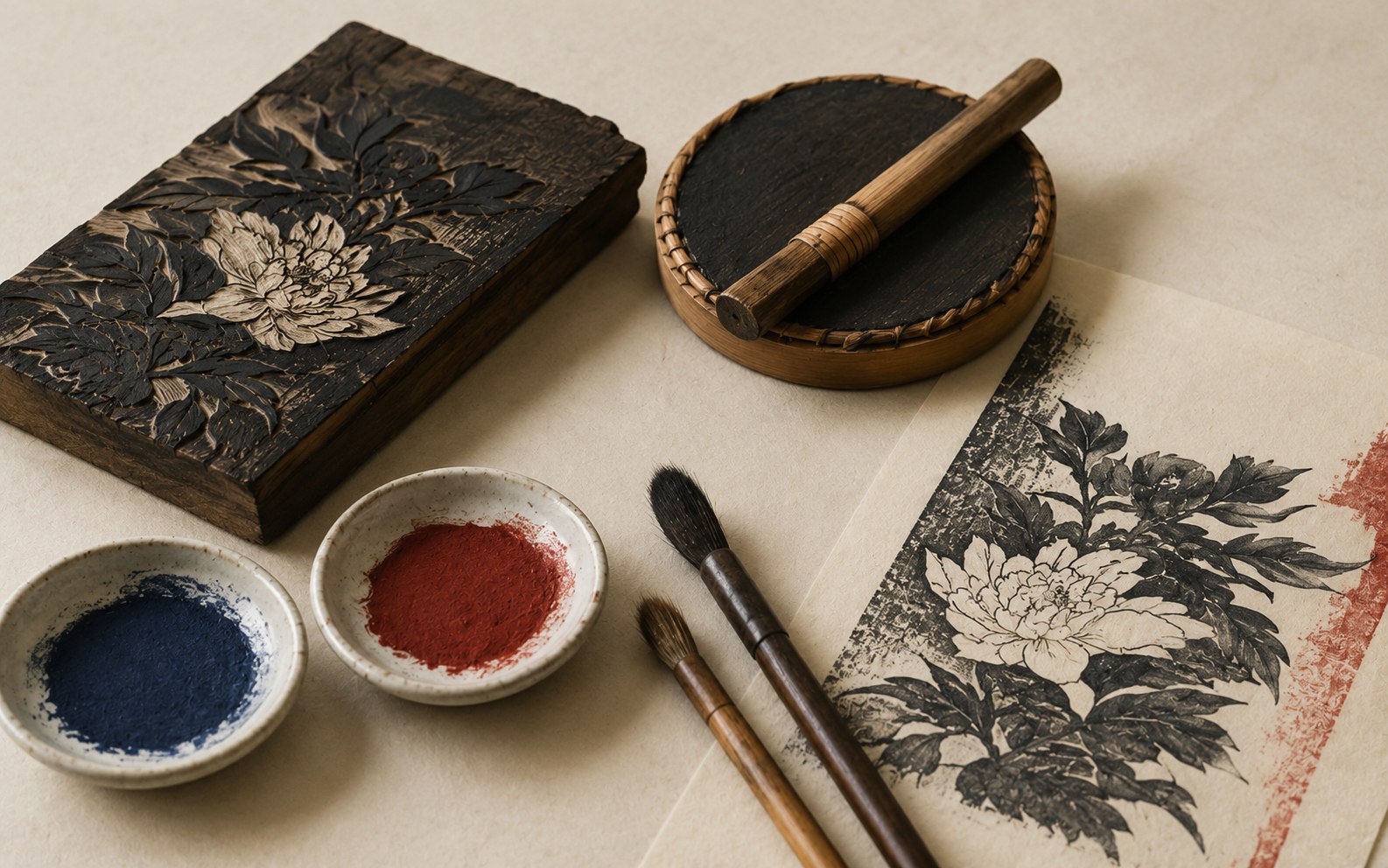
Ukiyo-e (浮世絵): Mass-Made Art That Conquered the West
By K. YamaUkiyo-e were Edo Japan's throwaway pop prints: actor posters, pin-ups, travel scenes by a team of four. How the floating world went on to remake Western art.
Continue reading → -
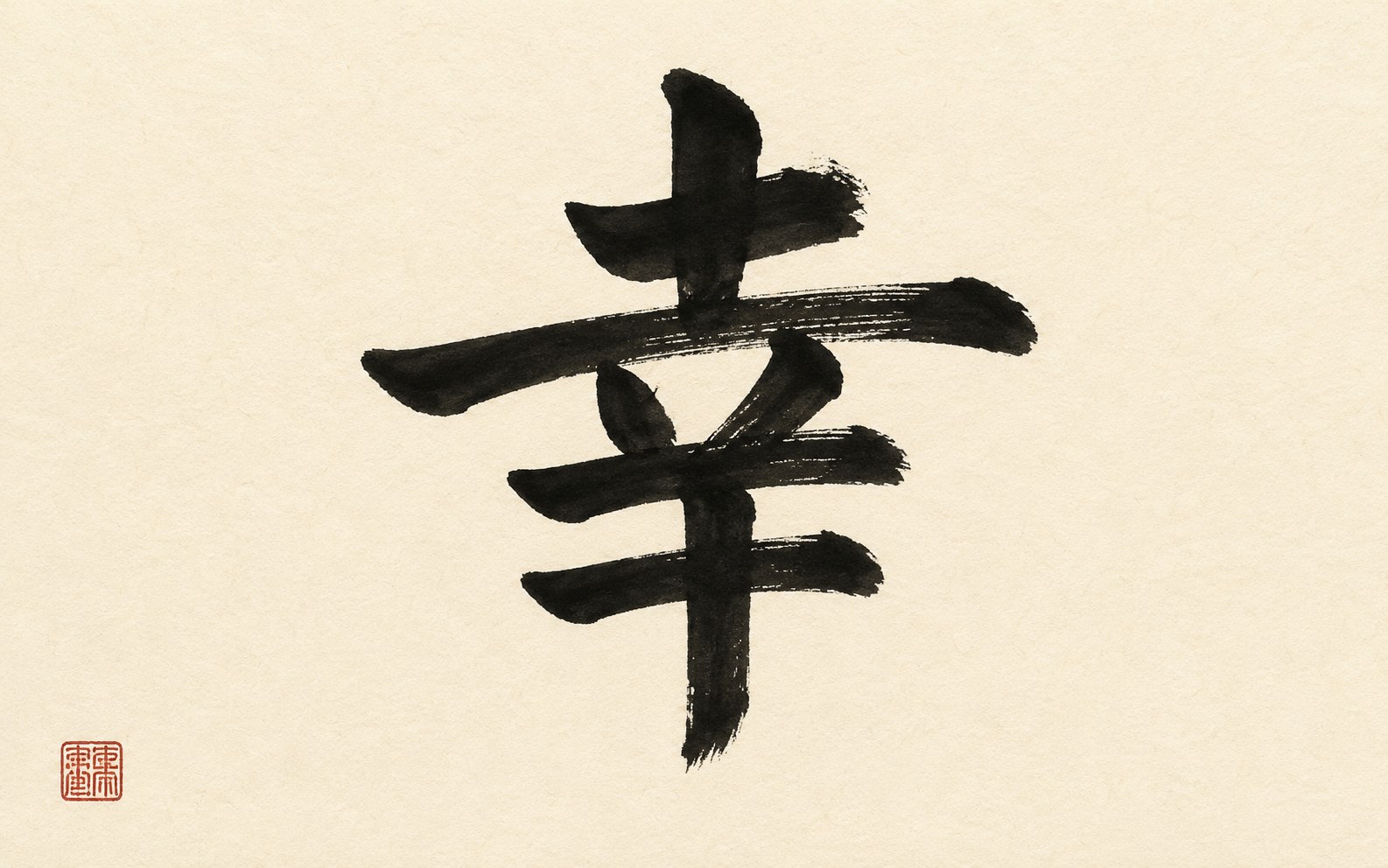
Happiness Kanji (幸): Meaning, Dark Origins & How to Write It
By K. YamaHappiness kanji (幸): its oldest forms point to handcuffs and escaped death. Why, in Japanese, good fortune turns out to be the calamity that didn't happen.
Continue reading → -
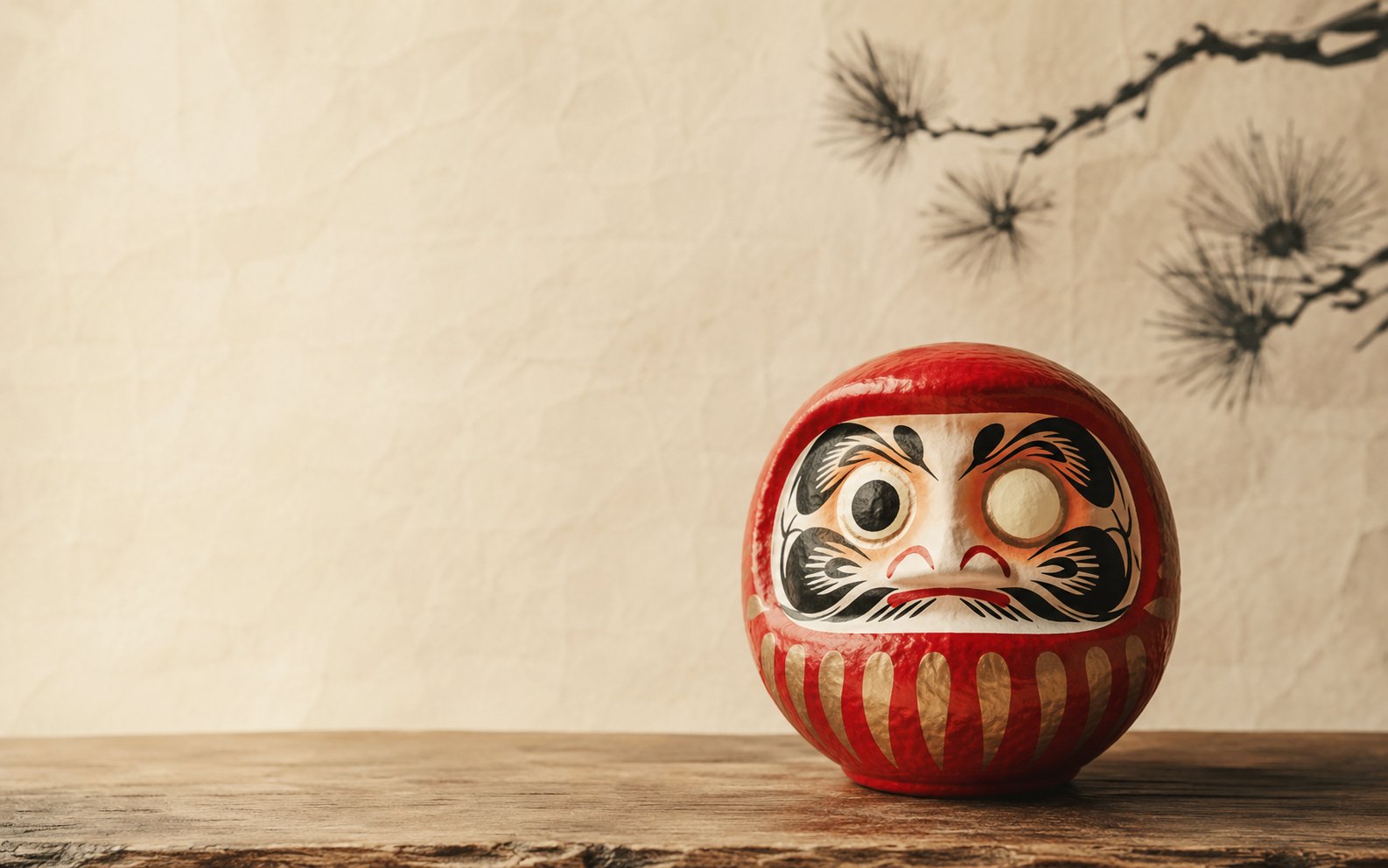
Daruma (達磨): The Zen Founder Behind Japan's Lucky Doll
By K. YamaUpdated:The red Daruma doll isn't just a lucky charm — it's Bodhidharma, the founder of Zen. The story of the doll, the eye-painting ritual, and what it means.
Continue reading → -
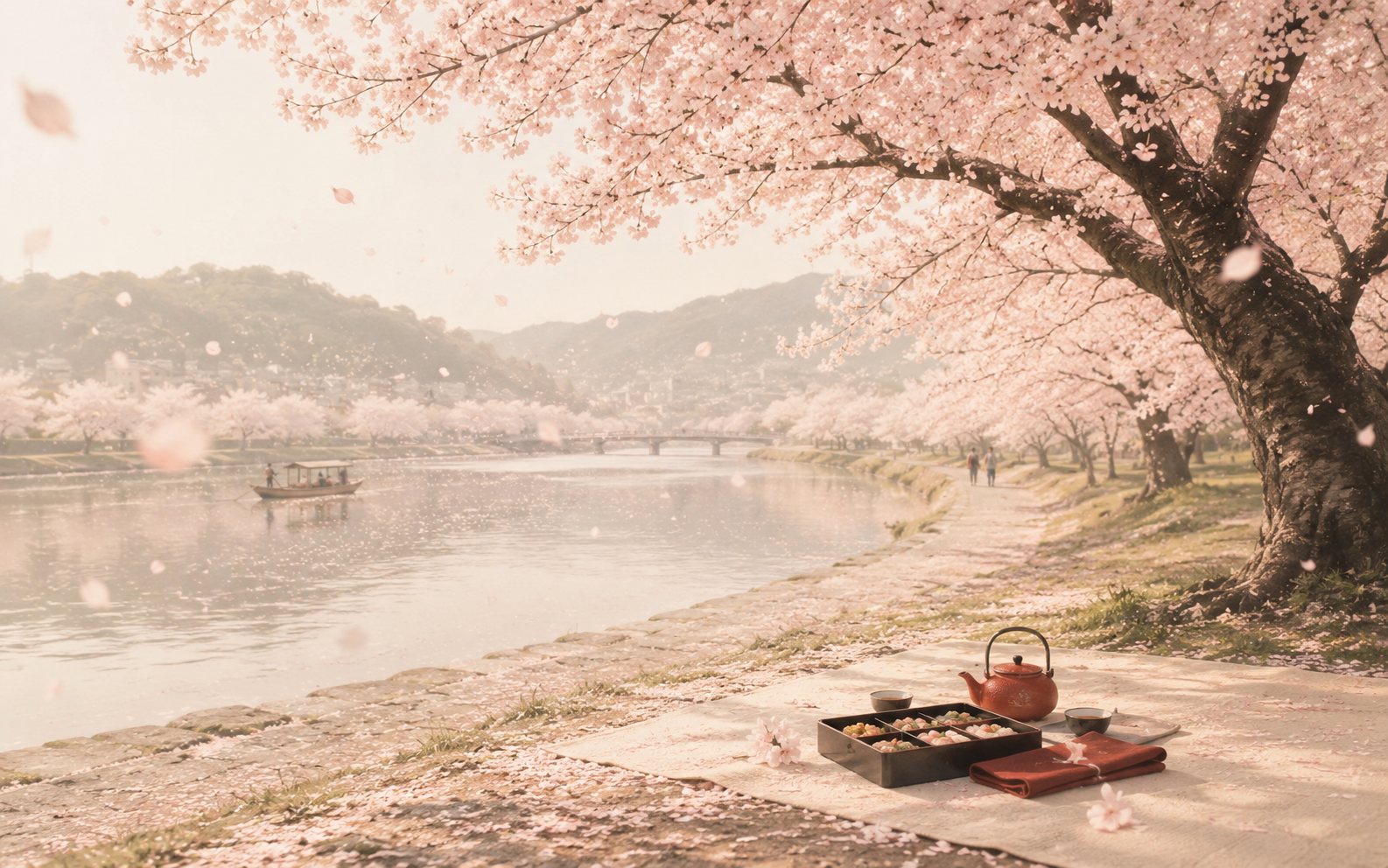
Hanami (花見): Japan's Cherry Blossom Viewing, Explained
By K. YamaUpdated:Hanami (花見), Japan's cherry blossom viewing, began with plum. Its 1,300-year history, how the picnic works, and why the falling petals are the point.
Continue reading → -
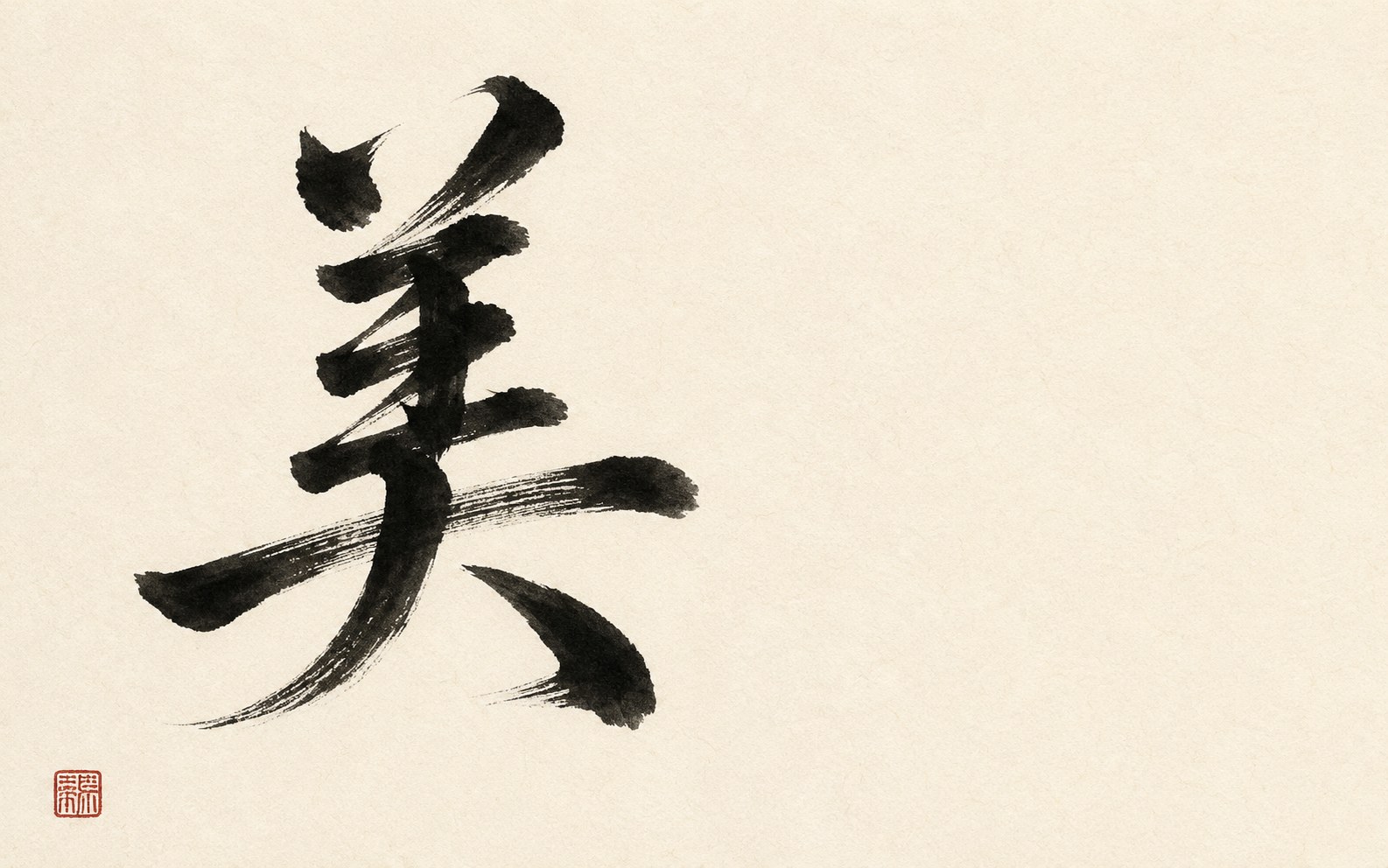
Beauty Kanji (美): The 'Big Sheep' Character, Explained
By K. YamaUpdated:The kanji 美 (beauty) is built from 'big' and 'sheep' — and grew into the root of art, aesthetics, even 'delicious.' Its history and how to write it.
Continue reading → -
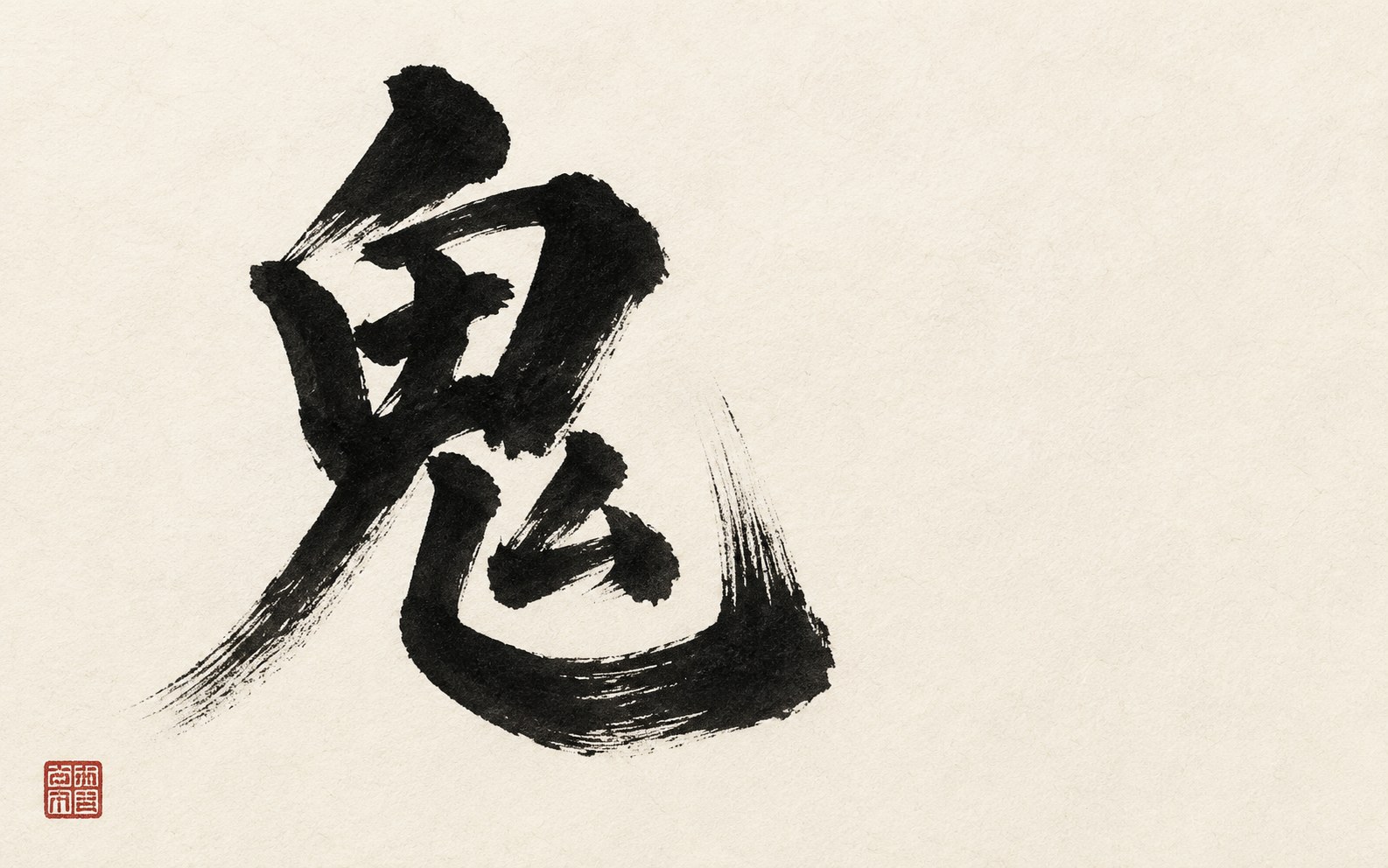
Oni Kanji (鬼): Demon, Protector, and How to Write It
By K. YamaUpdated:鬼 (oni) means demon — but oni guard rooftops as well as haunt tales, and the character once meant 'ghost.' Its double life, and how to write it.
Continue reading → -
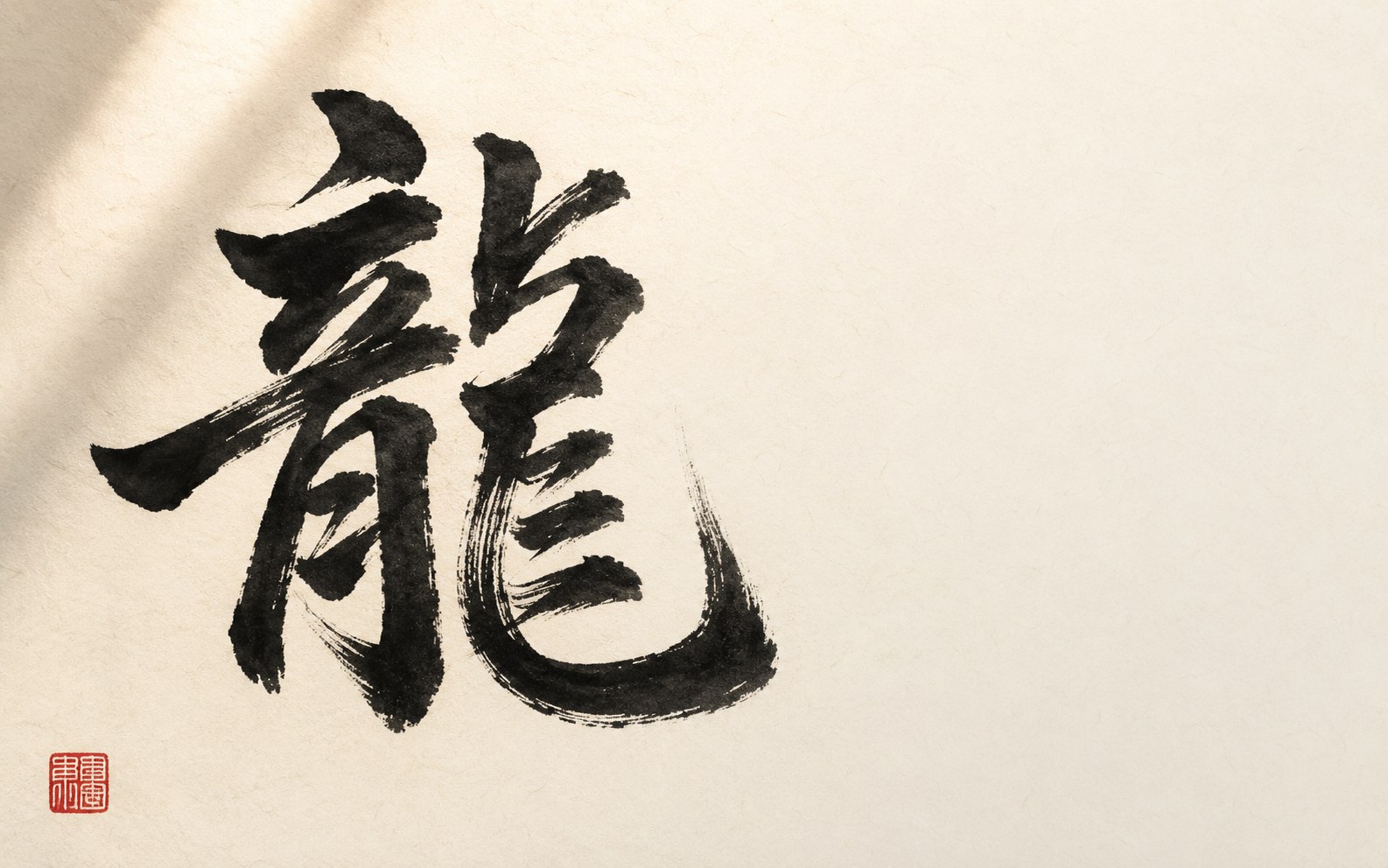
Dragon Kanji (龍): Meaning, the Two Forms, and How to Write It
By K. YamaUpdated:The kanji 龍 means dragon — a water god, not a fire-beast. What it stands for in Japan, the two written forms 龍 and 竜, and how to write all 16 strokes.
Continue reading → -
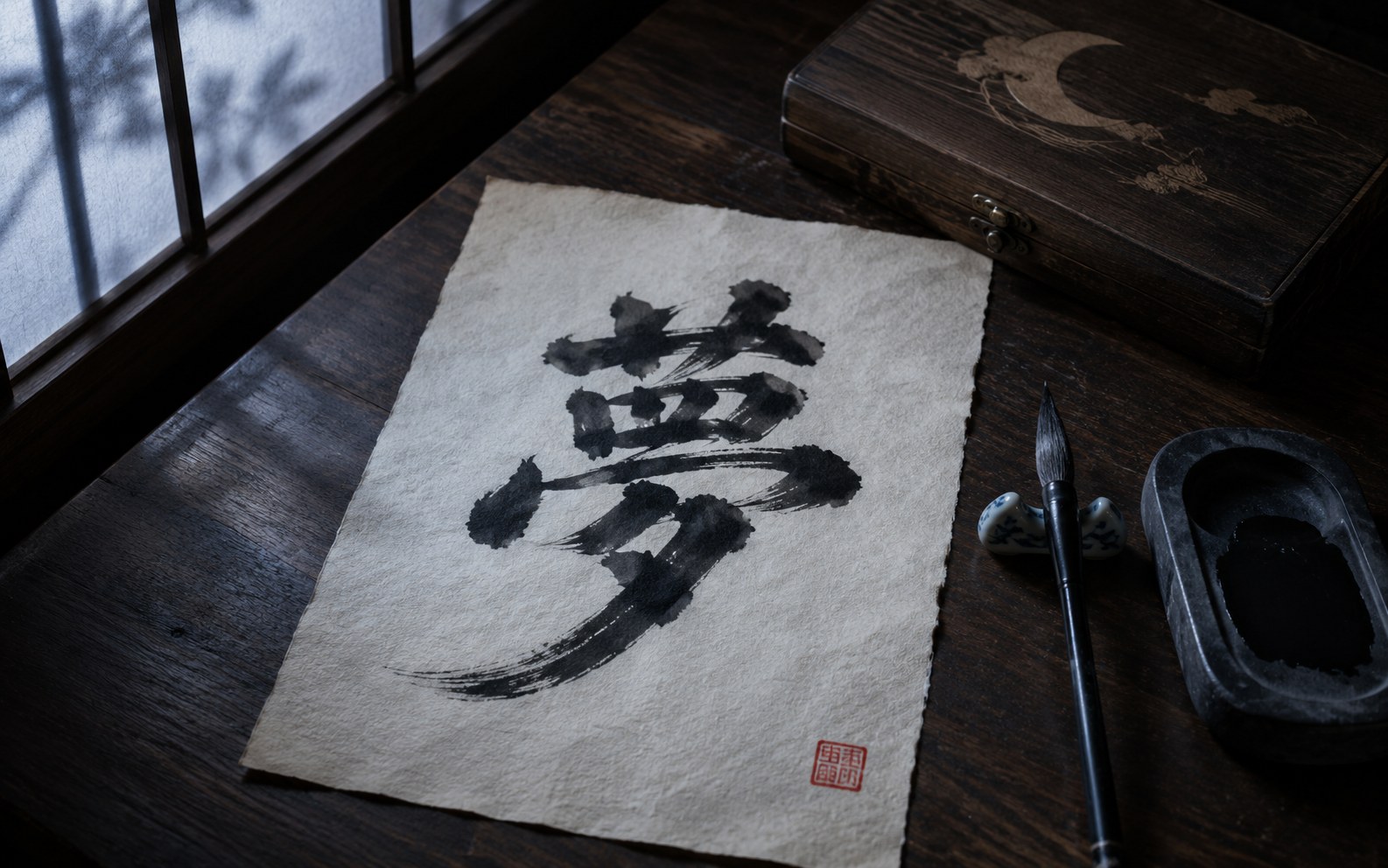
Dream Kanji (夢): Meaning, Etymology, and How to Write It
By K. YamaUpdated:The kanji for dream (夢) holds two meanings English splits apart: the dream you sleep through and the one you chase. Its origin and how to write it.
Continue reading → -
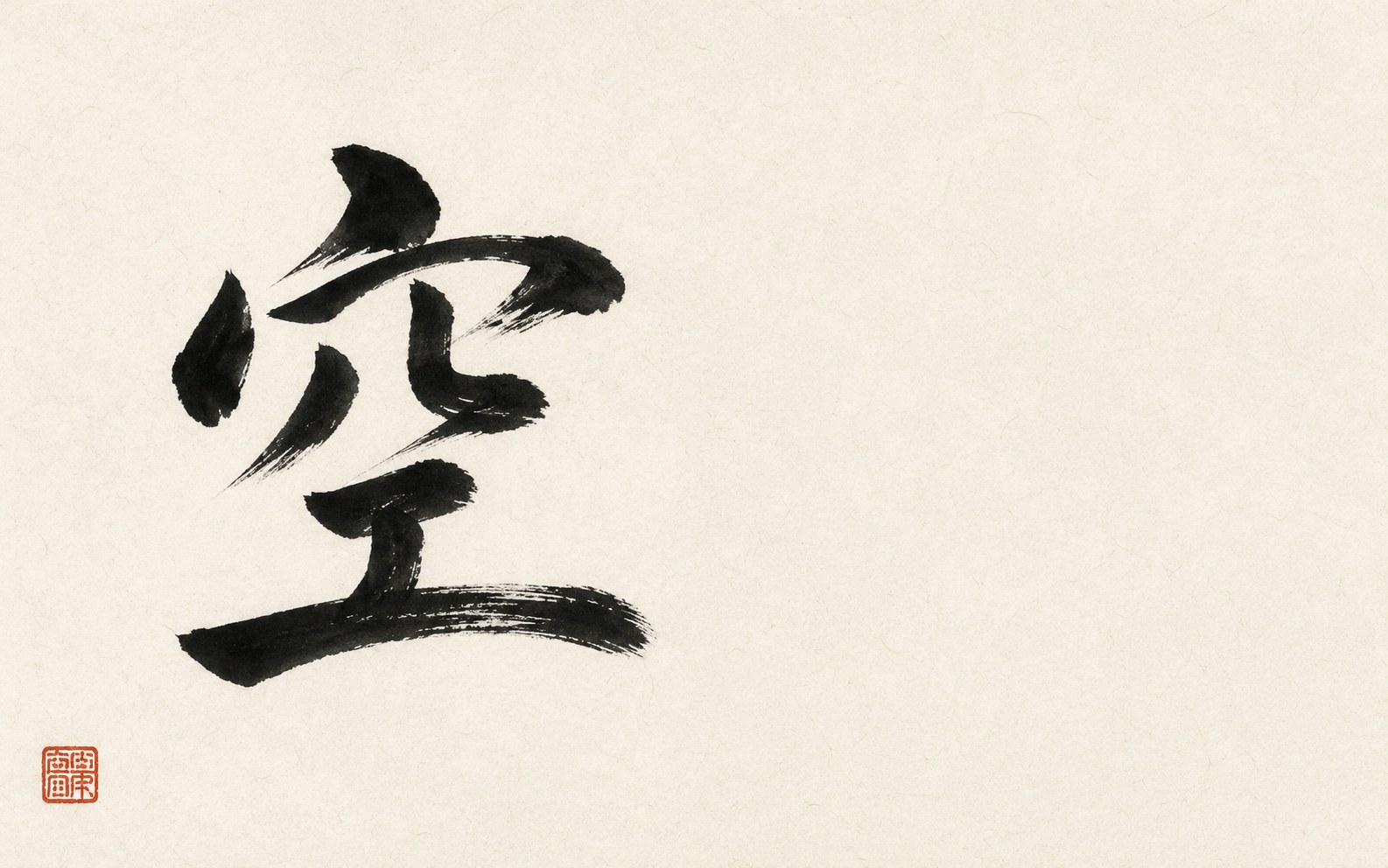
Emptiness Kanji (空): Sky, Void, and the Heart Sutra
By K. YamaUpdated:空 means both 'sky' and 'emptiness,' and in Zen it carries the Heart Sutra's śūnyatā. How one character holds the heavens and the void, and how to write it.
Continue reading →