Kanji Meanings
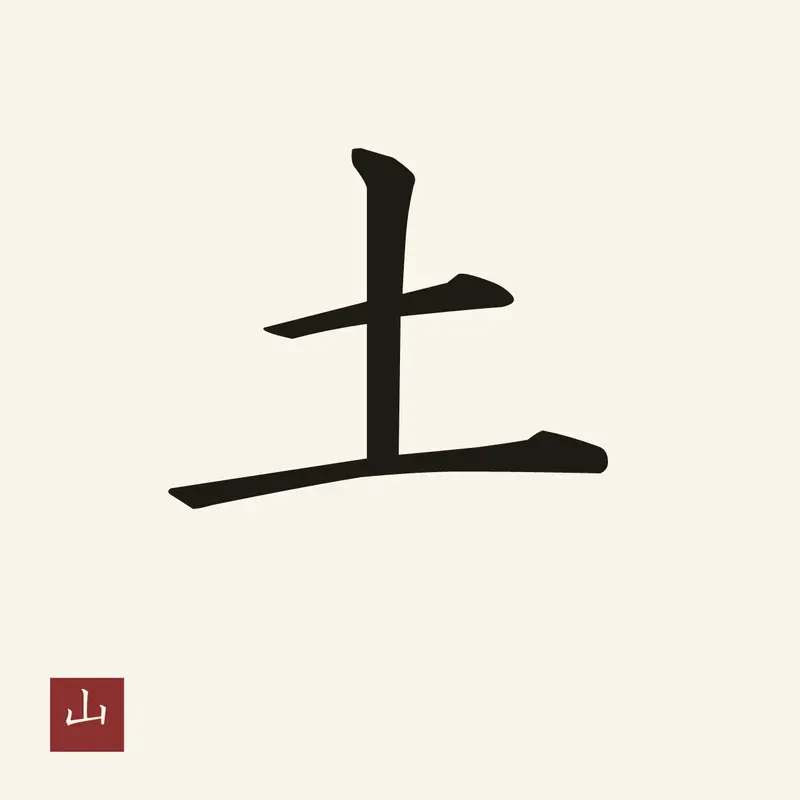
Earth Kanji (土): Soil, the Ground & How to Write It
土 means soil, earth, and the ground — the Earth element and Saturday. Lengthen one stroke and it becomes 士, samurai. What 土 means, and how to write it.
Every guide on the site, most recently updated first. Looking for something in particular? Pick a topic.
土 means soil, earth, and the ground — the Earth element and Saturday. Lengthen one stroke and it becomes 士, samurai. What 土 means, and how to write it.
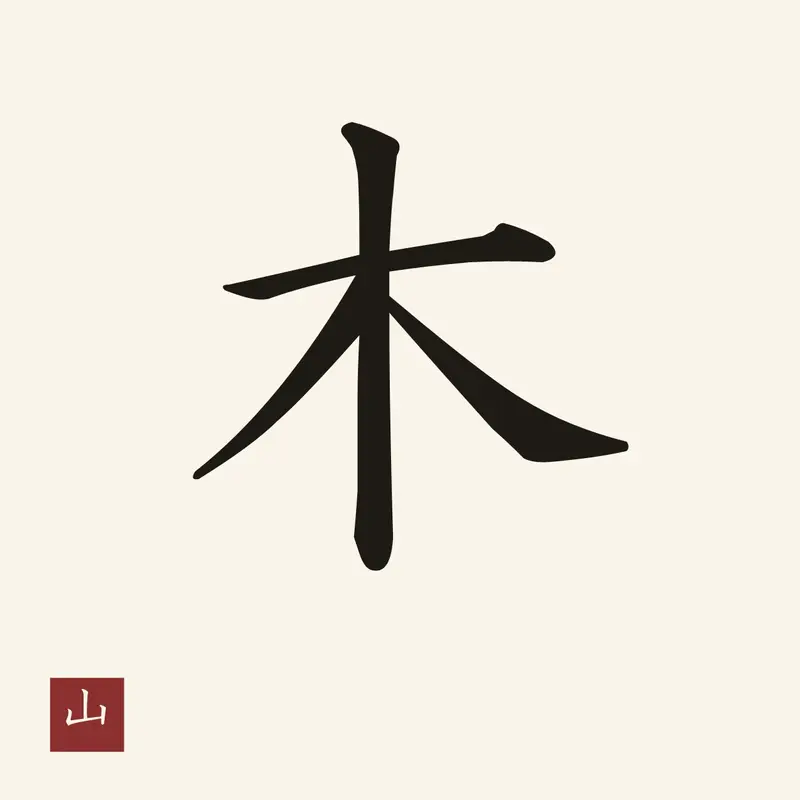
木 is a tree pressed flat — trunk, branches, and roots in four strokes. How it stacks into 林 and 森, what the Wood element means, and how to write it.
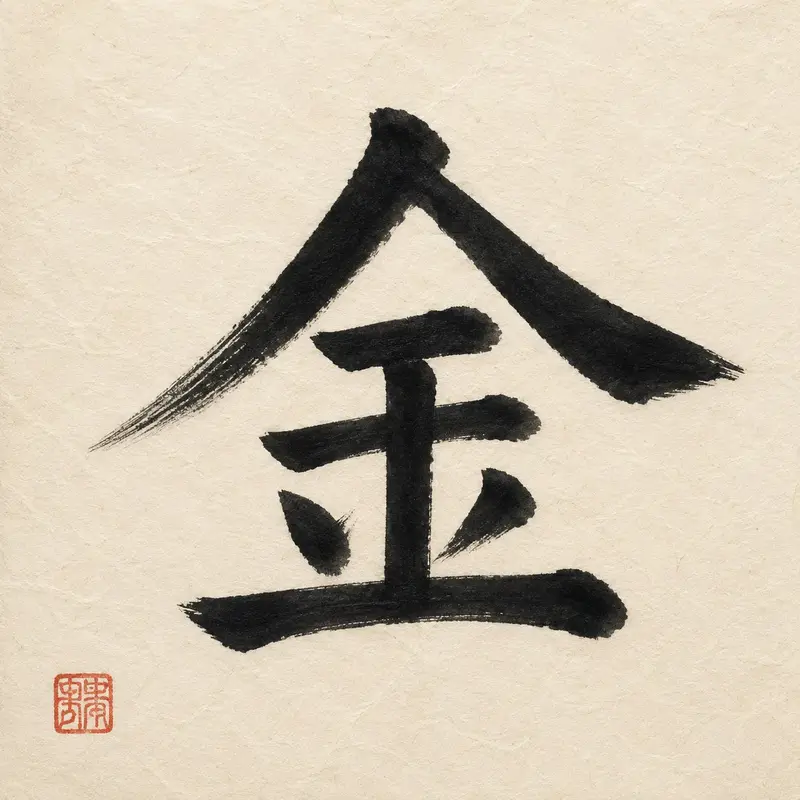
金 means gold, money, and metal all at once — the parent of iron and silver, the metal of the five elements, and the gold of kintsugi. Its meaning and how to write it.
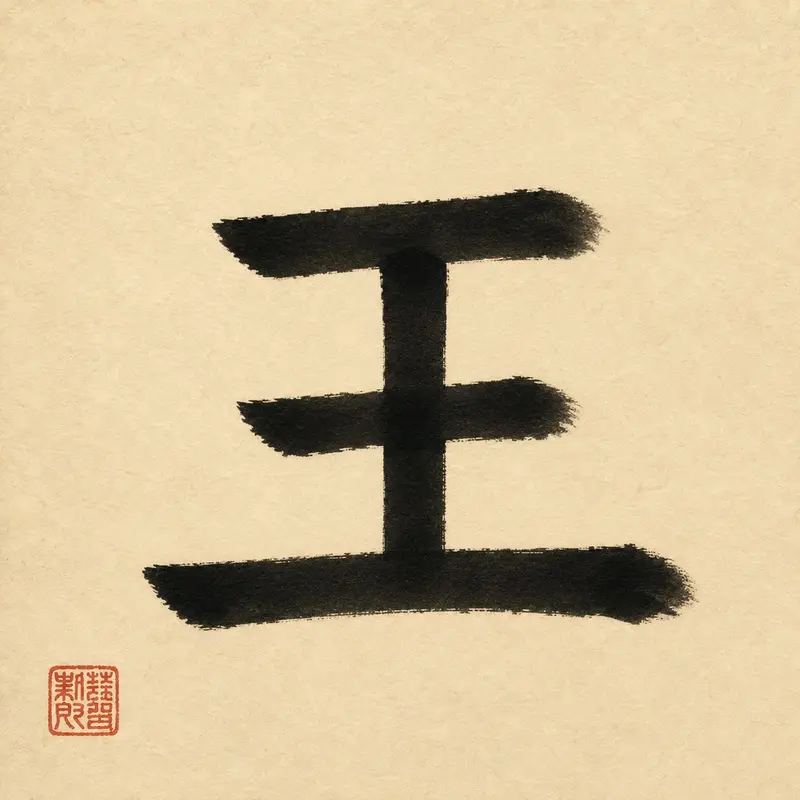
王 is three lines joined by one stroke — heaven, earth, and humanity, bound by the king who connects them. The real meaning, the axe behind it, and how to write it.
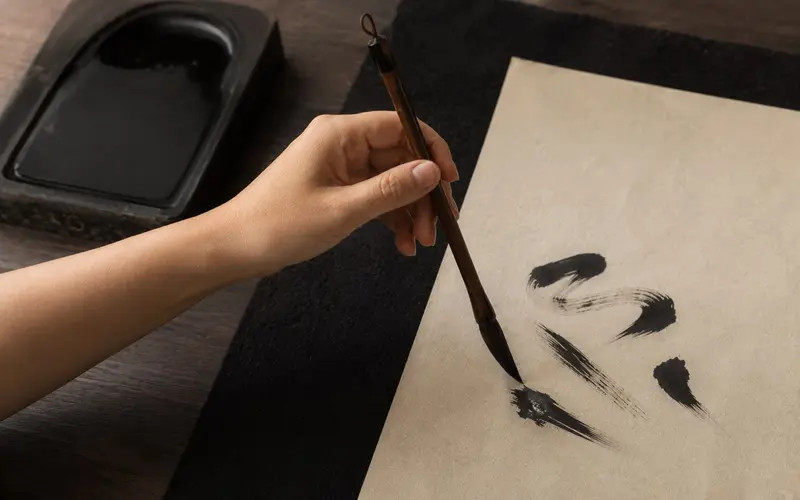
Can you do Japanese calligraphy left-handed? Yes. Why shodō is taught right-handed, why the brush makes switching easier than a pen, and how a lefty should practise.
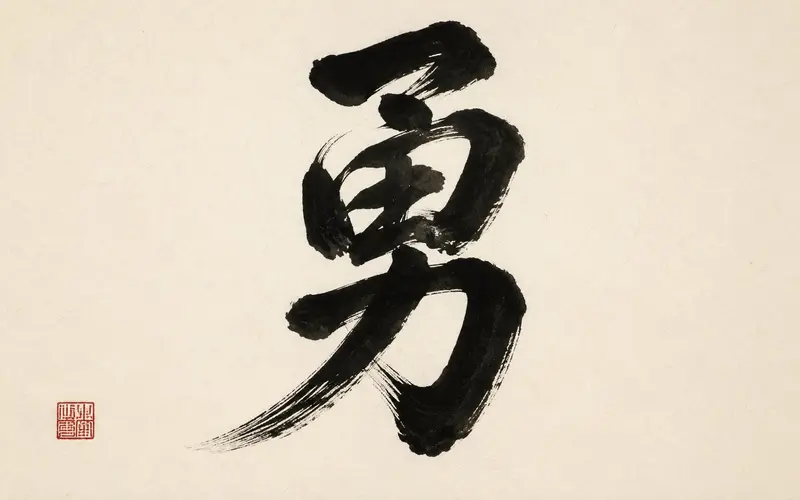
勇 means courage — and, like 勝, it is built on 力 (strength) at its base. The samurai virtue of brave action, the hero's character, and how to write it.
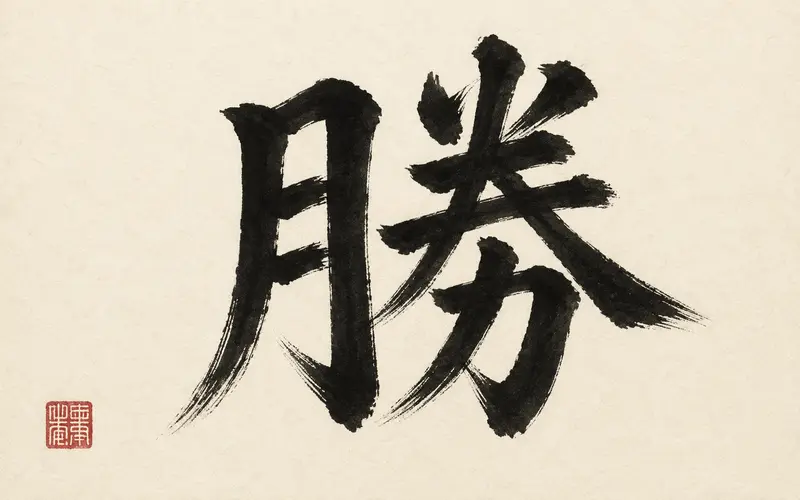
勝 means to win — and it carries the character for strength (力) at its base. Victory through power: what 勝 means, the phrase 必勝, and how to write it.
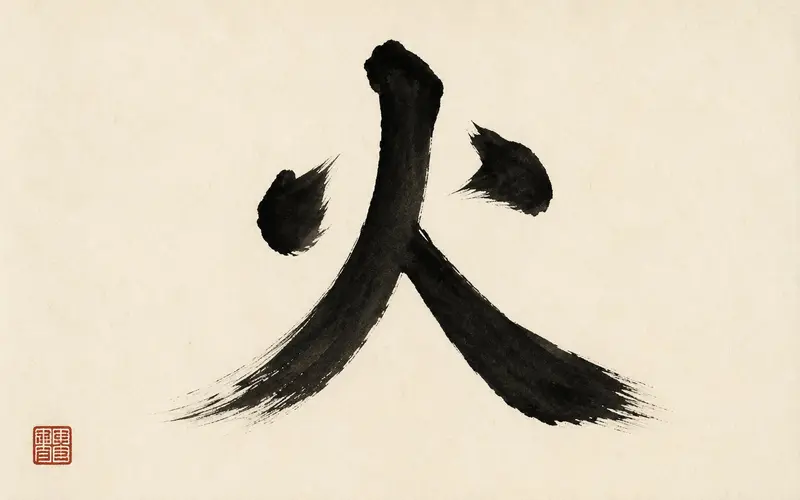
火 is a flame you can still see: a tongue of fire with two sparks. What 'fire' means across the Japanese elements, from volcanoes to fireworks, and how to write it.
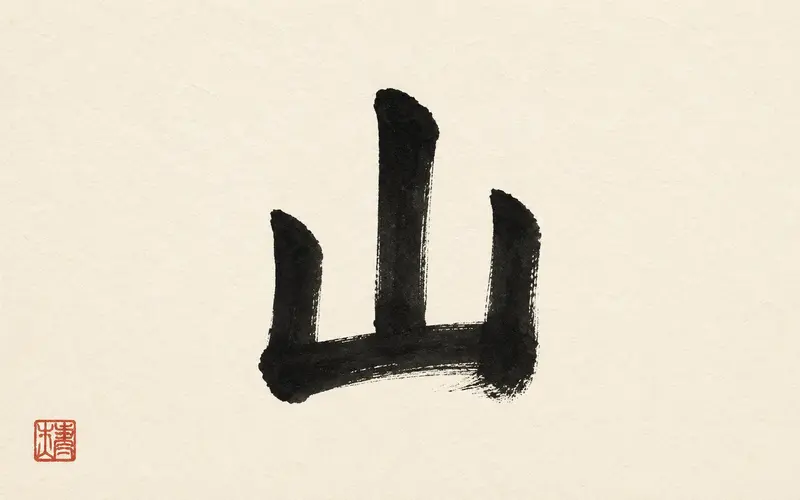
山 is the clearest picture in the whole writing system: three peaks you can still see. What 'mountain' means in a land where mountains are gods, and how to write it.
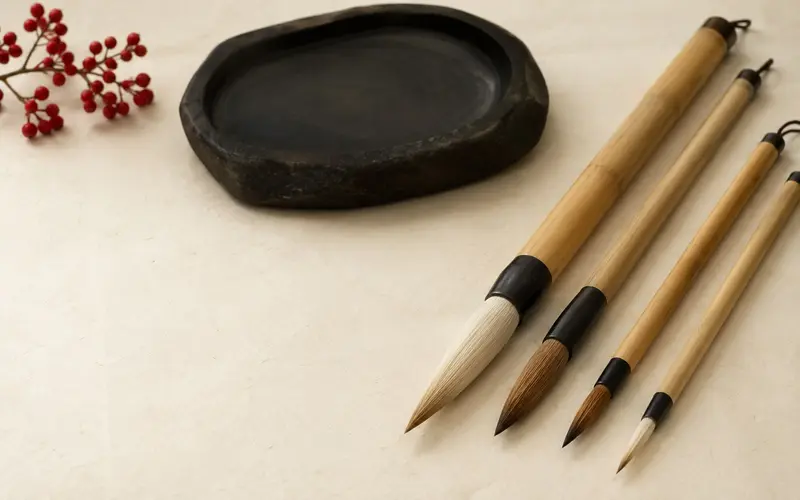
Dried ink is what kills a calligraphy brush. How to clean, reshape, and store a fude so a good brush lasts years instead of being ruined in a month.
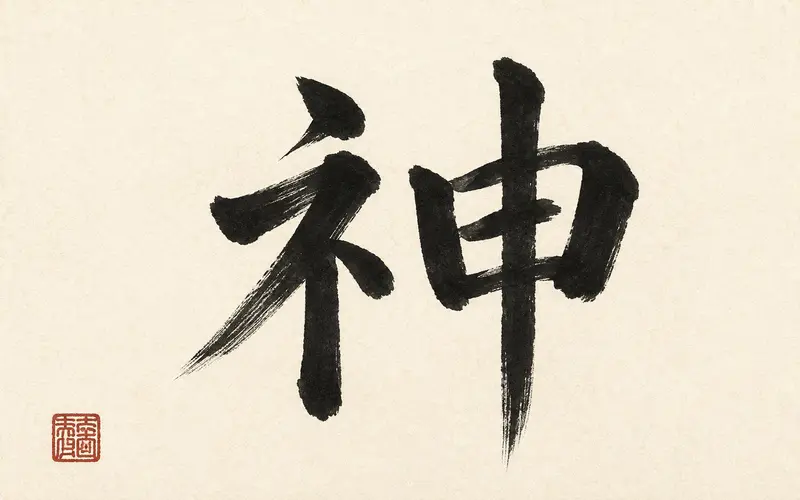
The kanji 神 joins an altar to an old lightning bolt: the divine shown as awesome power. What kami really means, from Shinto shrines to the thunder god.
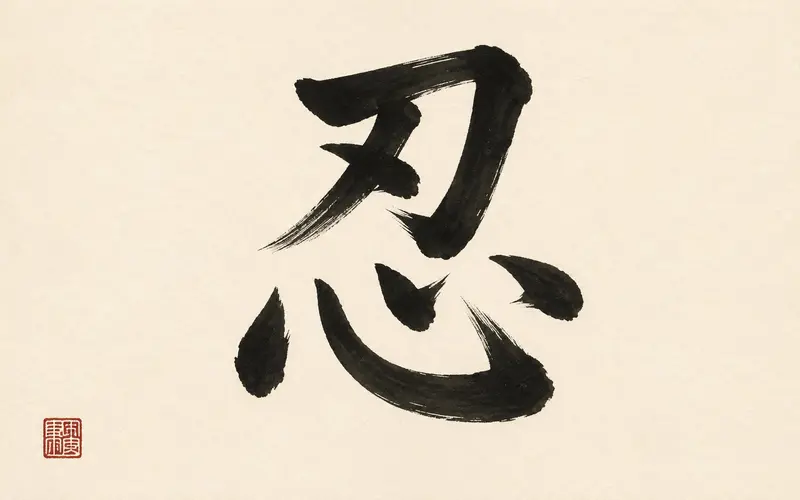
The kanji 忍 sets a blade over a heart: to endure is to bear what cuts. It names the ninja, the quiet virtue of forbearance, and a sharper, darker edge.