Posts
All the articles I've posted.
-
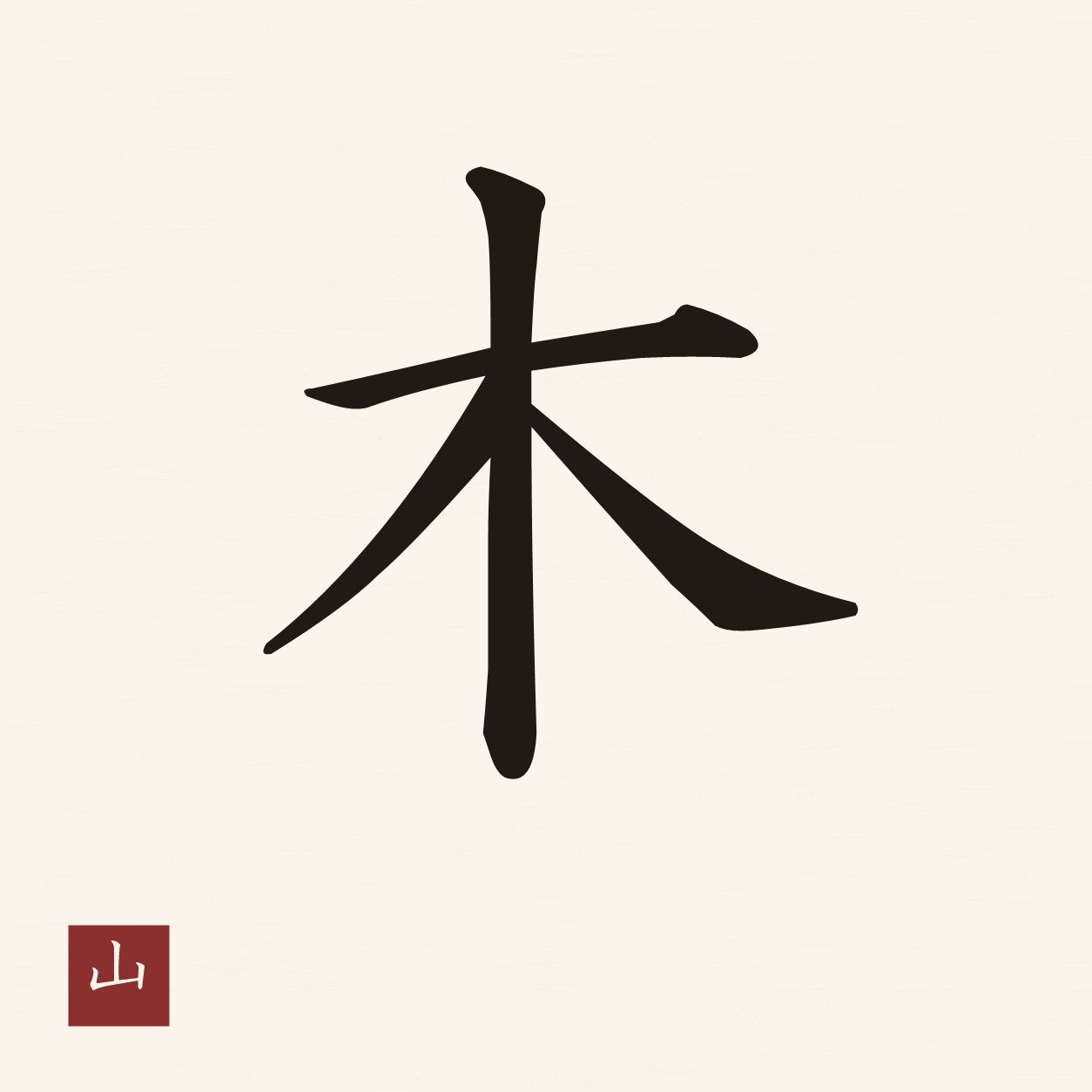
Tree Kanji (木): Meaning, Wood & How to Write It
By K. Yama木 is a tree pressed flat — trunk, branches, and roots in four strokes. How it stacks into 林 and 森, what the Wood element means, and how to write it.
Continue reading → -
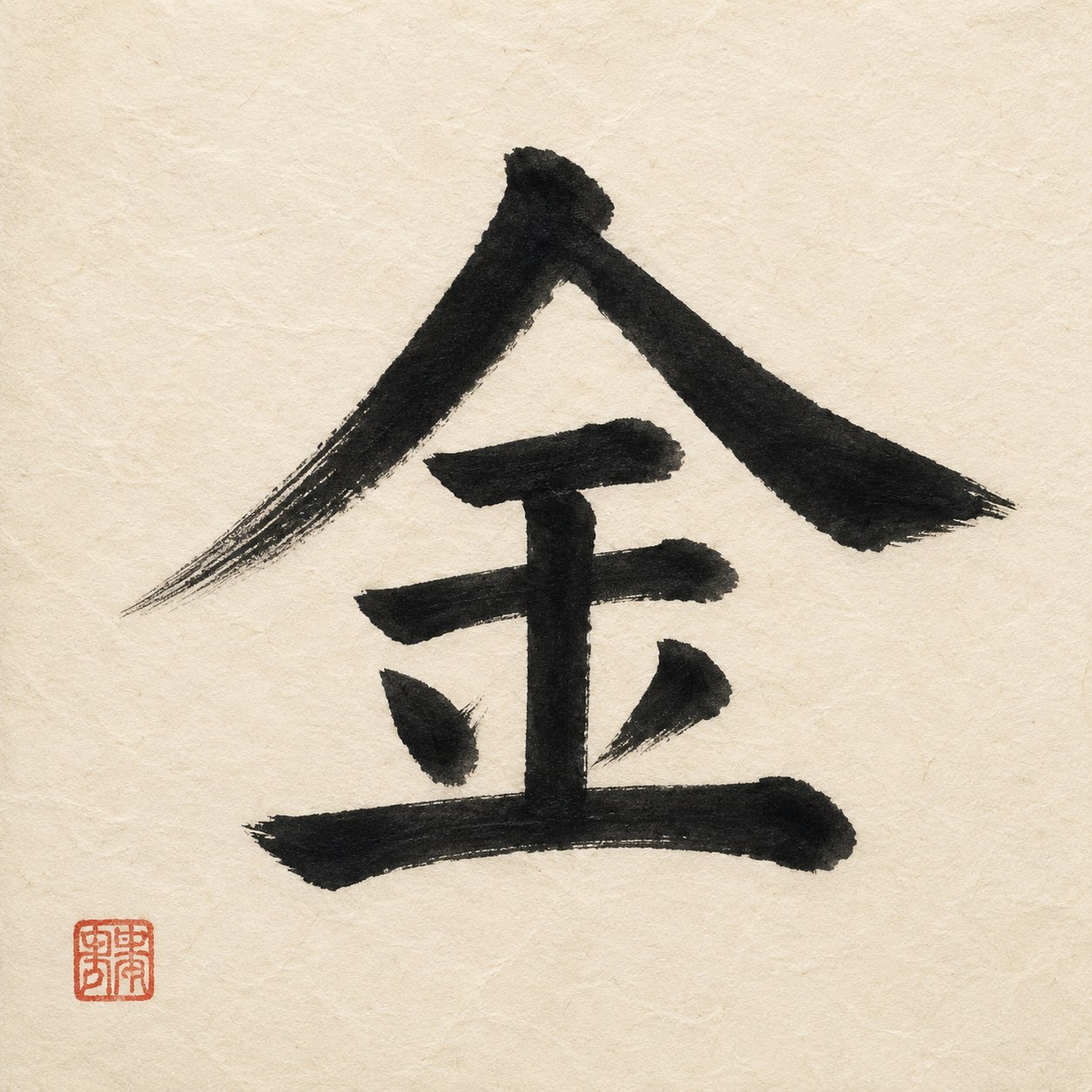
Gold Kanji (金): Gold, Money, Metal & How to Write It
By K. Yama金 means gold, money, and metal all at once — the parent of iron and silver, the metal of the five elements, and the gold of kintsugi. Its meaning and how to write it.
Continue reading → -
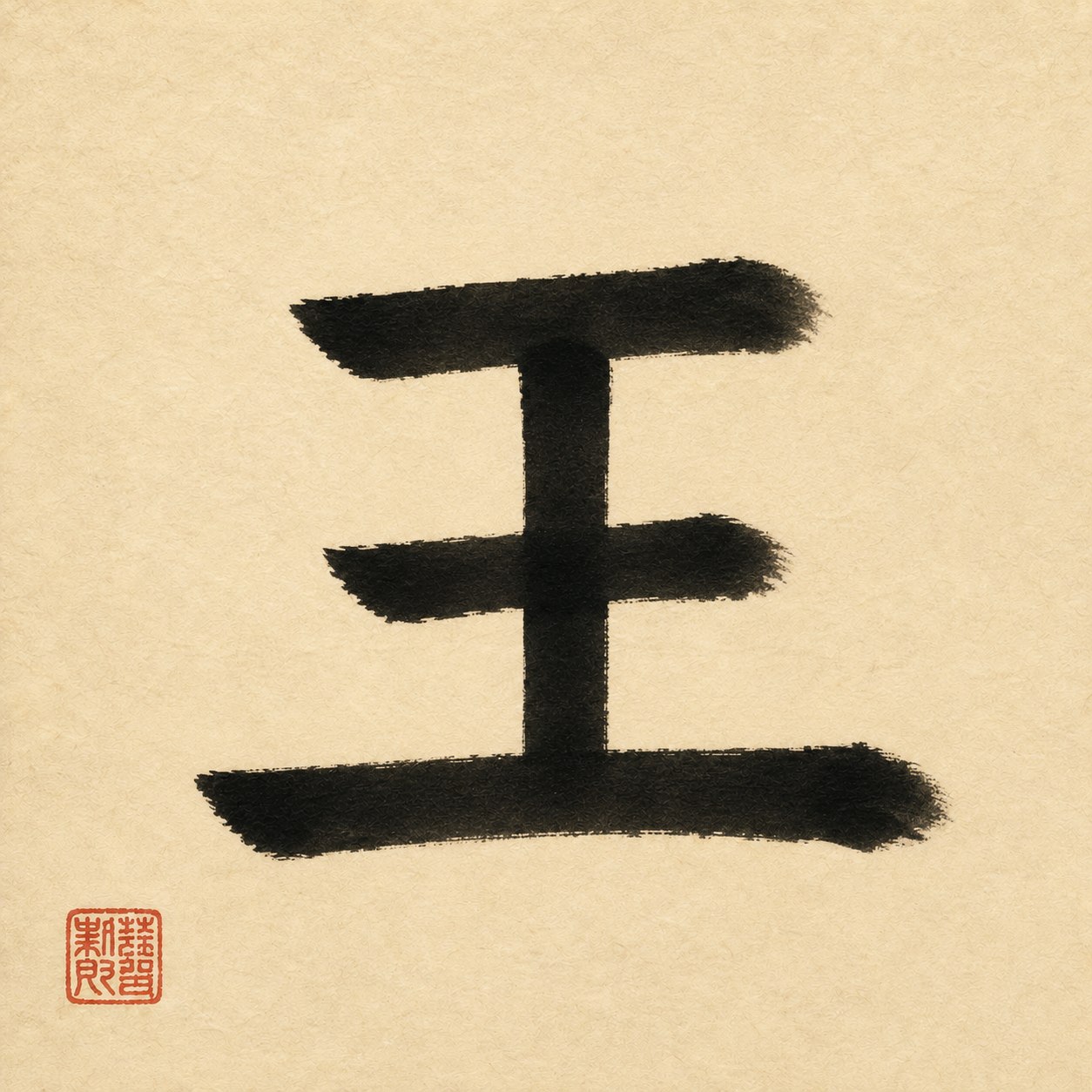
King Kanji (王): Meaning, the Three Lines & How to Write It
By K. Yama王 is three lines joined by one stroke — heaven, earth, and humanity, bound by the king who connects them. The real meaning, the axe behind it, and how to write it.
Continue reading → -
Left-Handed Japanese Calligraphy: Yes, You Can (Here's How)
By K. YamaCan you do Japanese calligraphy left-handed? Yes. Why shodō is taught right-handed, why the brush makes switching easier than a pen, and how a lefty should practise.
Continue reading → -
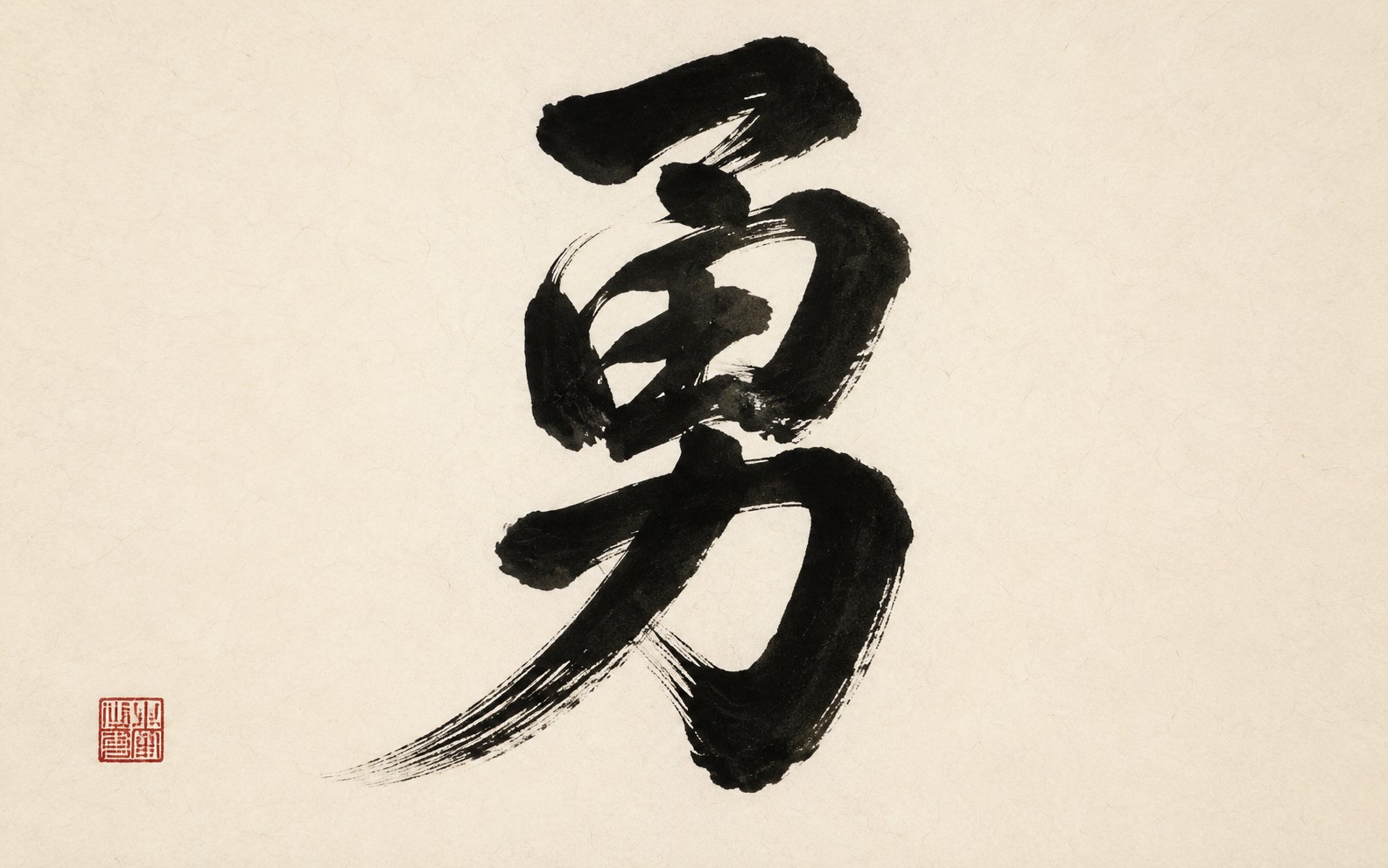
Courage Kanji (勇): Bravery, the Samurai Virtue & How to Write It
By K. Yama勇 means courage — and, like 勝, it is built on 力 (strength) at its base. The samurai virtue of brave action, the hero's character, and how to write it.
Continue reading → -
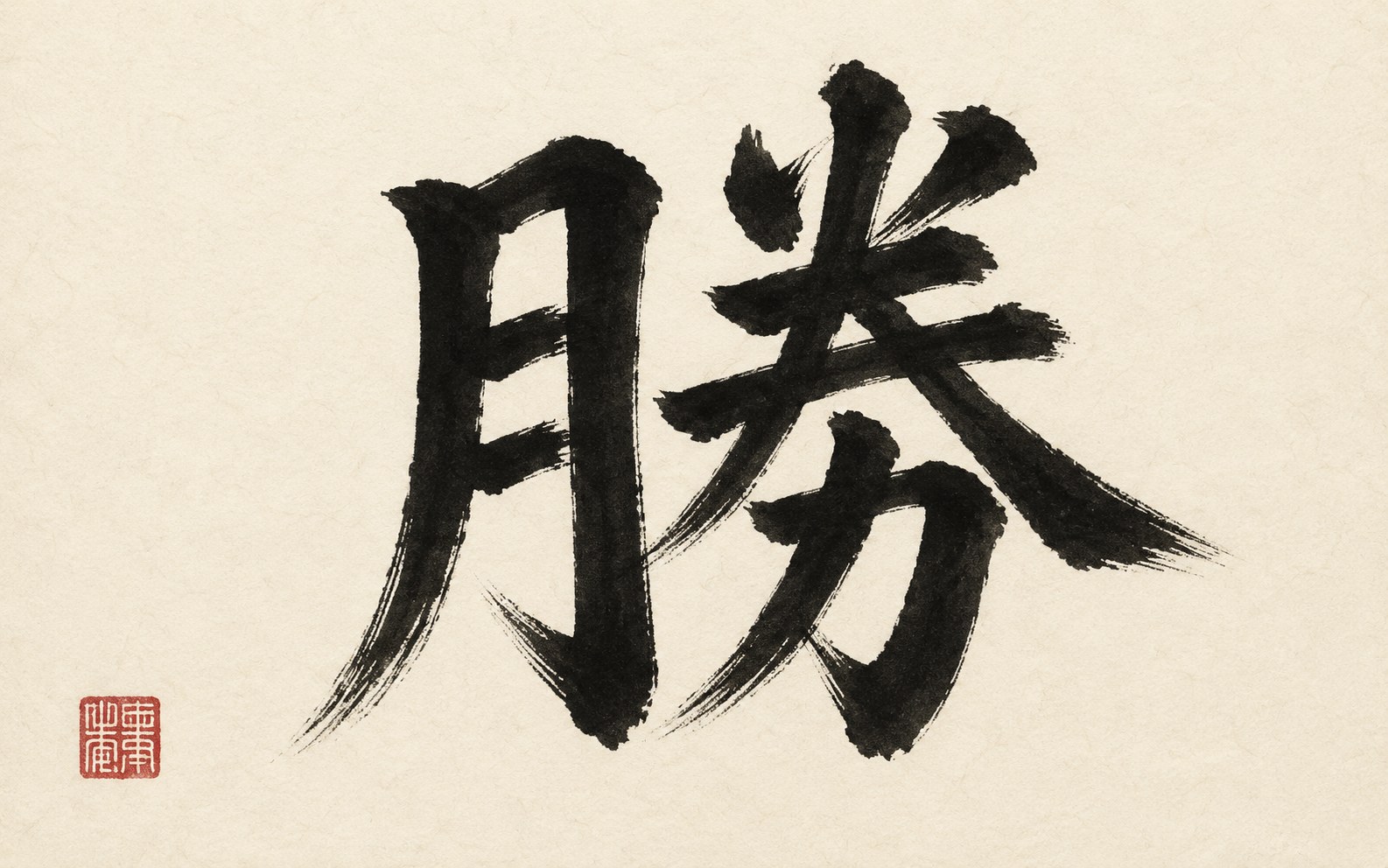
Victory Kanji (勝): Meaning, Winning & How to Write It
By K. Yama勝 means to win — and it carries the character for strength (力) at its base. Victory through power: what 勝 means, the phrase 必勝, and how to write it.
Continue reading → -
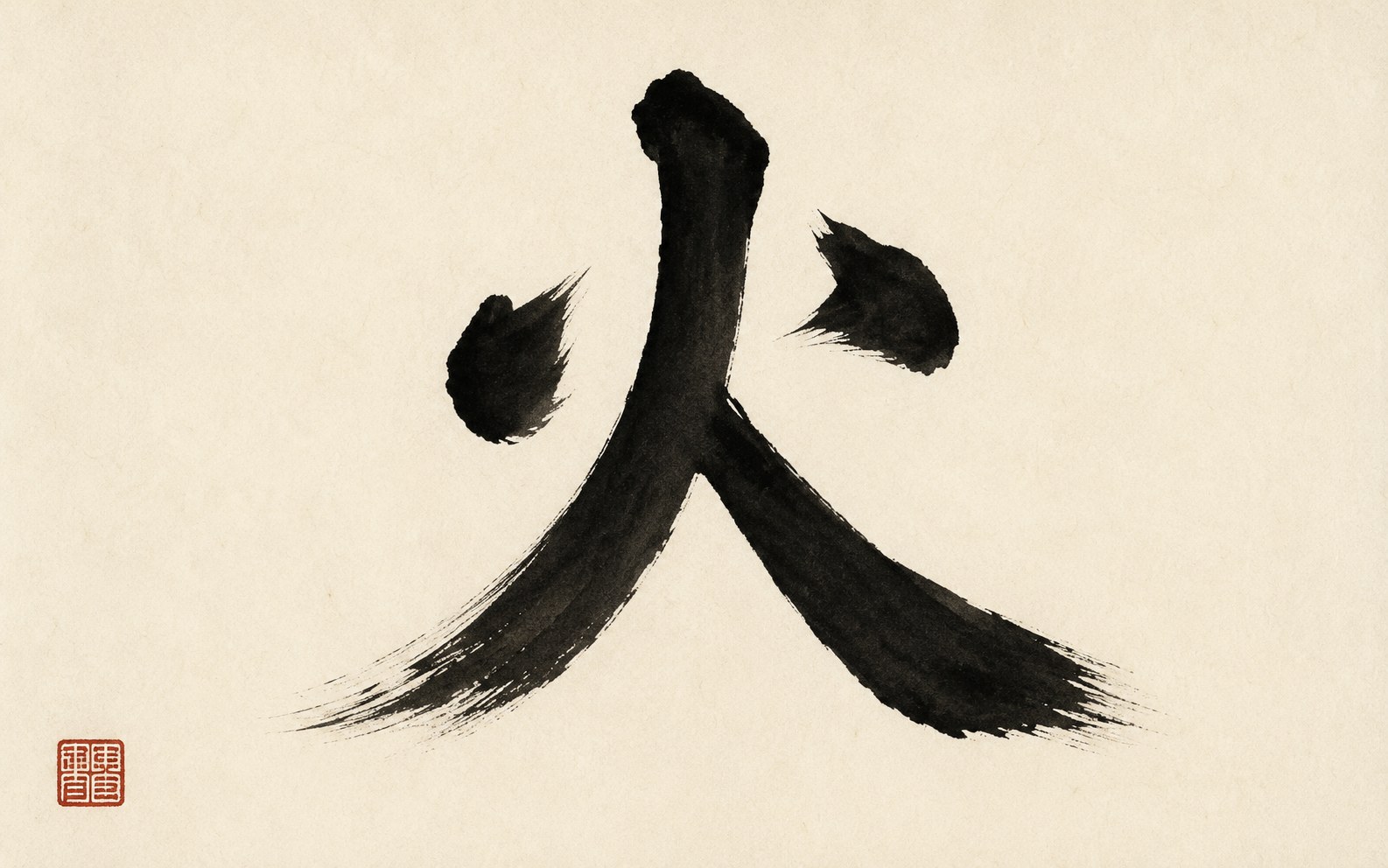
Fire Kanji (火): Meaning, the Elements & How to Write It
By K. Yama火 is a flame you can still see: a tongue of fire with two sparks. What 'fire' means across the Japanese elements, from volcanoes to fireworks, and how to write it.
Continue reading → -
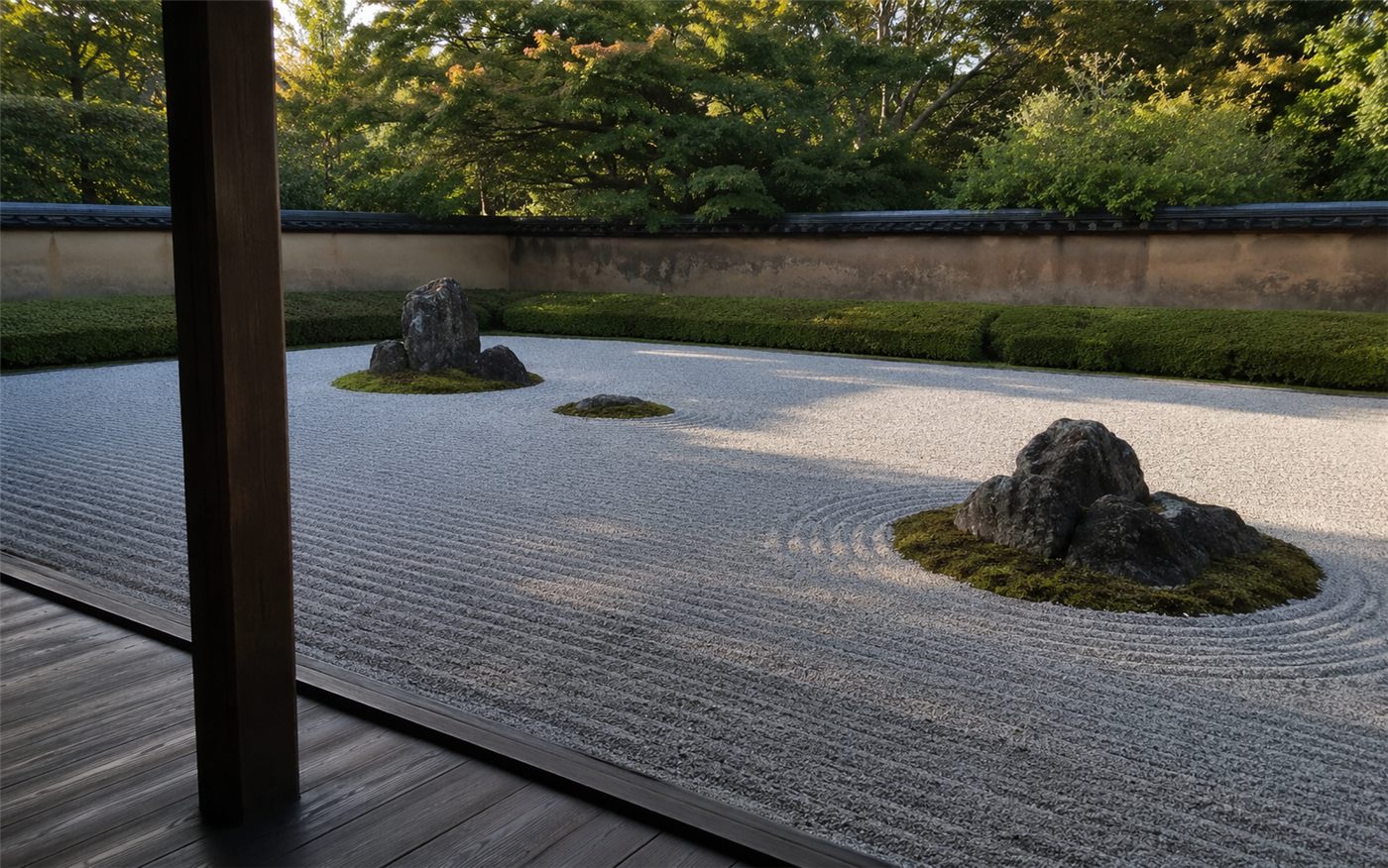
Japanese Gardens (日本庭園): The Types and the Hidden Rules
By K. YamaA Japanese garden is not a garden with a red bridge. It is idealised nature, utterly controlled to look natural. The real types, and the rules you can't see.
Continue reading → -
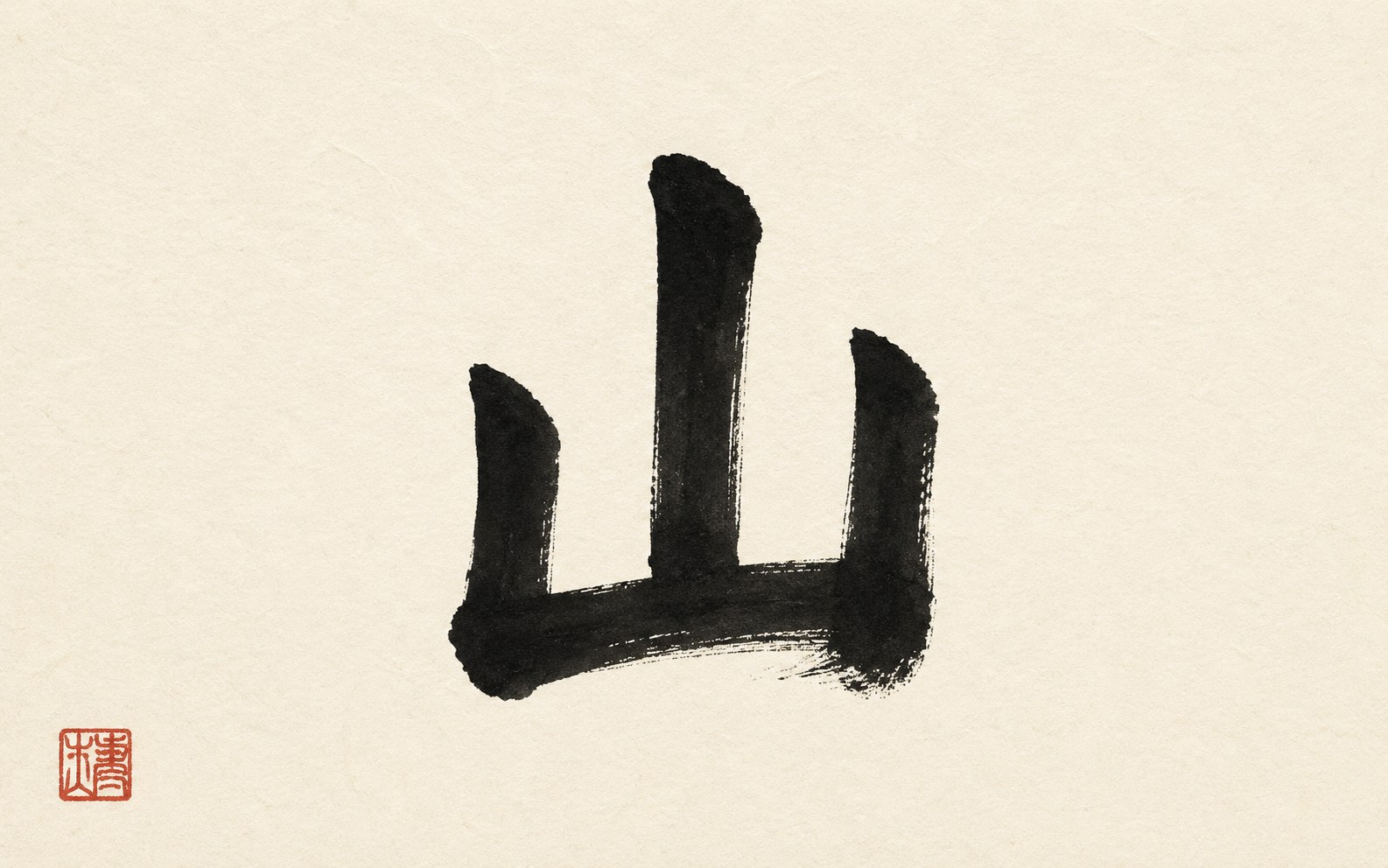
Mountain Kanji (山): Meaning, Mount Fuji & How to Write It
By K. Yama山 is the clearest picture in the whole writing system: three peaks you can still see. What 'mountain' means in a land where mountains are gods, and how to write it.
Continue reading → -
How to Clean & Care for a Japanese Calligraphy Brush
By K. YamaDried ink is what kills a calligraphy brush. How to clean, reshape, and store a fude so a good brush lasts years instead of being ruined in a month.
Continue reading →