Tag: beginner
All the articles with the tag "beginner".
-
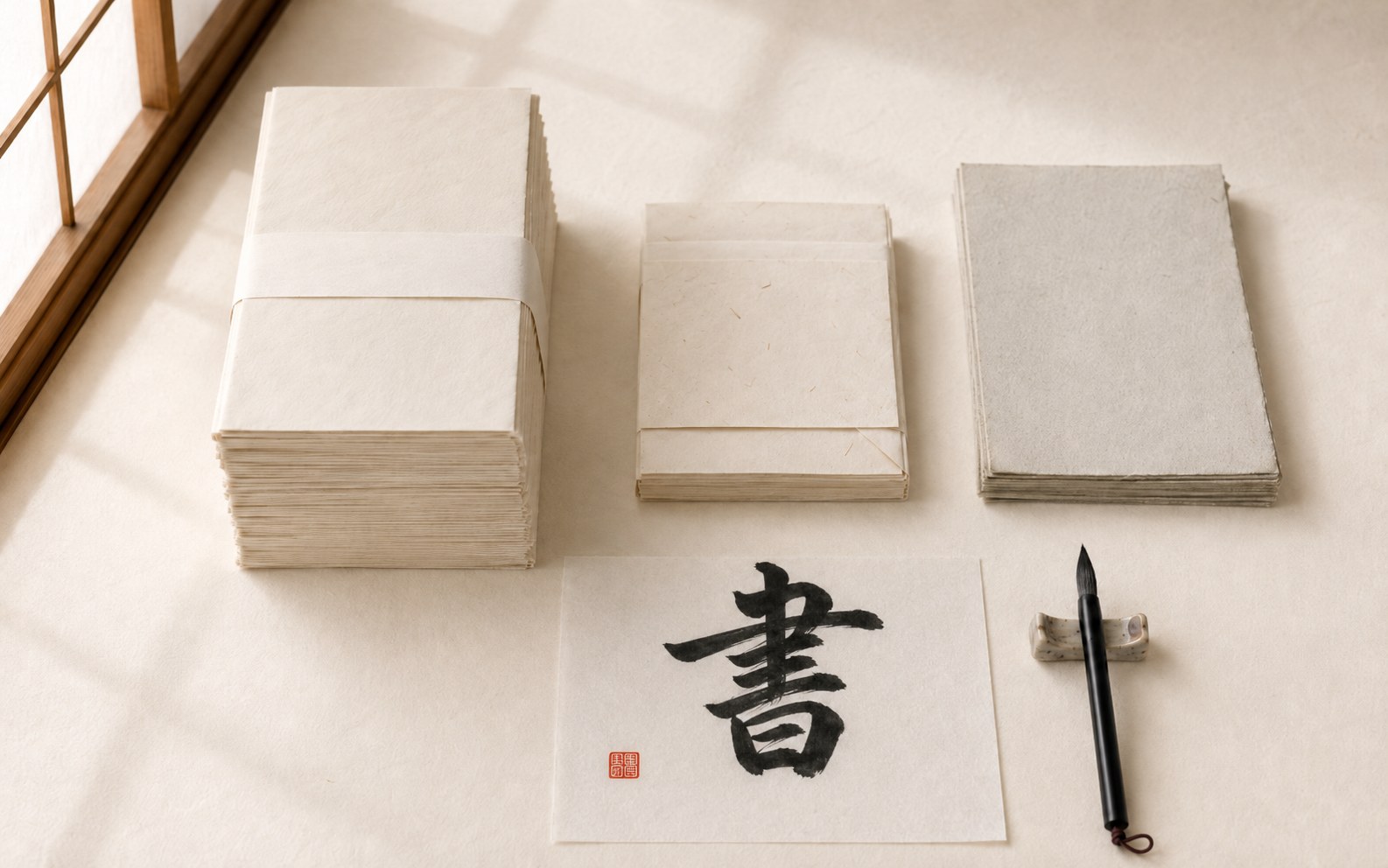
Best Calligraphy Paper for Practice (2026): 3 Picks
By K. YamaUpdated:Practice paper is the cheapest thing in shodō and the easiest to buy wrong. A Japanese calligrapher compares what to buy for your first months at the brush.
Continue reading → -
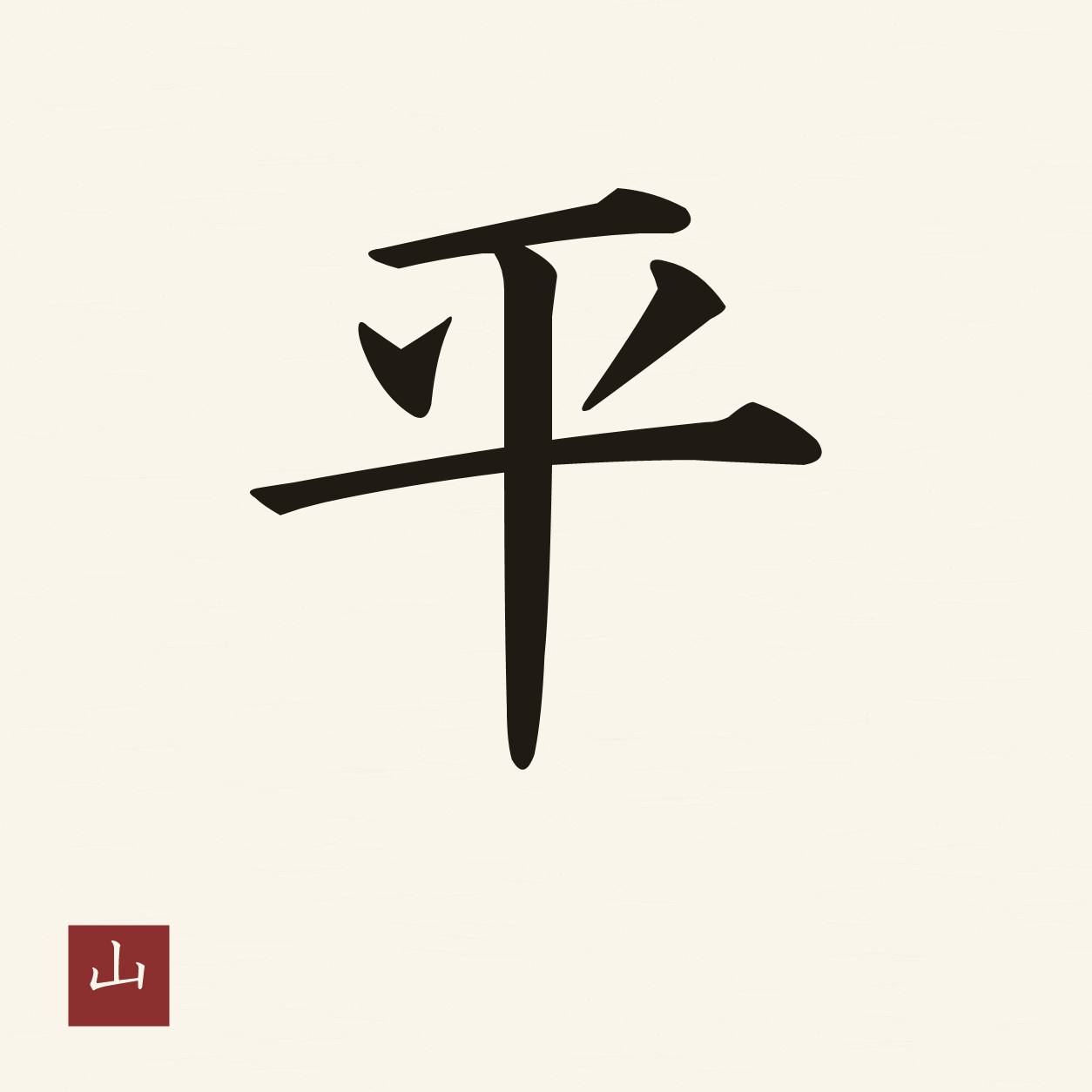
Peace Kanji (平): Calm, Even & How to Write It
By K. Yama平 means flat, level, even — and from there, calm and peace. The 平 in 平和 (peace), 平等 (equality), and 平安 (the Heian era), and how to write it.
Continue reading → -
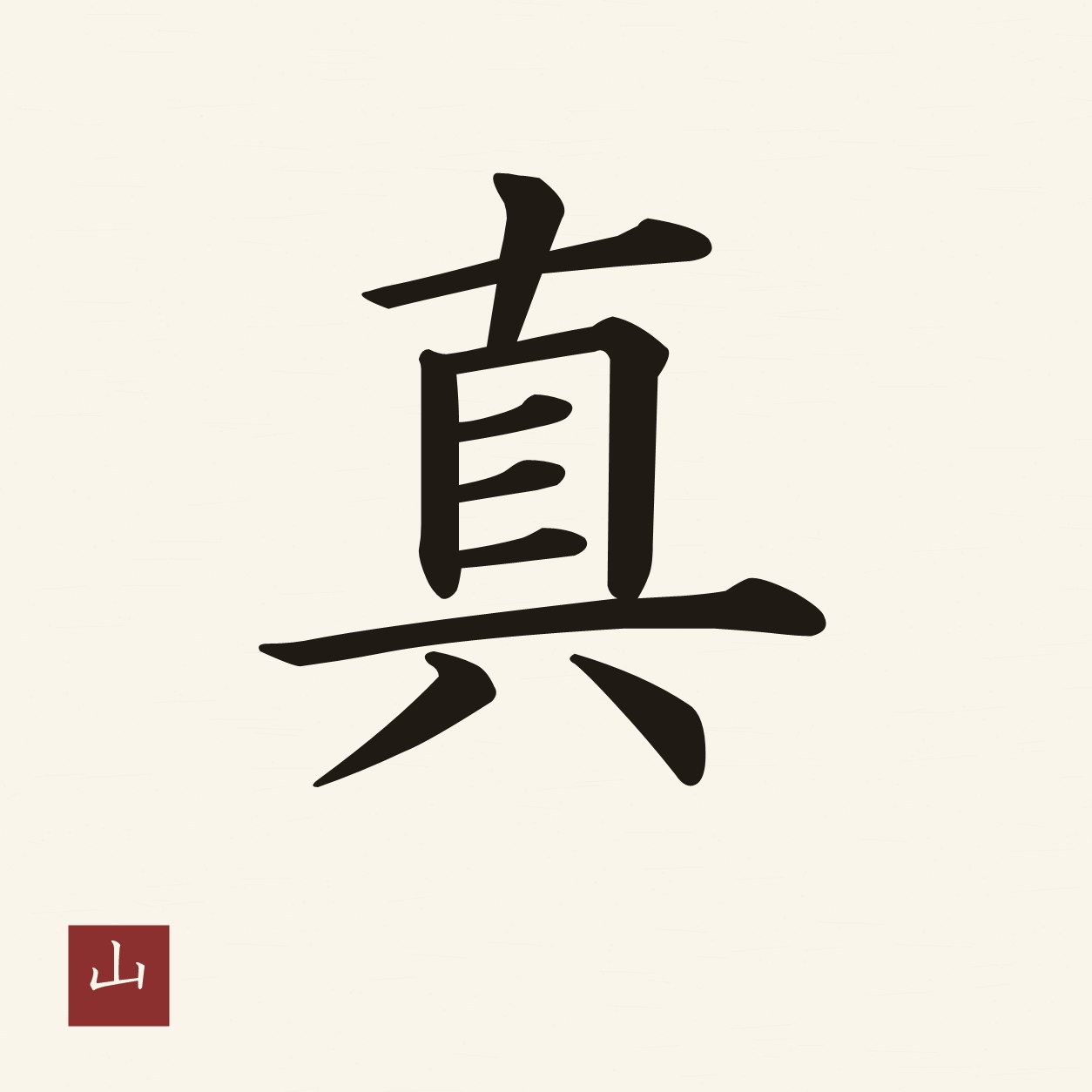
Truth Kanji (真): Real, Genuine & How to Write It
By K. Yama真 means true, real, genuine — the opposite of fake. Why it hides in 写真 (photograph) and 真面目 (earnest), how it differs from 誠, and how to write it.
Continue reading → -
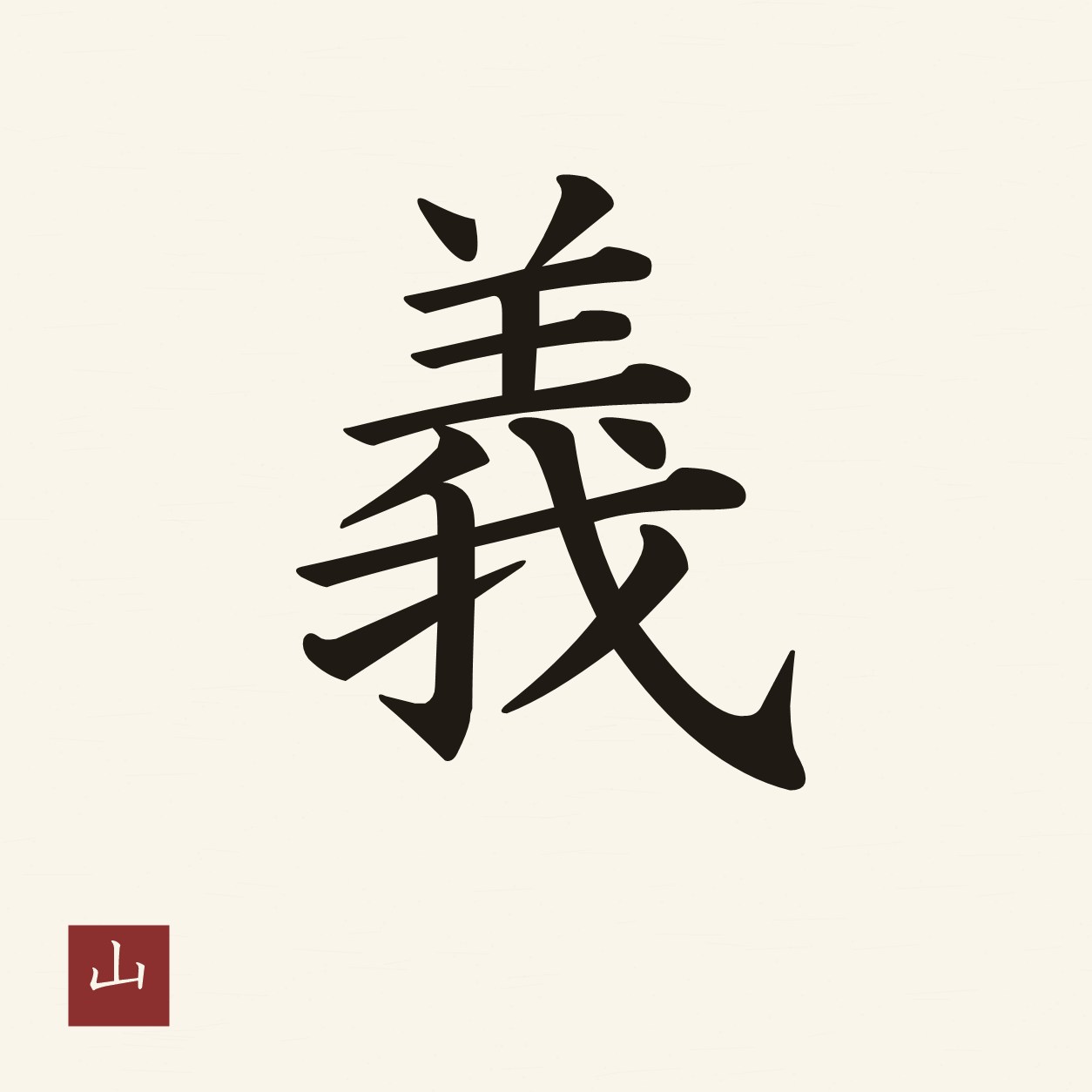
Righteousness Kanji (義): Honor, Duty & How to Write It
By K. Yama義 is the samurai's first virtue: righteousness, honor, duty — doing what is right whatever it costs. From the 47 rōnin to 義理, what 義 means and how to write it.
Continue reading → -
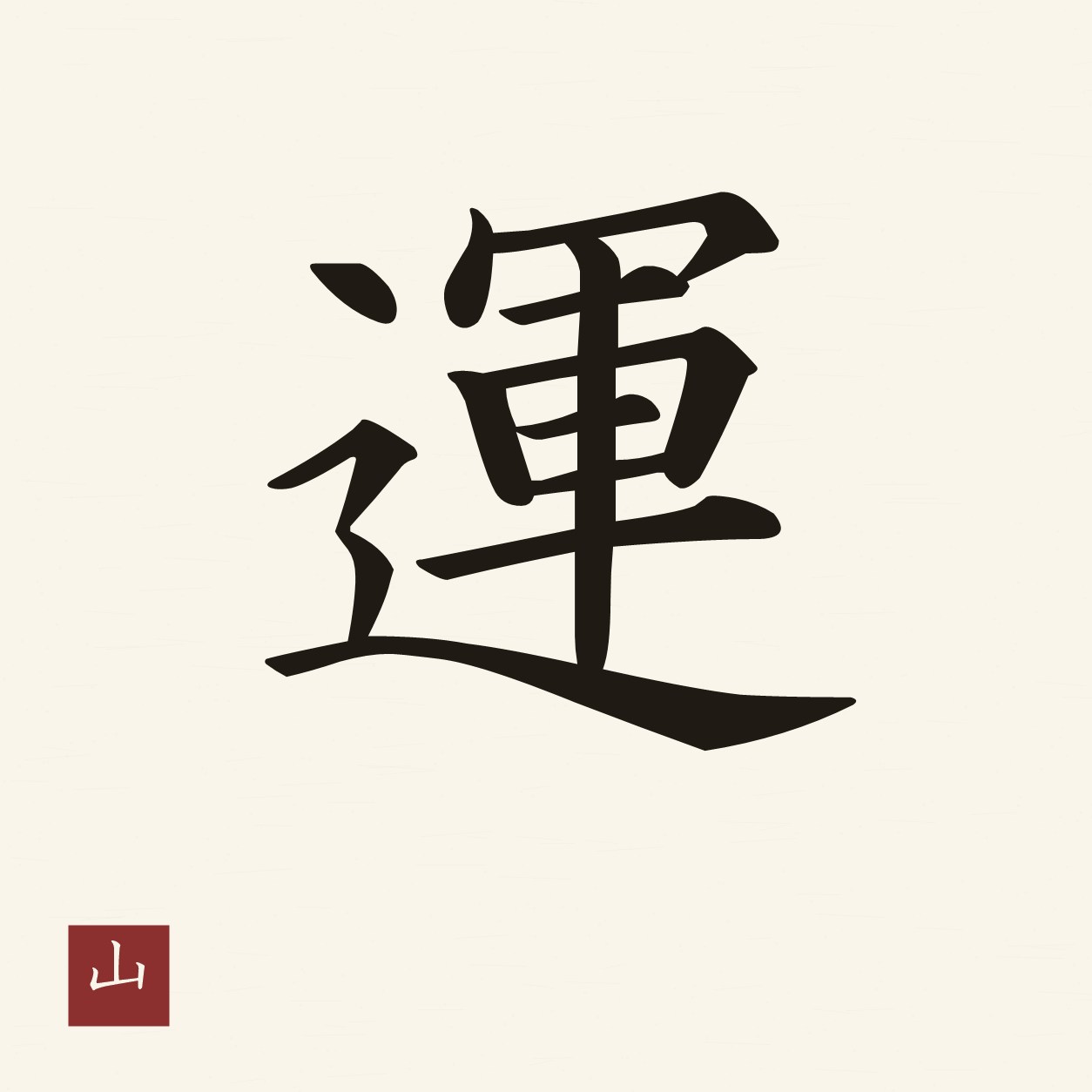
Luck Kanji (運): Fortune, Fate & How to Write It
By K. Yama運 means luck and fate — but began as 'to carry.' How fortune's movement turned a transport word into the kanji on every 開運 charm, and how to write 運.
Continue reading → -
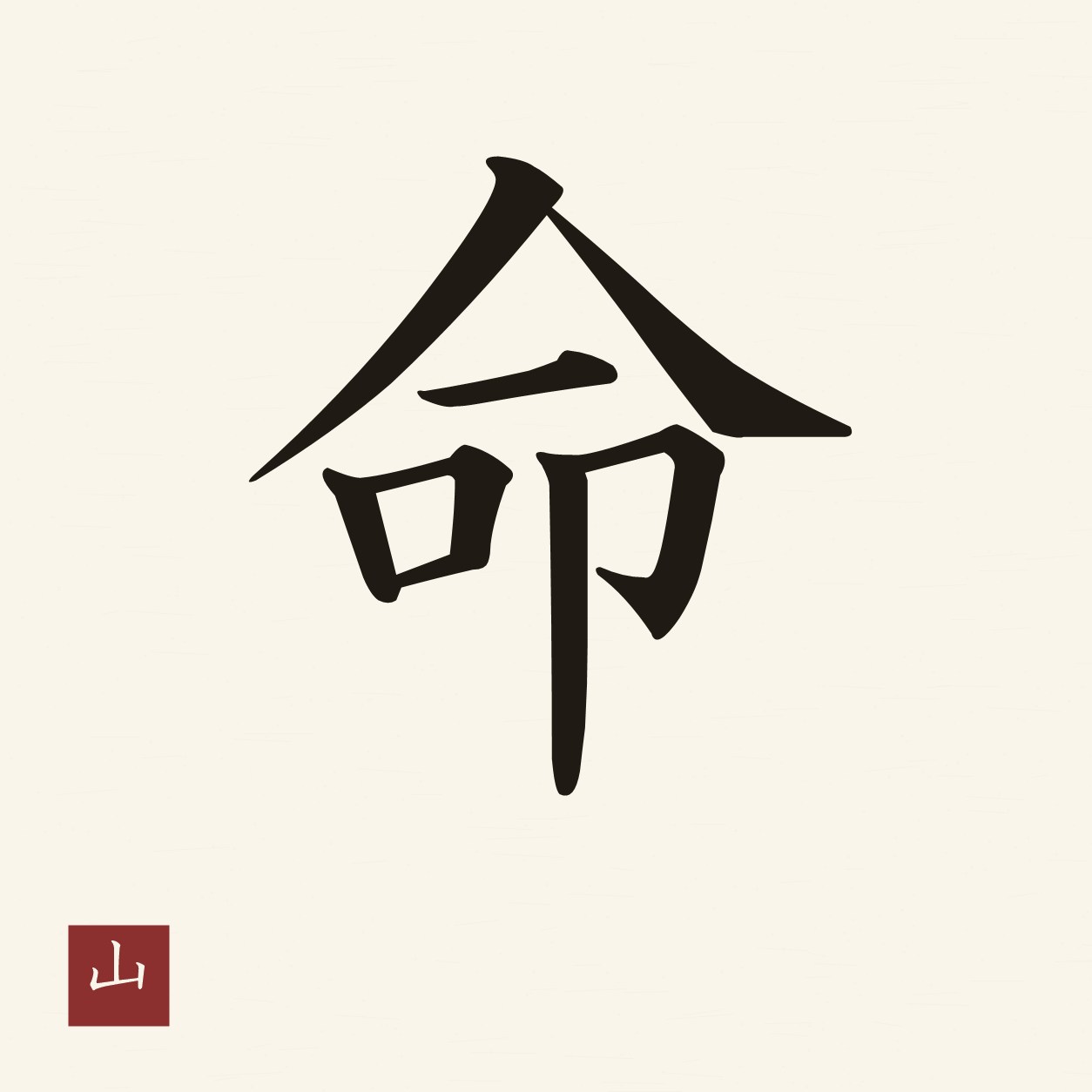
Life Kanji (命): Life, Fate & How to Write It
By K. Yama命 is the weightiest word for life in Japanese — the life you could lose — and also a command and one's fate. From 一生懸命 to 運命, what 命 means and how to write it.
Continue reading → -
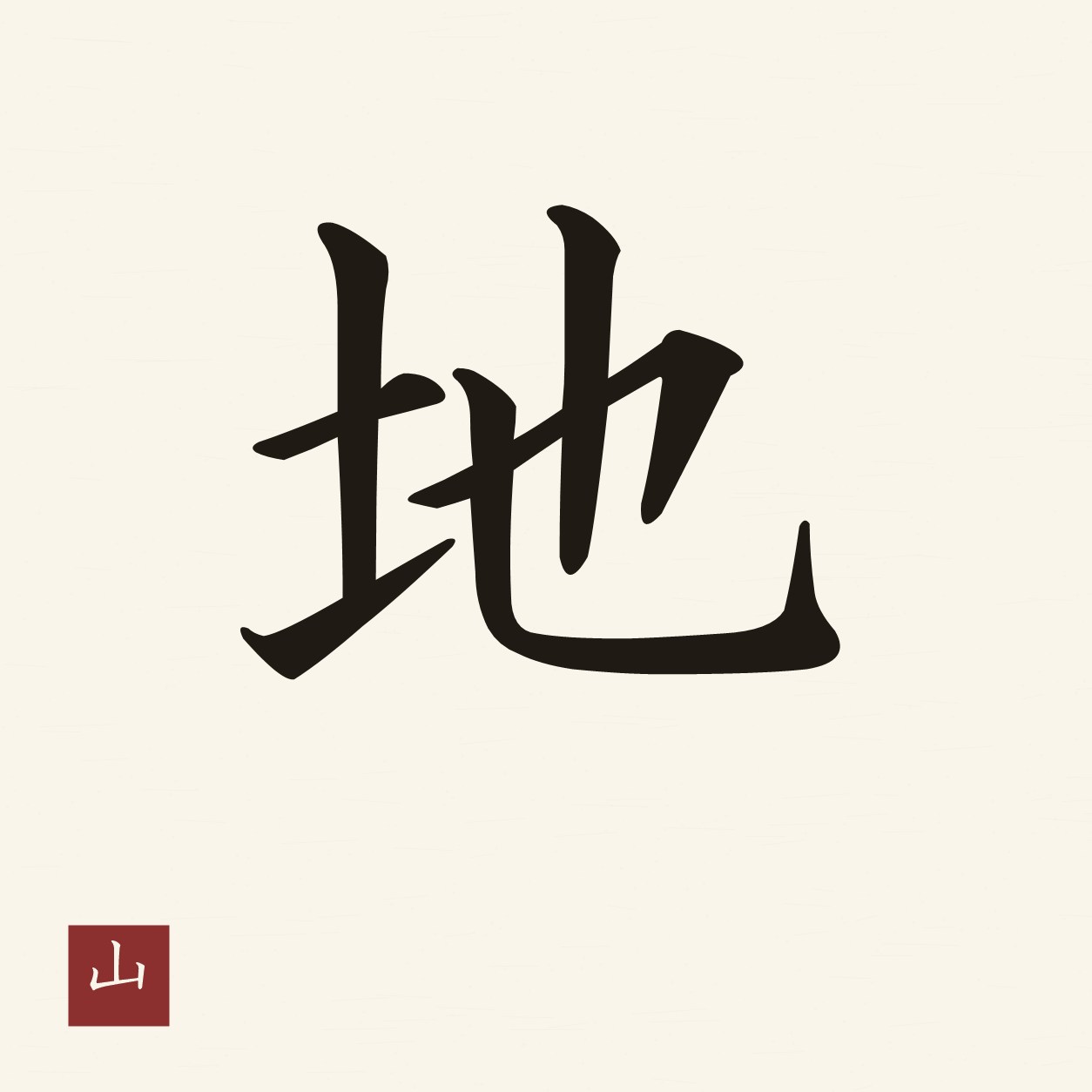
Ground Kanji (地): Earth, Land & How to Write It
By K. Yama地 is the ground, the land, the earth as a place — from 地球, the planet, to 地震, an earthquake. How 地 differs from 土, what it means, and how to write it.
Continue reading → -
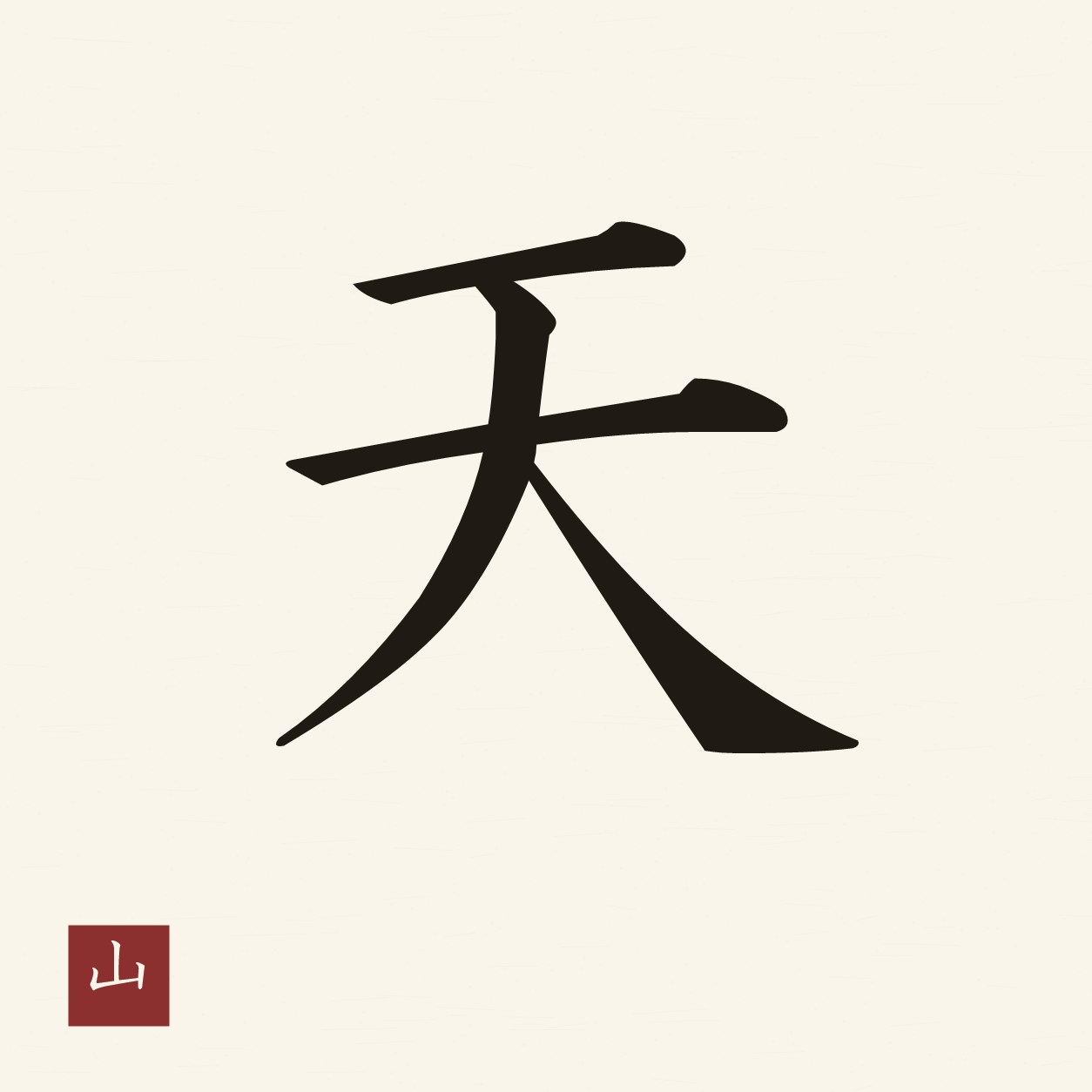
Heaven Kanji (天): Sky, Heaven & How to Write It
By K. Yama天 is one line drawn above a standing person — the sky overhead, heaven, the divine, and fate. What 天 means from 天気 to 天皇, and how to write it.
Continue reading → -
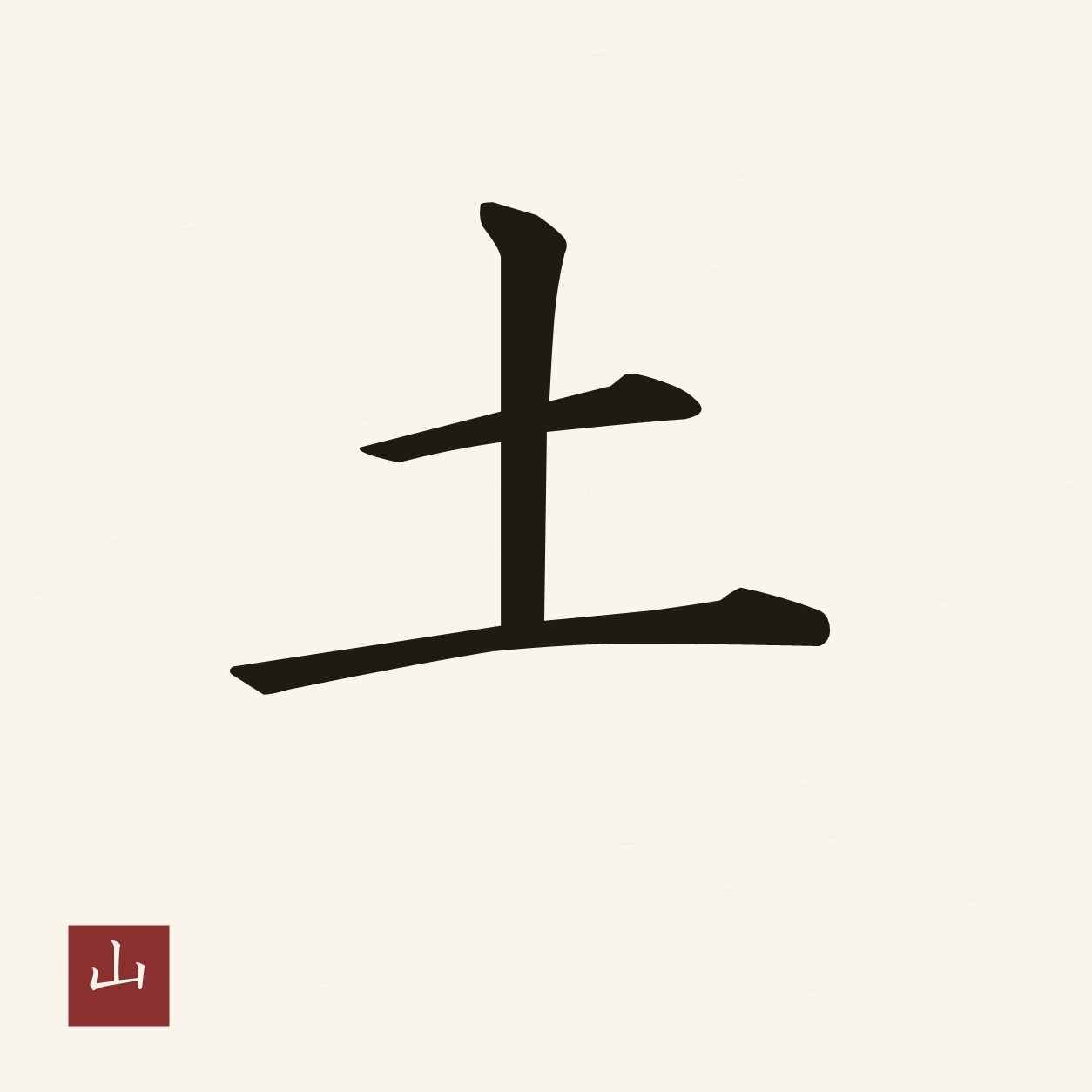
Earth Kanji (土): Soil, the Ground & How to Write It
By K. Yama土 means soil, earth, and the ground — the Earth element and Saturday. Lengthen one stroke and it becomes 士, samurai. What 土 means, and how to write it.
Continue reading → -
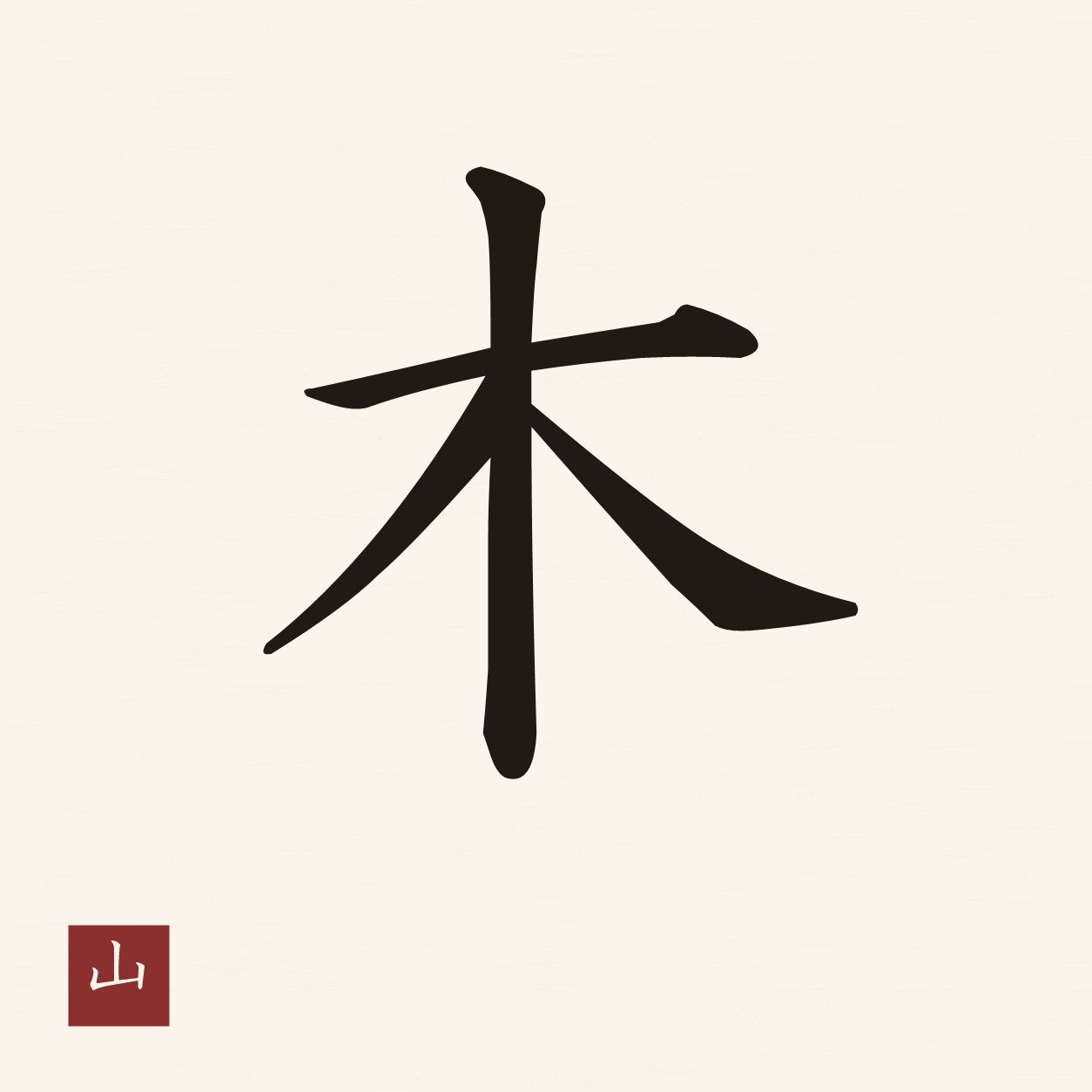
Tree Kanji (木): Meaning, Wood & How to Write It
By K. Yama木 is a tree pressed flat — trunk, branches, and roots in four strokes. How it stacks into 林 and 森, what the Wood element means, and how to write it.
Continue reading →