Tag: shodo
All the articles with the tag "shodo".
-
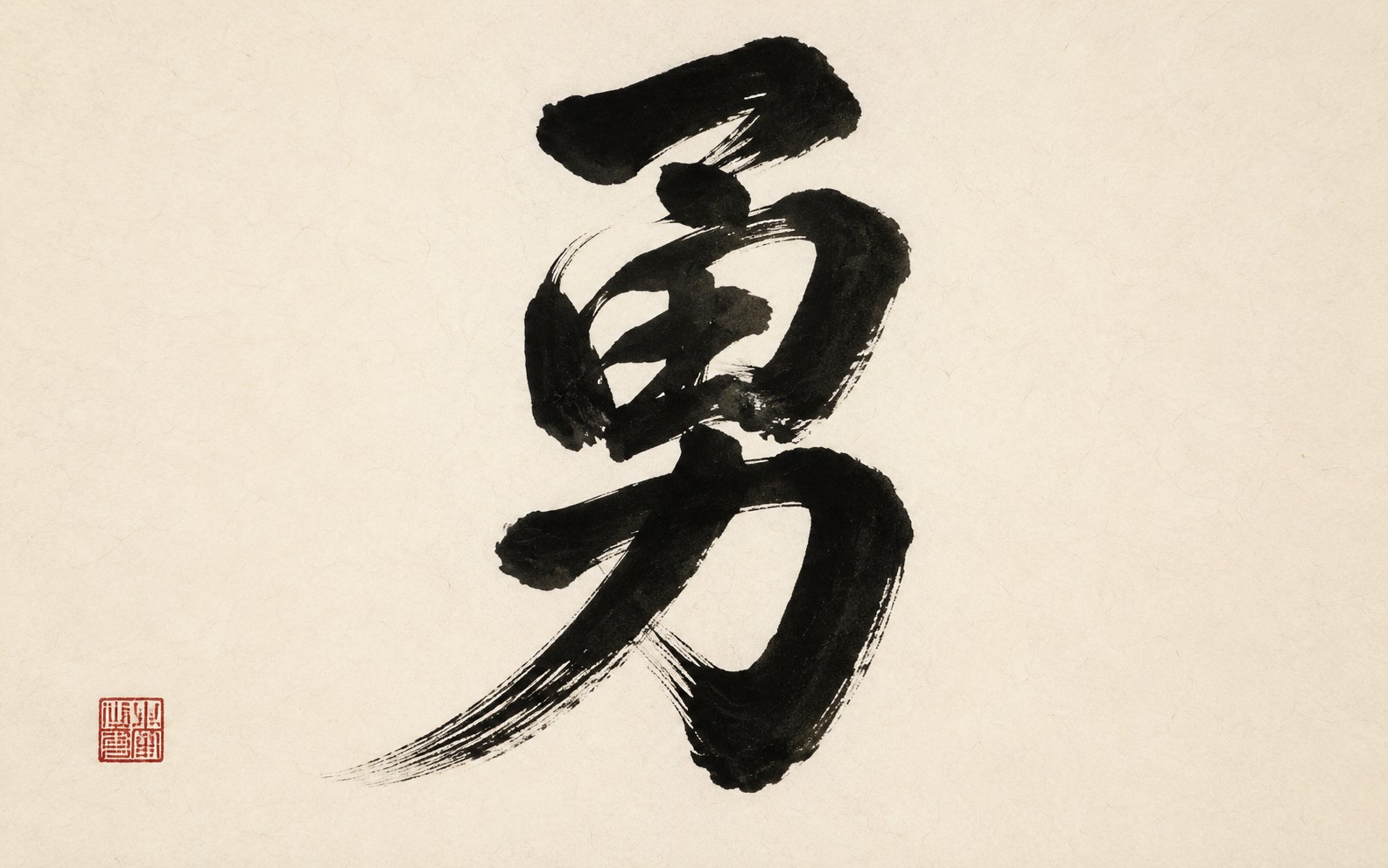
Courage Kanji (勇): Bravery, the Samurai Virtue & How to Write It
By K. Yama勇 means courage — and, like 勝, it is built on 力 (strength) at its base. The samurai virtue of brave action, the hero's character, and how to write it.
Continue reading → -
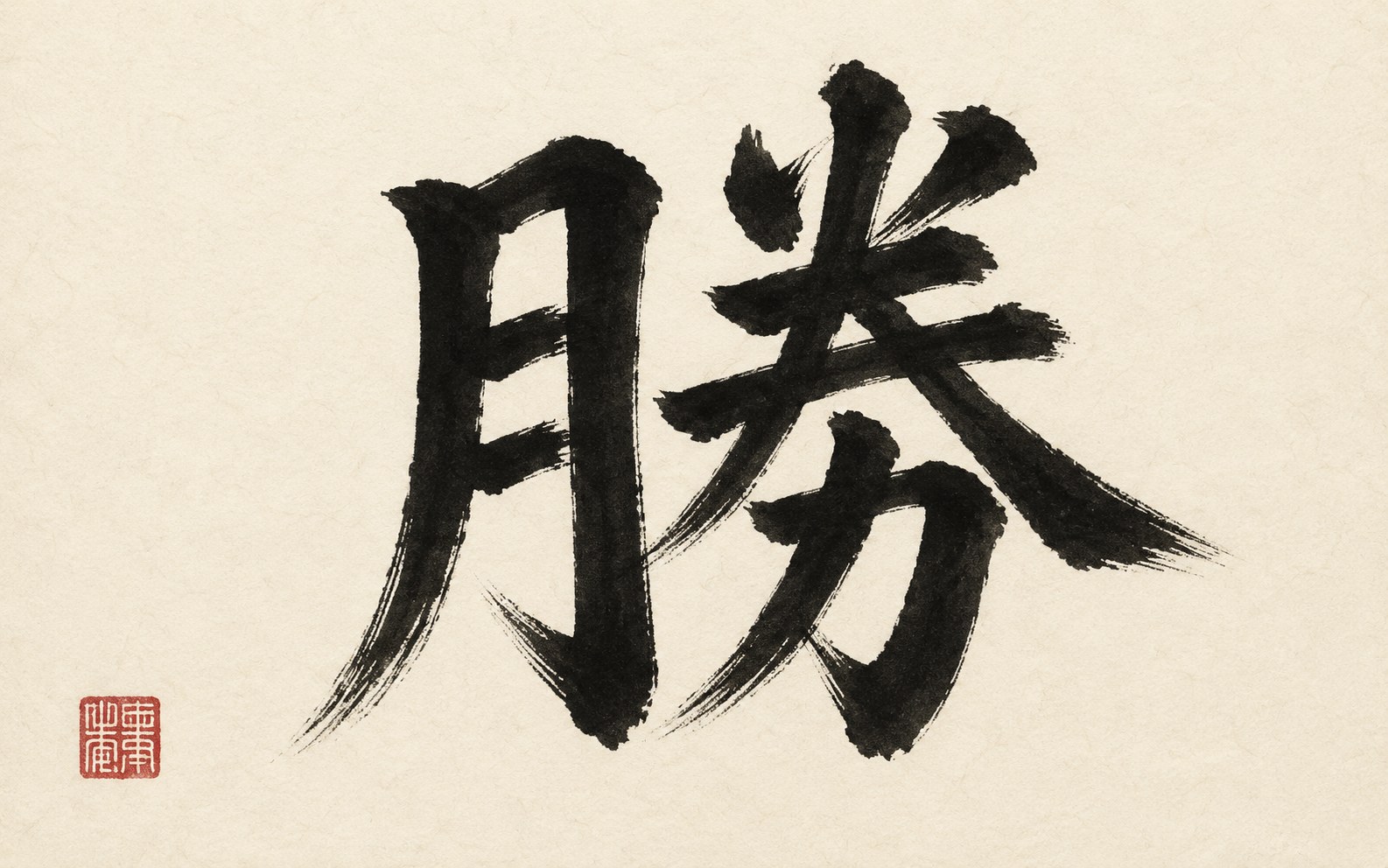
Victory Kanji (勝): Meaning, Winning & How to Write It
By K. Yama勝 means to win — and it carries the character for strength (力) at its base. Victory through power: what 勝 means, the phrase 必勝, and how to write it.
Continue reading → -
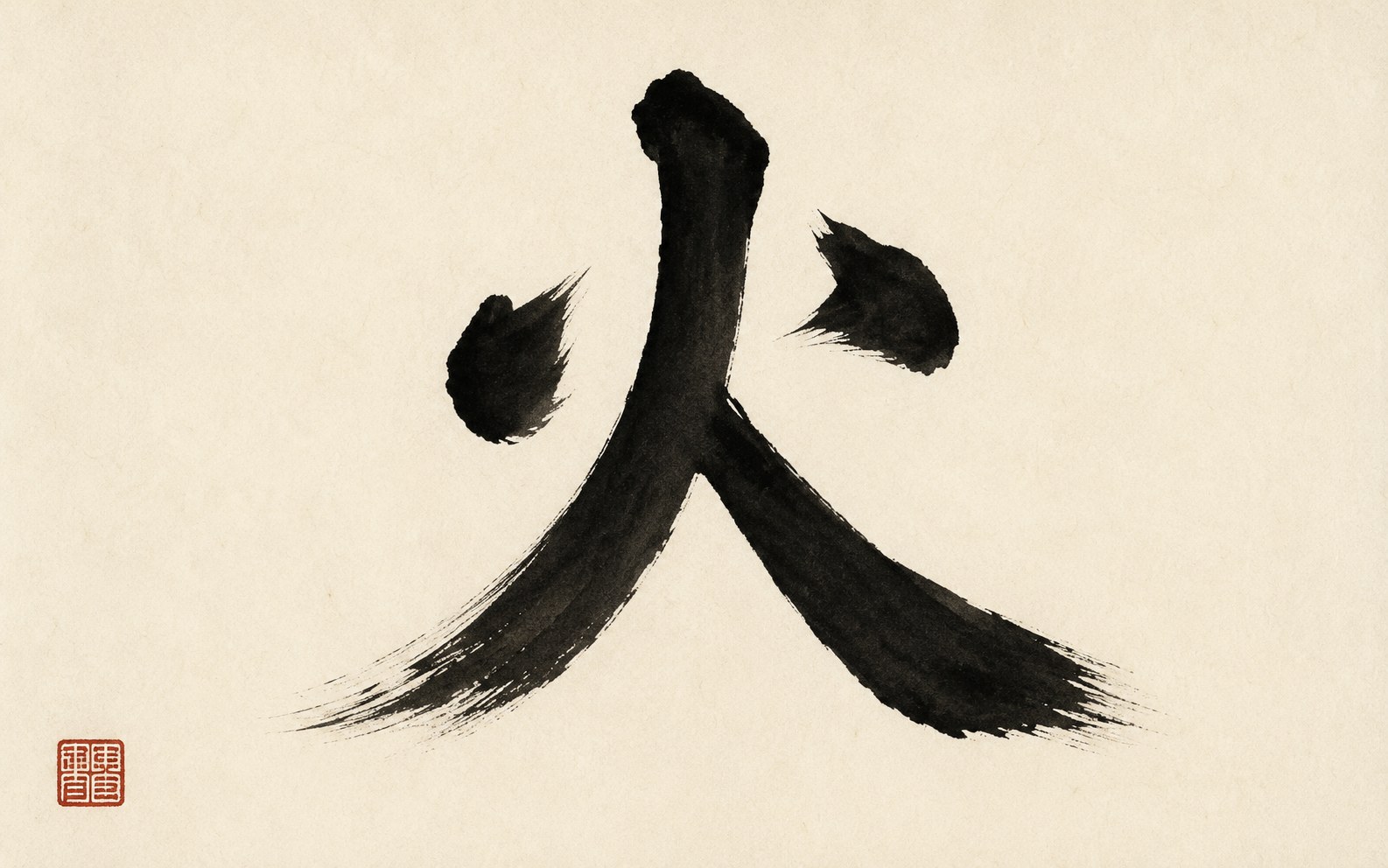
Fire Kanji (火): Meaning, the Elements & How to Write It
By K. Yama火 is a flame you can still see: a tongue of fire with two sparks. What 'fire' means across the Japanese elements, from volcanoes to fireworks, and how to write it.
Continue reading → -
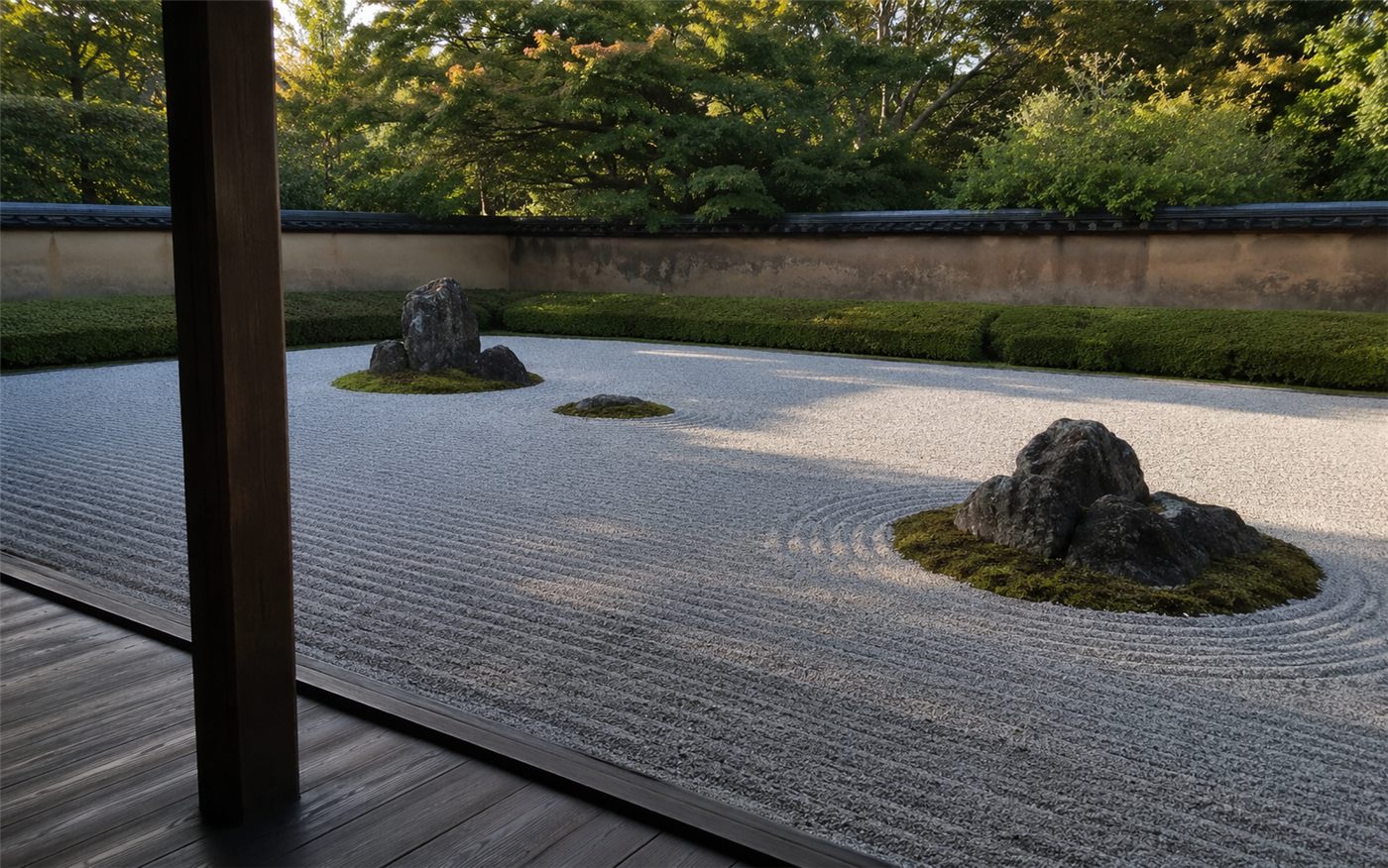
Japanese Gardens (日本庭園): The Types and the Hidden Rules
By K. YamaA Japanese garden is not a garden with a red bridge. It is idealised nature, utterly controlled to look natural. The real types, and the rules you can't see.
Continue reading → -
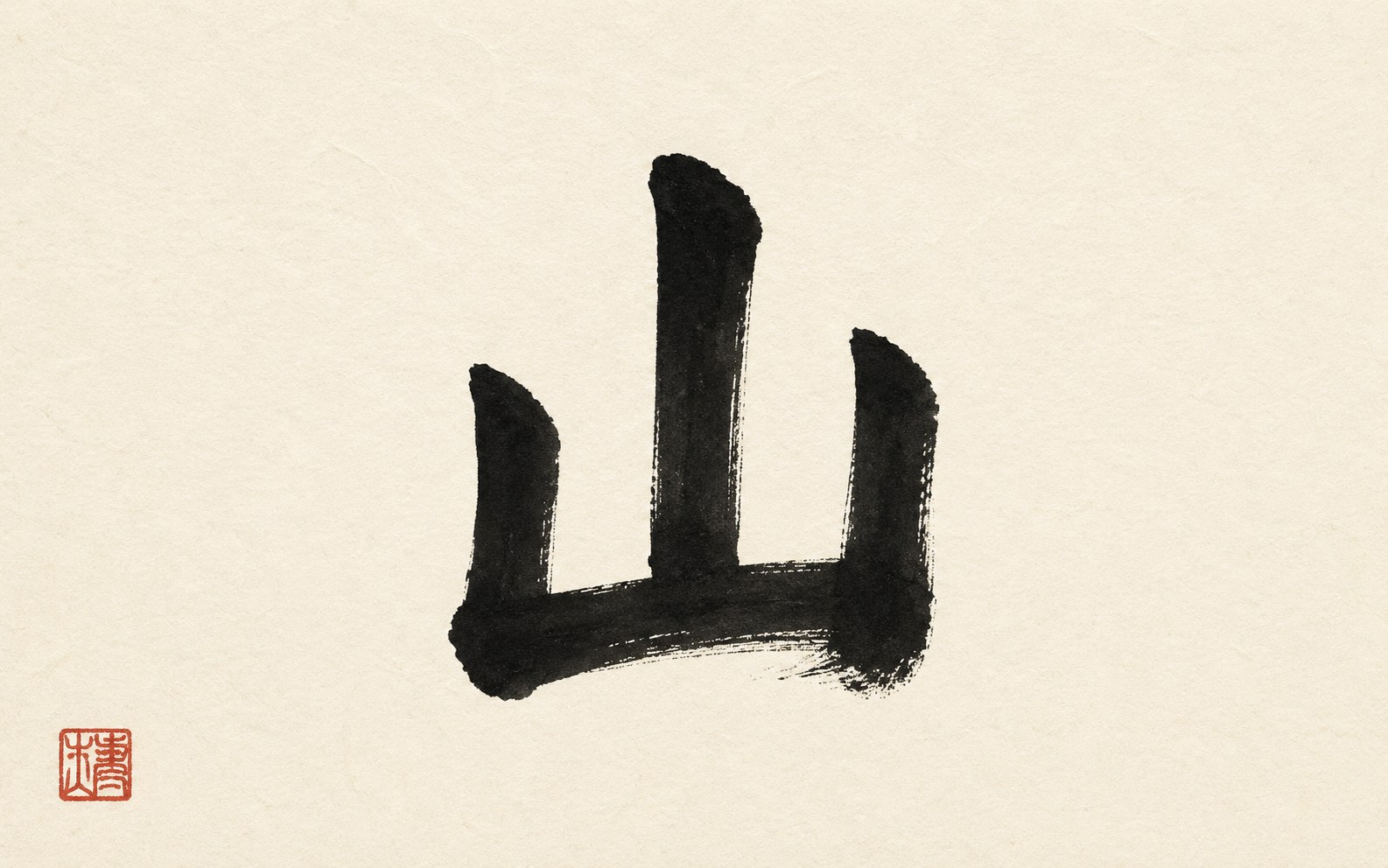
Mountain Kanji (山): Meaning, Mount Fuji & How to Write It
By K. Yama山 is the clearest picture in the whole writing system: three peaks you can still see. What 'mountain' means in a land where mountains are gods, and how to write it.
Continue reading → -
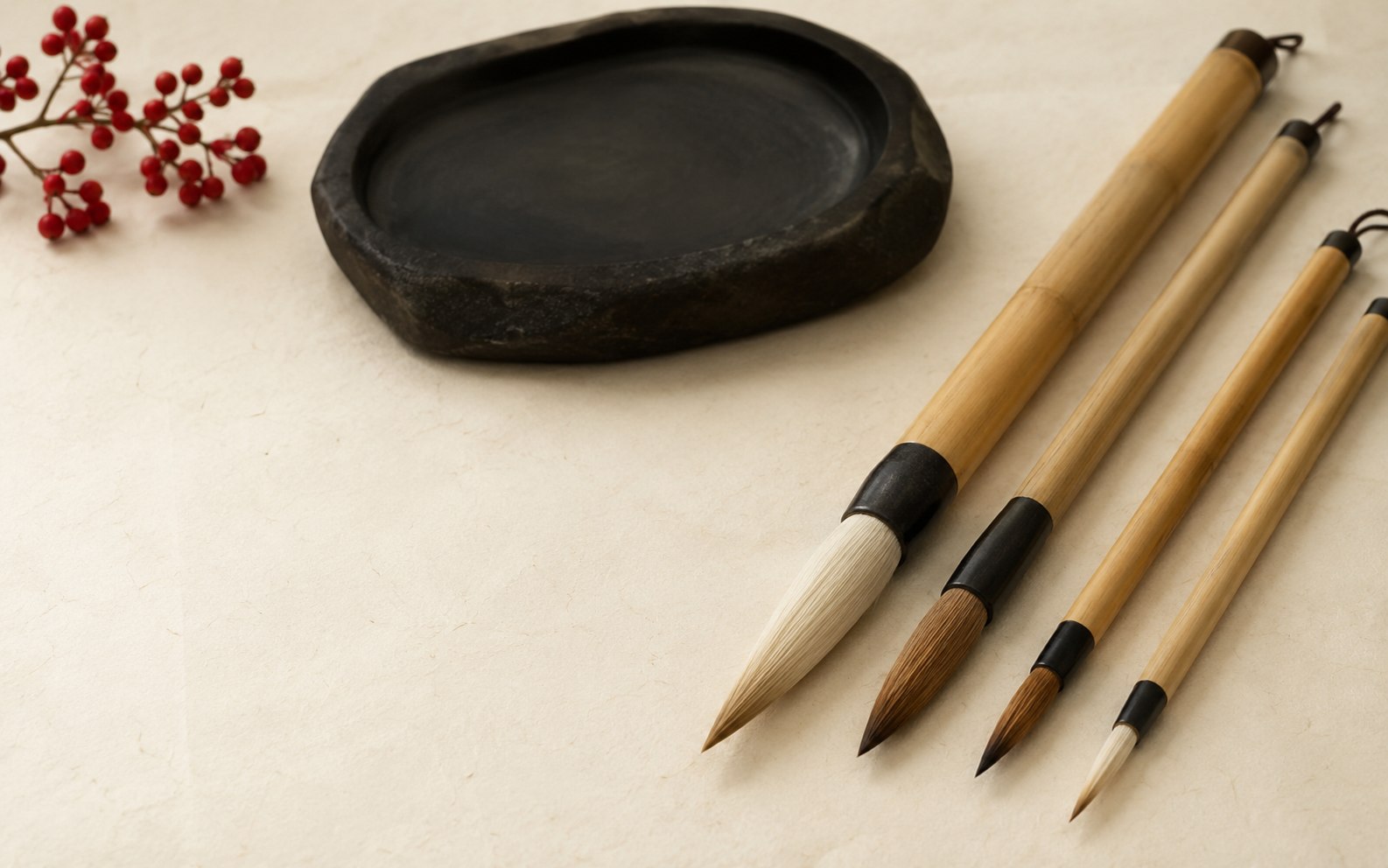
How to Clean & Care for a Japanese Calligraphy Brush
By K. YamaDried ink is what kills a calligraphy brush. How to clean, reshape, and store a fude so a good brush lasts years instead of being ruined in a month.
Continue reading → -
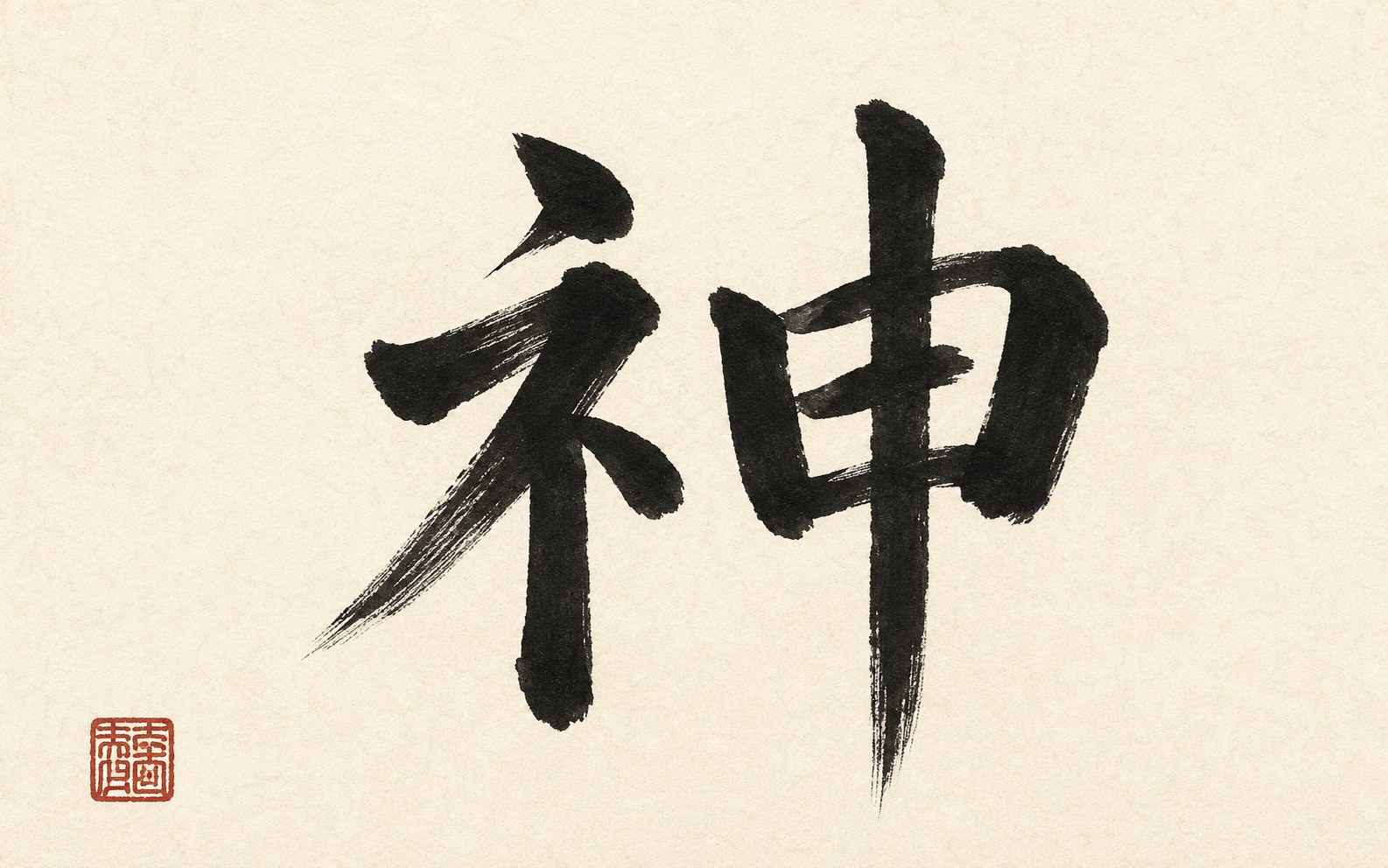
God Kanji (神): The Meaning of Kami and How to Write It
By K. YamaThe kanji 神 joins an altar to an old lightning bolt: the divine shown as awesome power. What kami really means, from Shinto shrines to the thunder god.
Continue reading → -
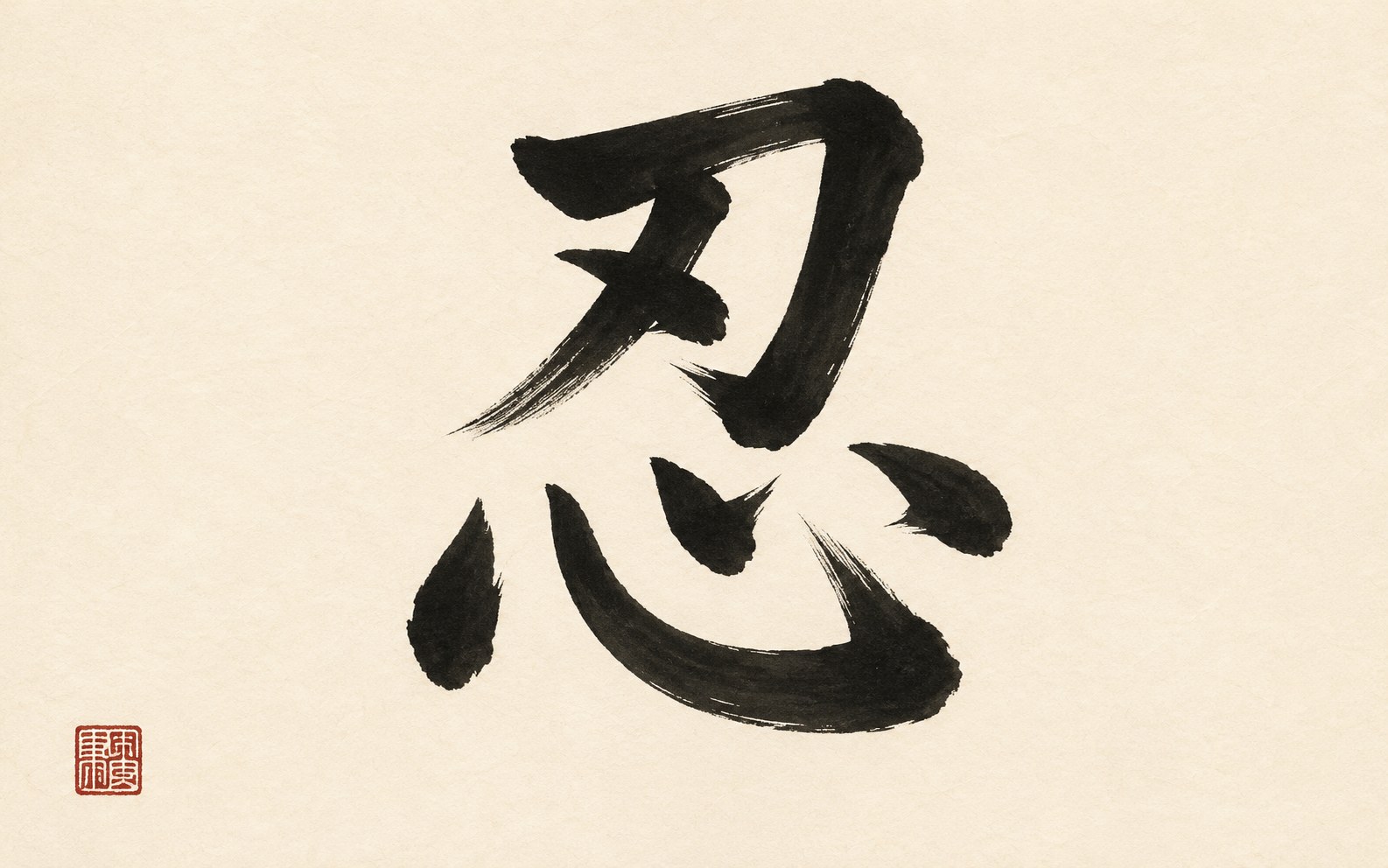
Endurance Kanji (忍): Perseverance, the Ninja & How to Write It
By K. YamaThe kanji 忍 sets a blade over a heart: to endure is to bear what cuts. It names the ninja, the quiet virtue of forbearance, and a sharper, darker edge.
Continue reading → -
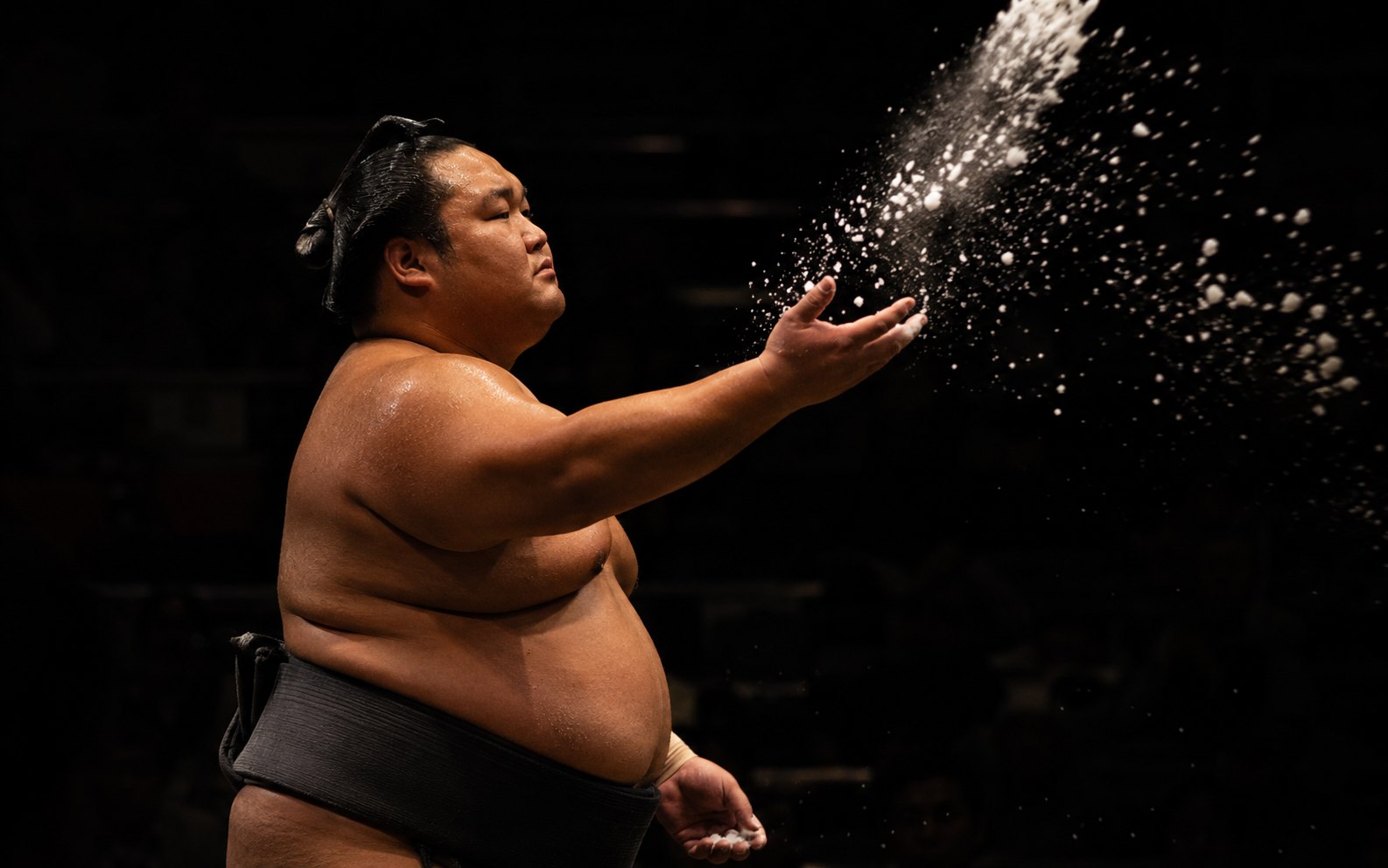
Sumo (相撲): The Ancient Ritual Behind Japan's Sport
By K. YamaThe bout lasts seconds; the ritual takes centuries. Why sumo is a Shinto rite in disguise — the salt, the sacred ring, and the wrestling that came last.
Continue reading → -
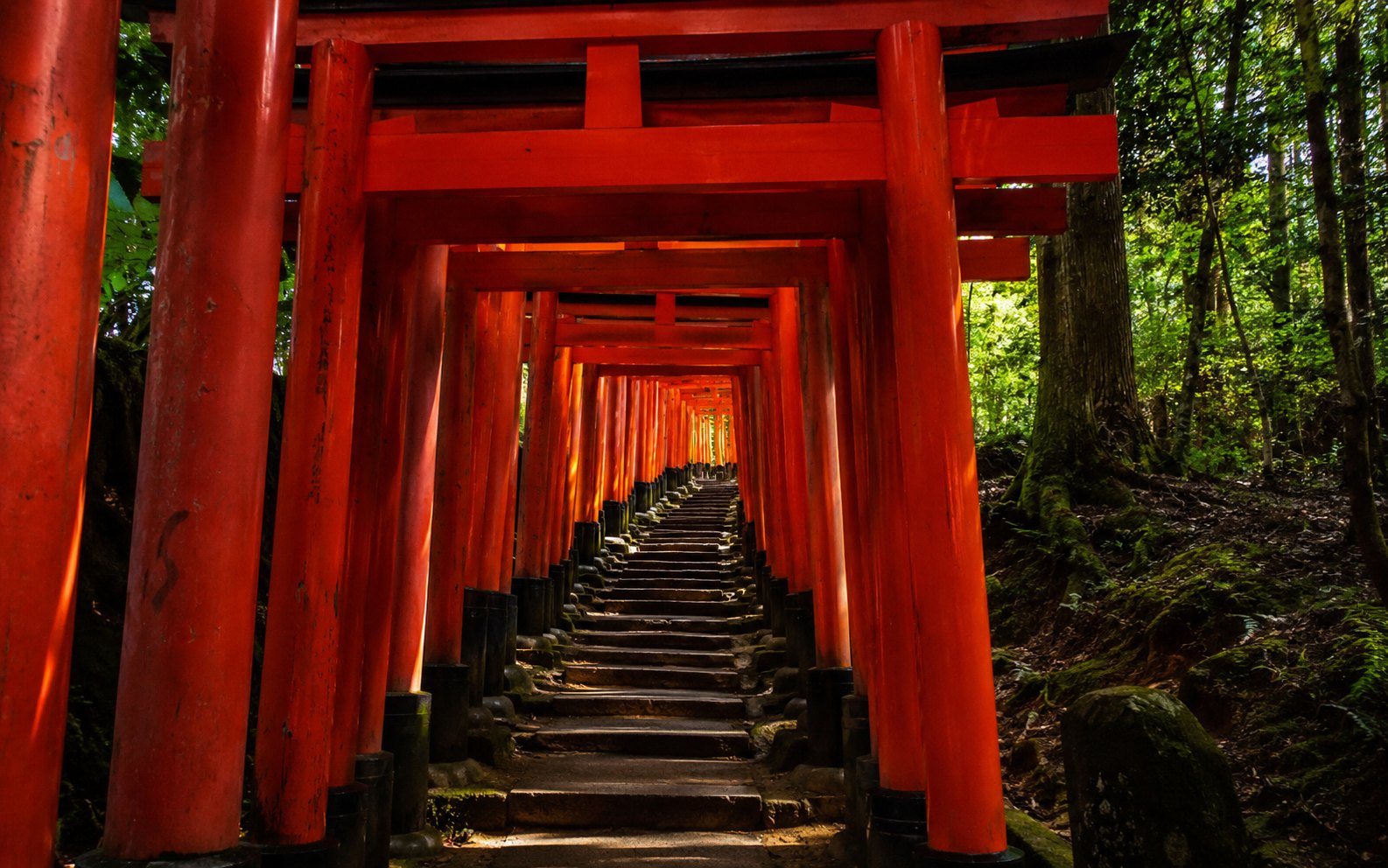
Shinto (神道): What the 'Way of the Kami' Really Is
By K. YamaShinto has no founder, no scripture, and no commandments. What Japan's native 'way of the kami' actually is — shrines, torii, purity, and the sacred in nature.
Continue reading →