Tag: shodo
All the articles with the tag "shodo".
-
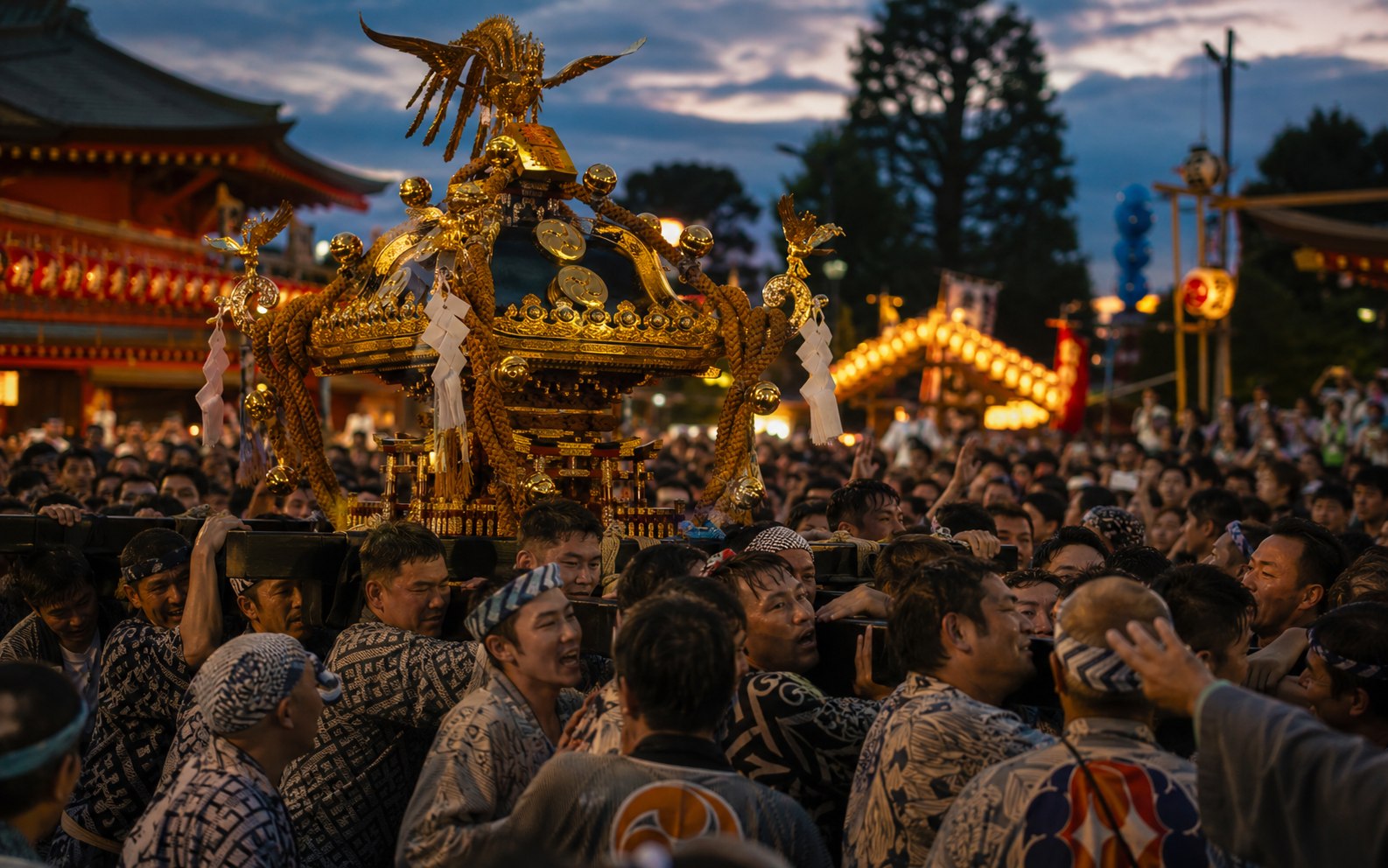
Matsuri (祭り): What Japan's Festivals Are Really About
By K. YamaA matsuri looks like a street party with food stalls and fireworks. At its root it is a Shinto rite — a portable shrine carrying a god through the streets.
Continue reading → -
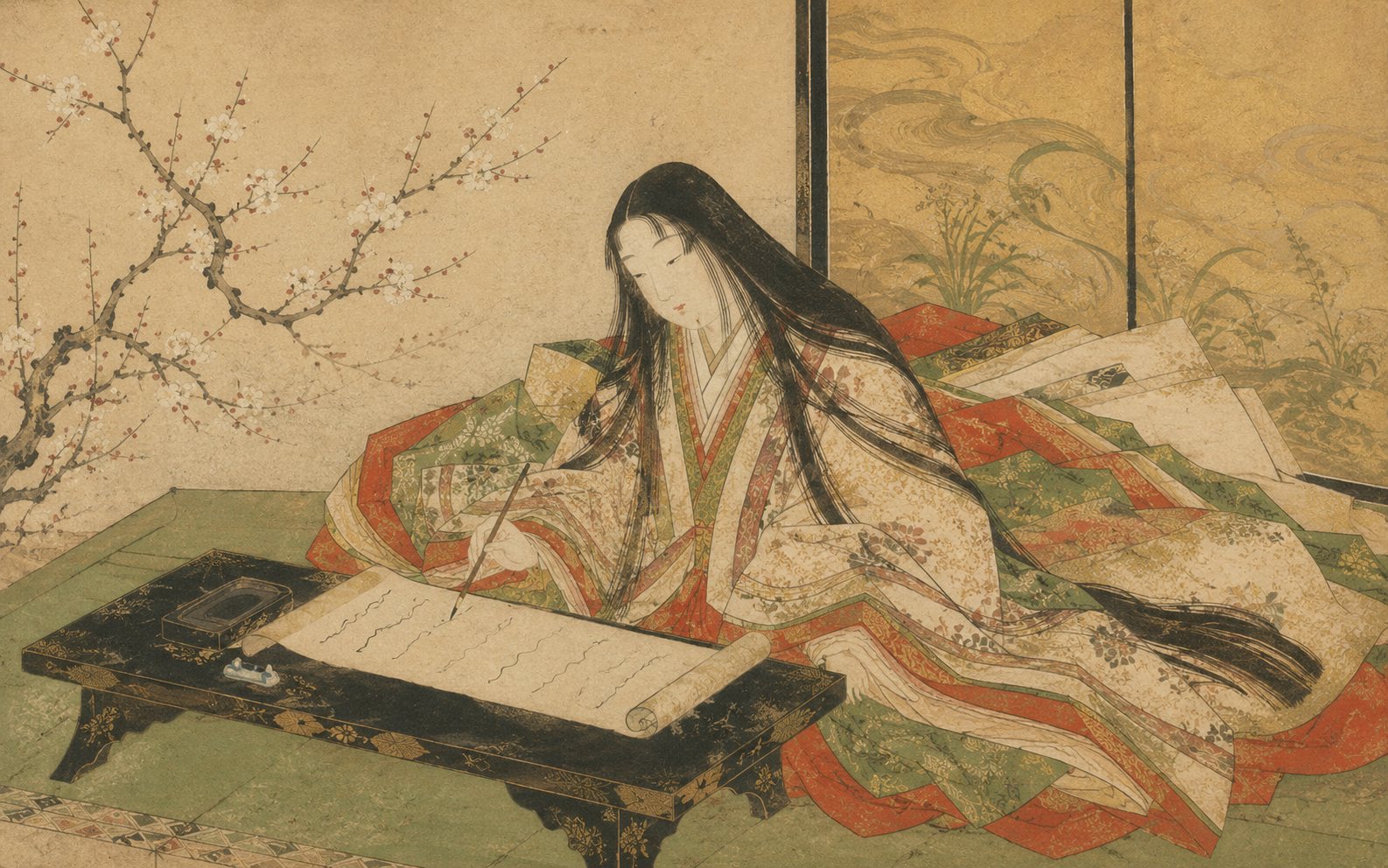
The Tale of Genji (源氏物語): The World's First Novel
By K. YamaA thousand years ago a Japanese court woman wrote what many call the world's first novel — in the script men dismissed as beneath them. The story of Genji.
Continue reading → -
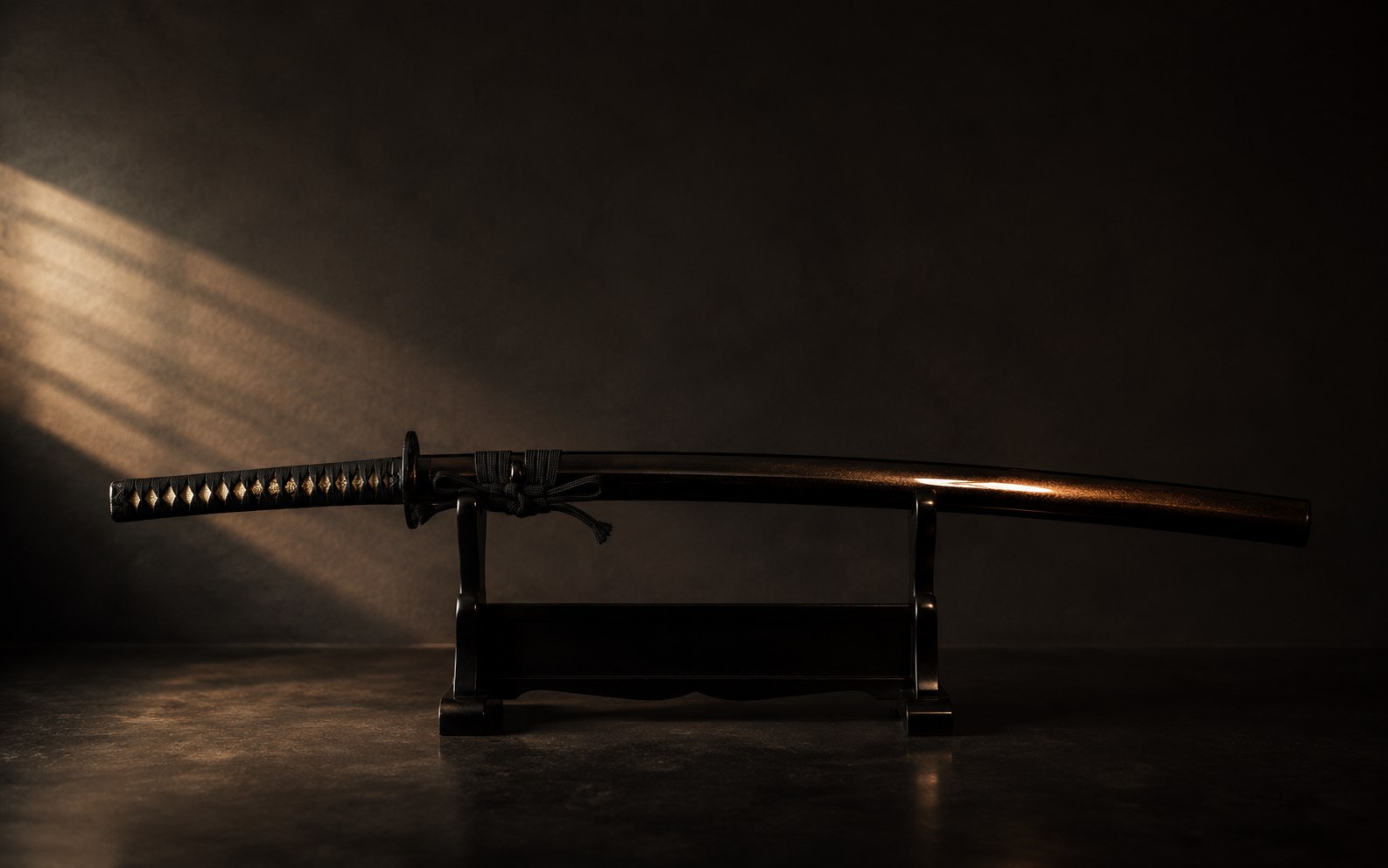
Bushidō (武士道): The Samurai Code, and the Myth Around It
By K. YamaBushidō means 'the way of the warrior' — but the single ancient samurai code most people picture was largely assembled late and sold to the West in 1900.
Continue reading → -
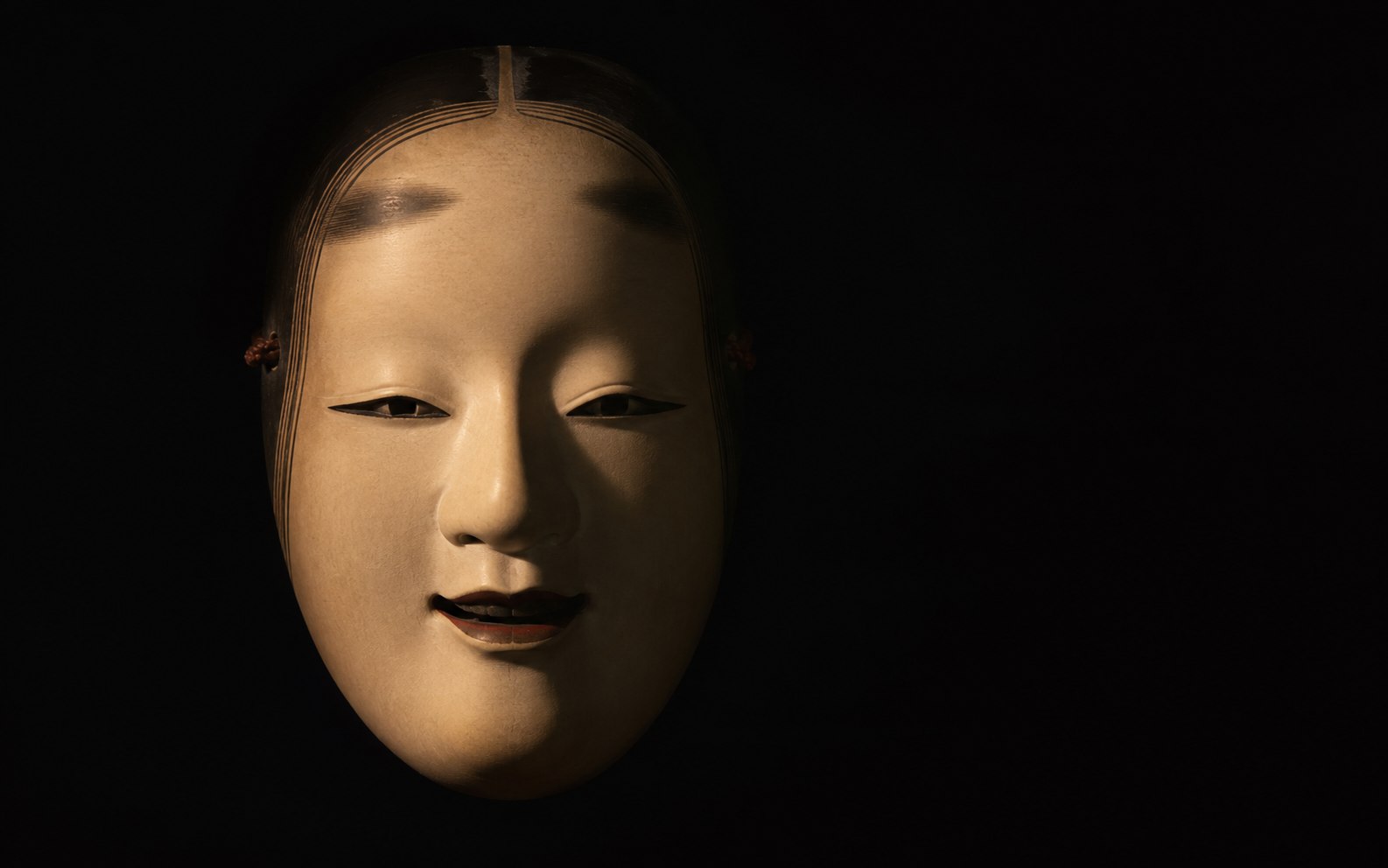
Noh (能): Japan's Oldest Theater and the Power of Less
By K. YamaNoh is the 650-year-old masked theater where a tilt of the head does what kabuki would shout. What makes it the slowest, subtlest stage in the world.
Continue reading → -
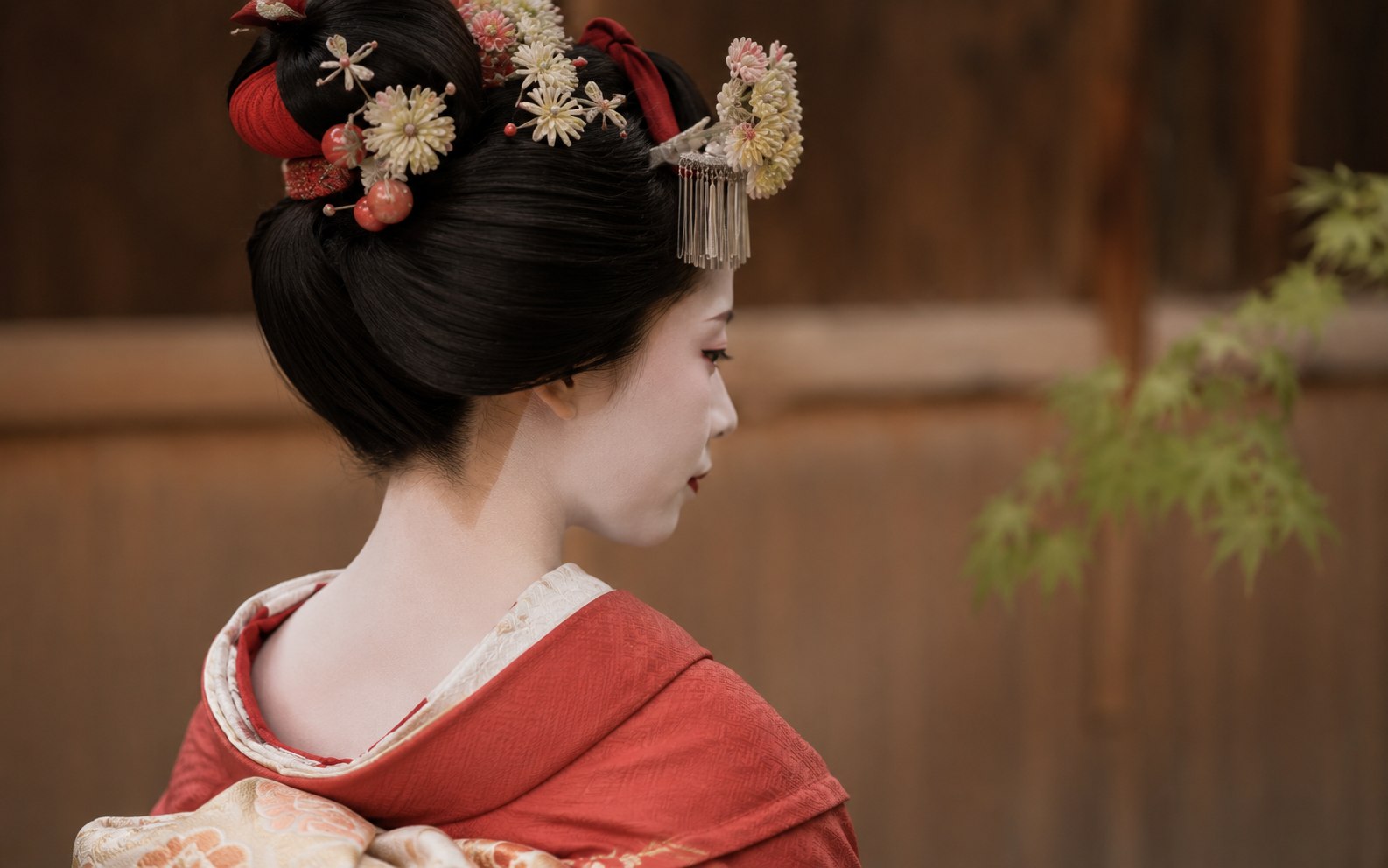
Geisha (芸者): What a Geisha Really Is (and Isn't)
By K. YamaGeisha means 'artist,' not what the West imagines. What geisha really do, how they differ from courtesans and from maiko, and why the first geisha were men.
Continue reading → -
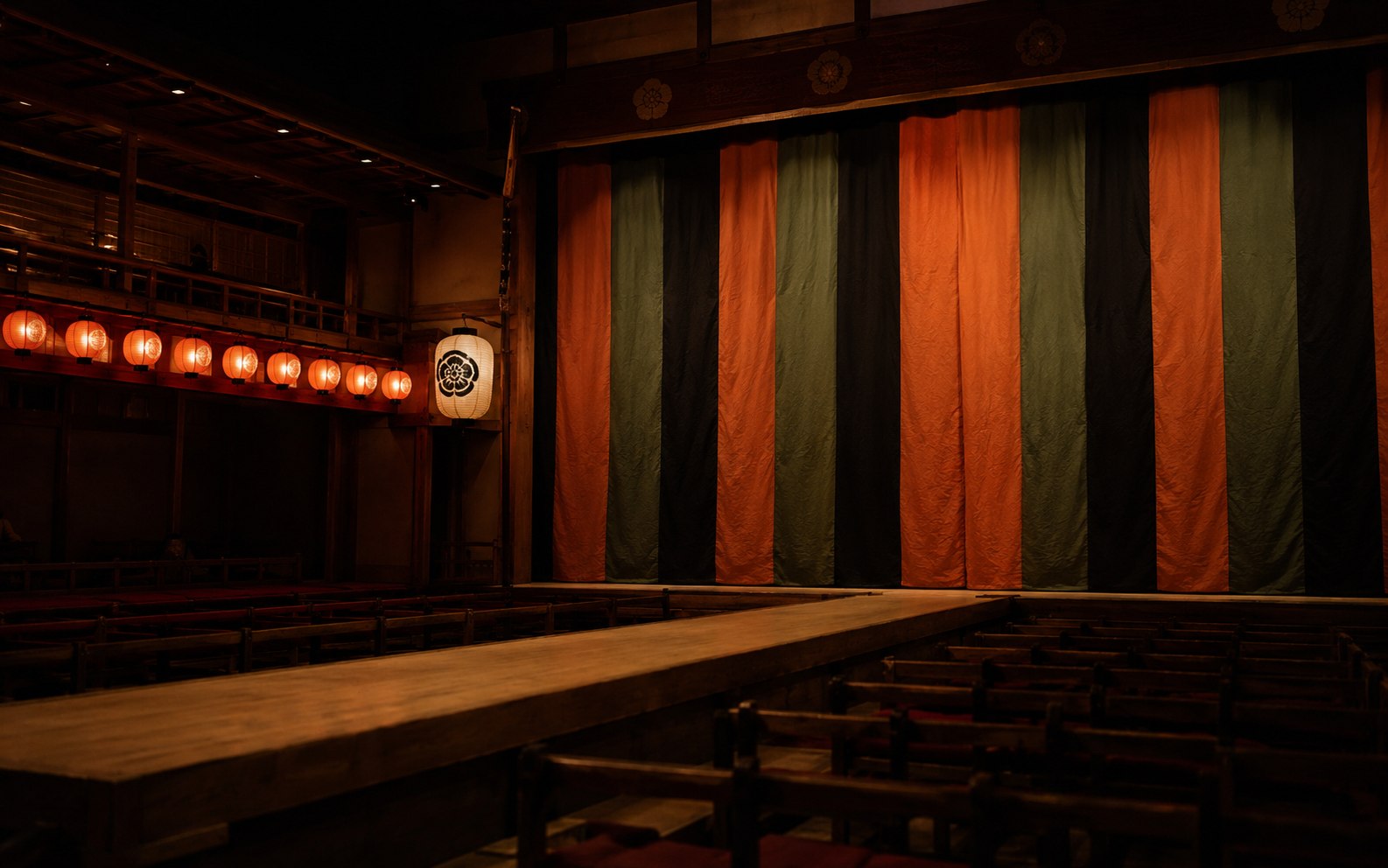
Kabuki (歌舞伎): Japan's Wild Theater, Started by a Woman
By K. YamaKabuki means 'the art of the outlandish.' Founded by a woman, forced all-male by government bans, and built as raucous pop entertainment for Edo's commoners.
Continue reading → -
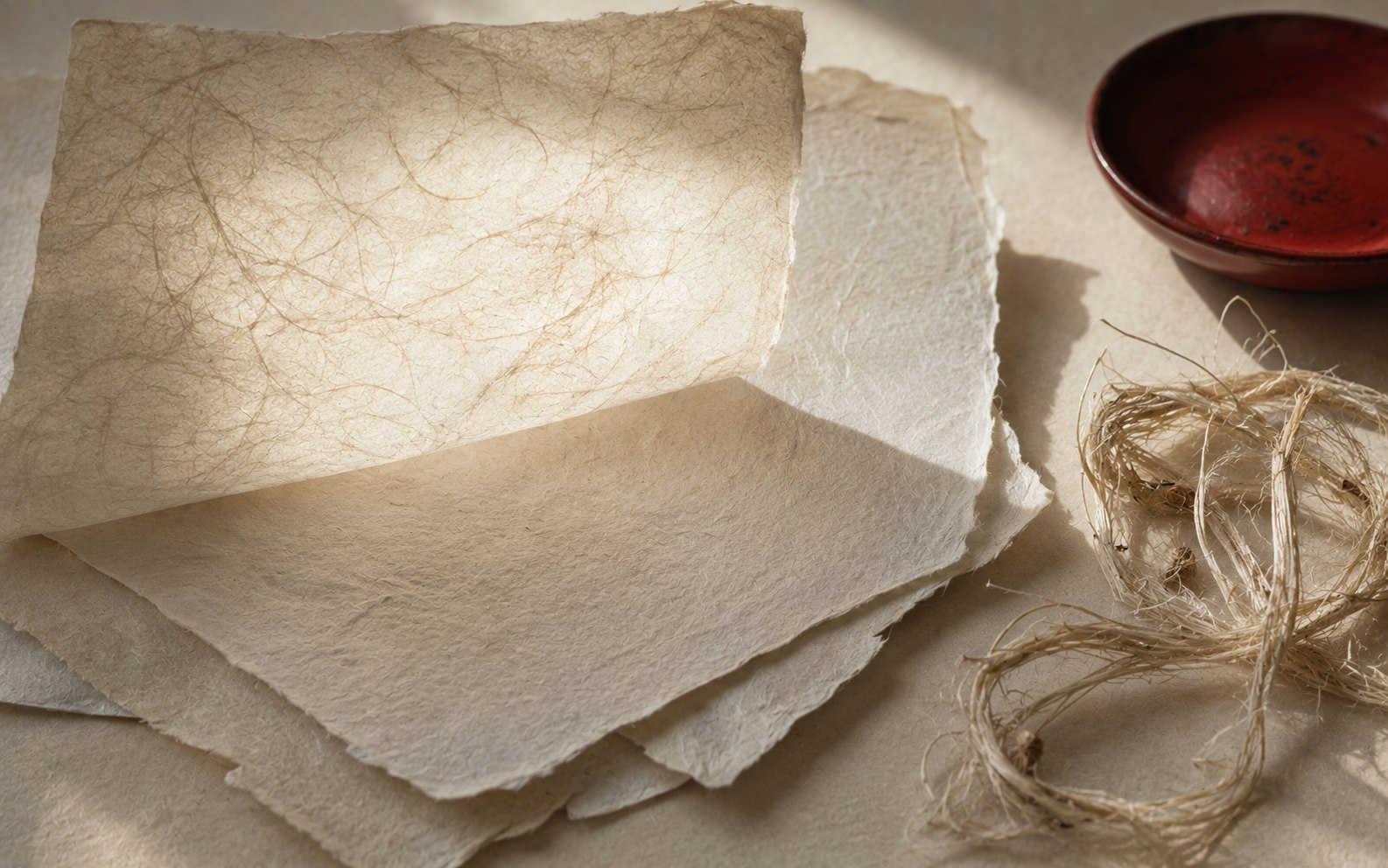
Washi (和紙): The Japanese Paper That Lasts a Thousand Years
By K. YamaWashi is made from shrub bark, not wood pulp, which is why it survives a thousand years. Why museums repair Western masterpieces with Japanese paper.
Continue reading → -
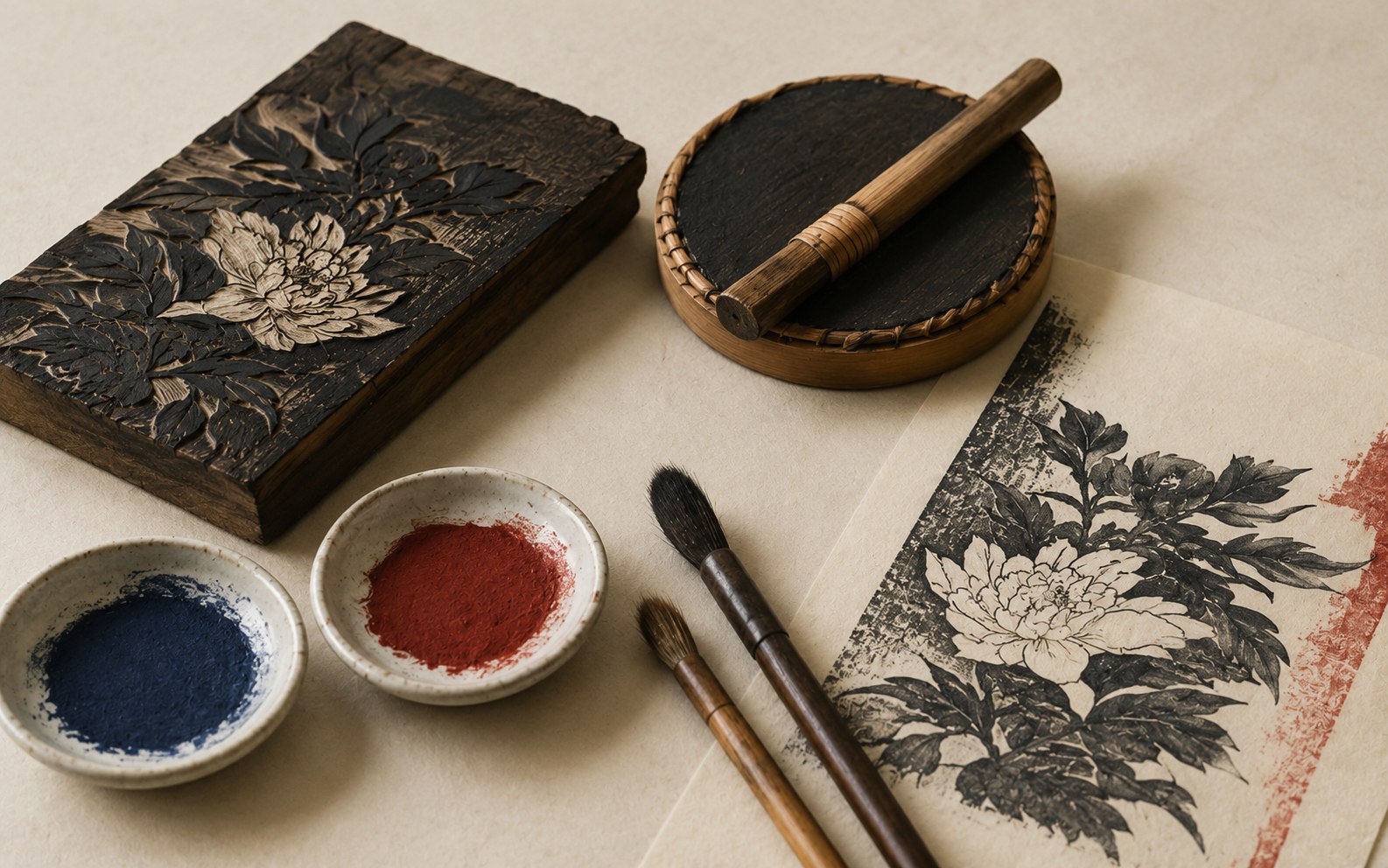
Ukiyo-e (浮世絵): Mass-Made Art That Conquered the West
By K. YamaUkiyo-e were Edo Japan's throwaway pop prints: actor posters, pin-ups, travel scenes by a team of four. How the floating world went on to remake Western art.
Continue reading → -
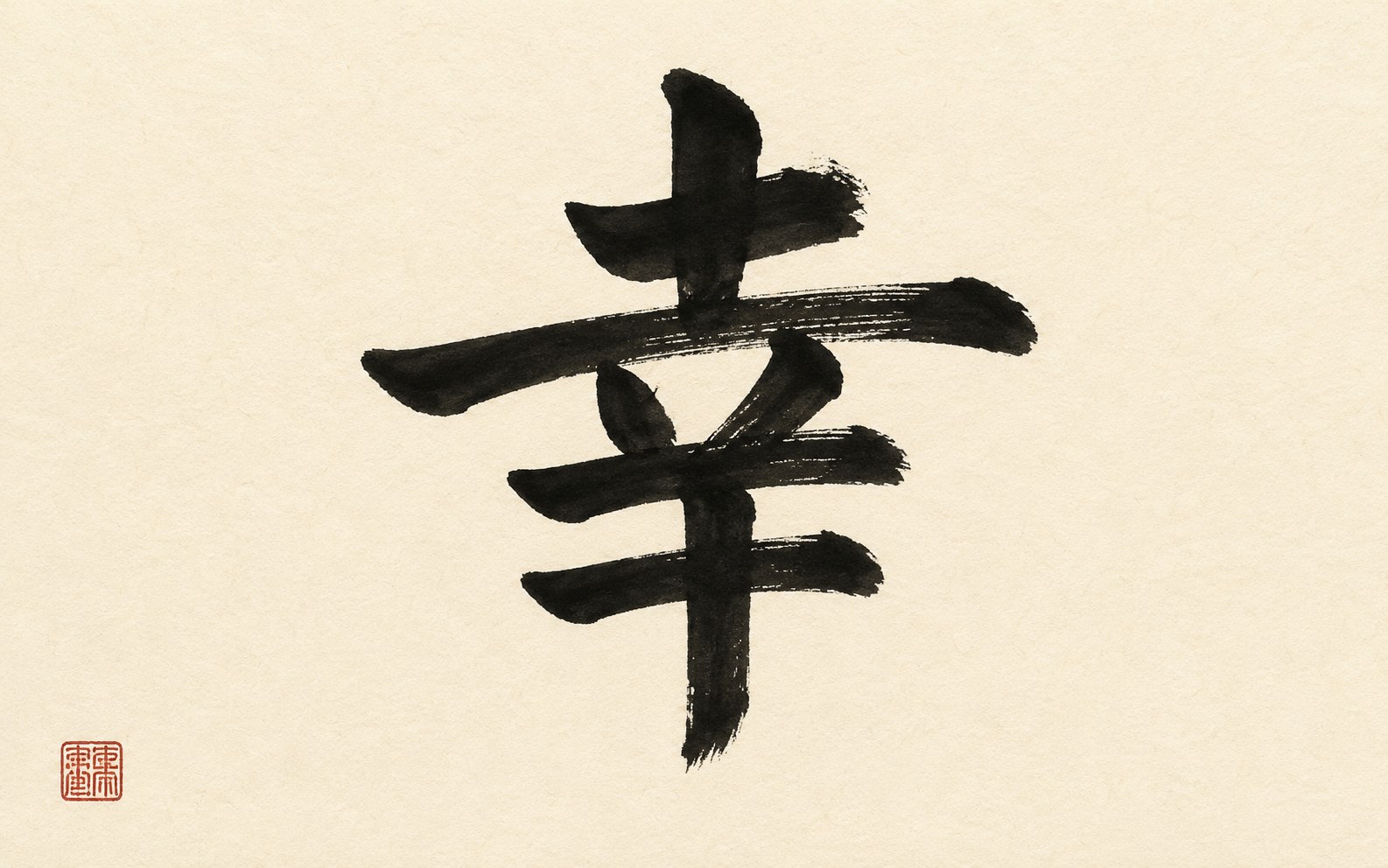
Happiness Kanji (幸): Meaning, Dark Origins & How to Write It
By K. YamaHappiness kanji (幸): its oldest forms point to handcuffs and escaped death. Why, in Japanese, good fortune turns out to be the calamity that didn't happen.
Continue reading → -
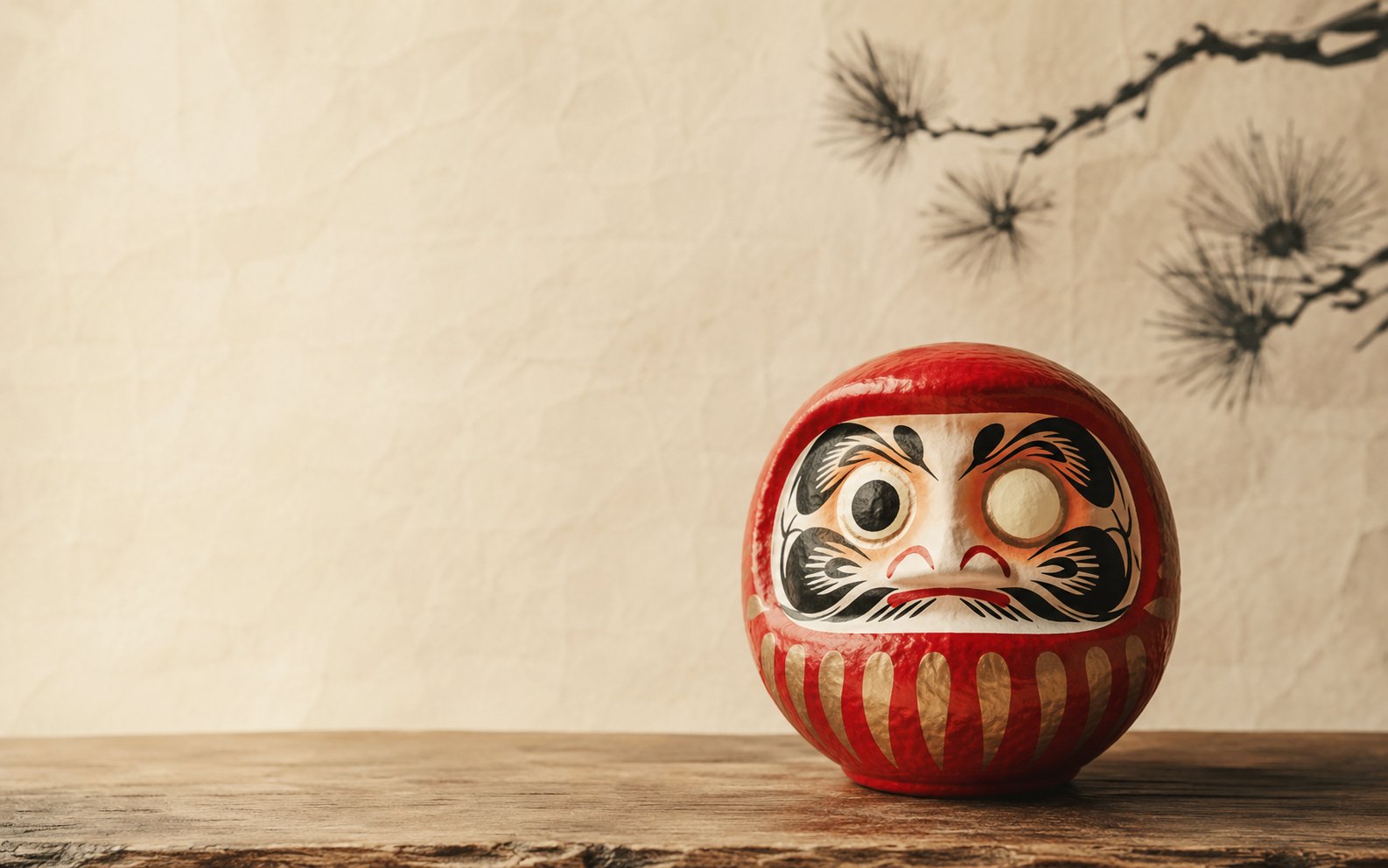
Daruma (達磨): The Zen Founder Behind Japan's Lucky Doll
By K. YamaUpdated:The red Daruma doll isn't just a lucky charm — it's Bodhidharma, the founder of Zen. The story of the doll, the eye-painting ritual, and what it means.
Continue reading →