Tag: shodo
All the articles with the tag "shodo".
-
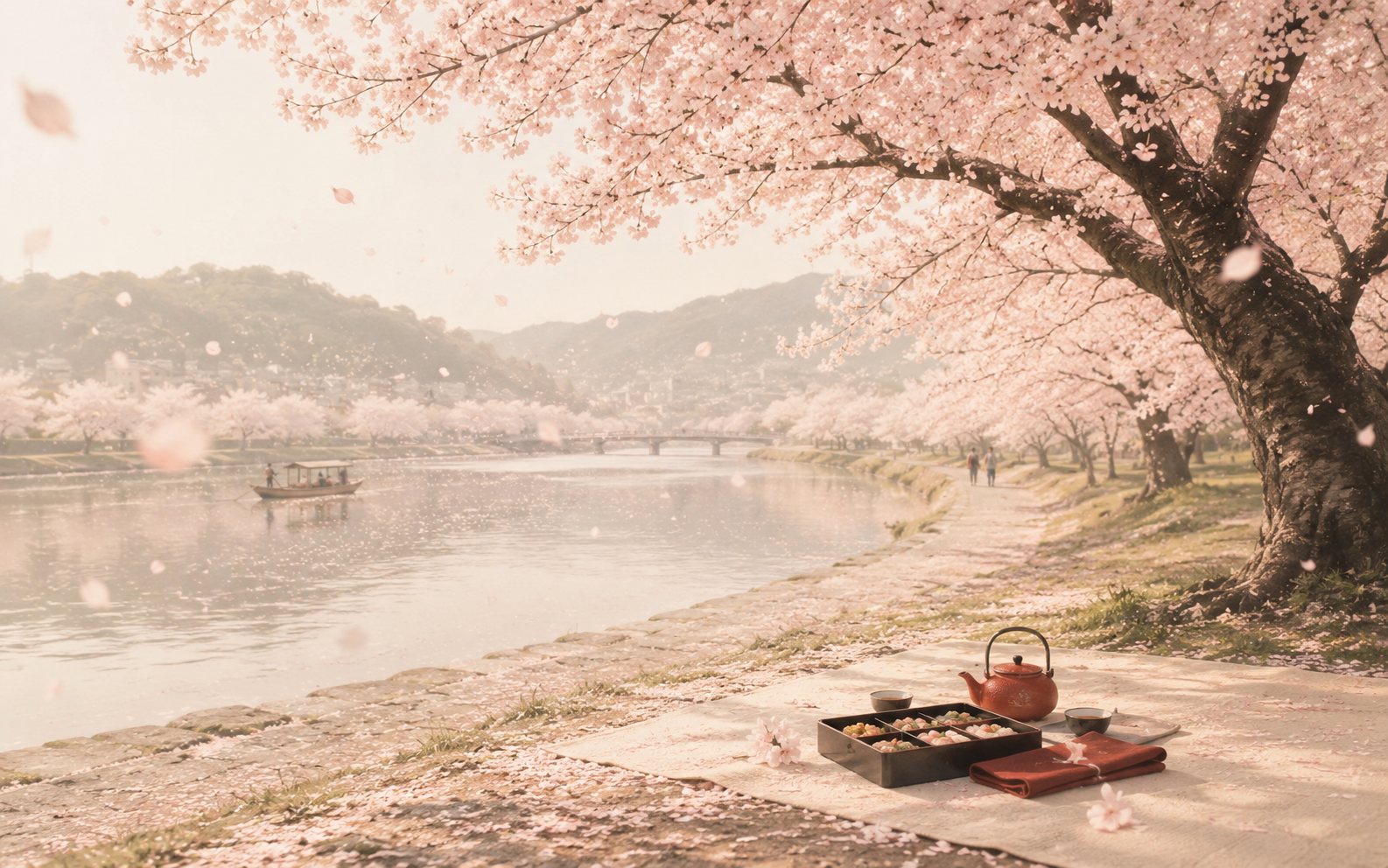
Hanami (花見): Japan's Cherry Blossom Viewing, Explained
By K. YamaUpdated:Hanami (花見), Japan's cherry blossom viewing, began with plum. Its 1,300-year history, how the picnic works, and why the falling petals are the point.
Continue reading → -
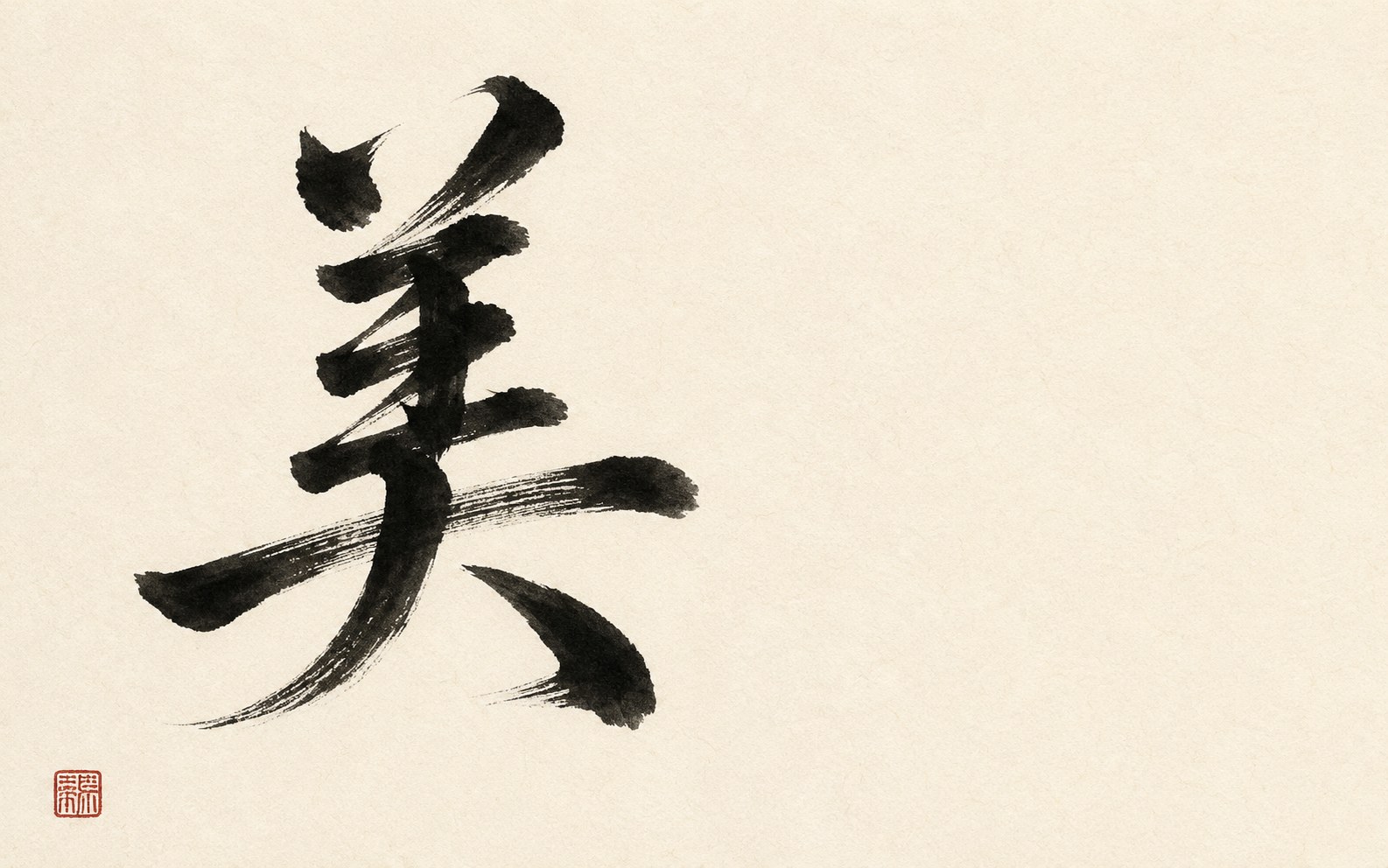
Beauty Kanji (美): The 'Big Sheep' Character, Explained
By K. YamaUpdated:The kanji 美 (beauty) is built from 'big' and 'sheep' — and grew into the root of art, aesthetics, even 'delicious.' Its history and how to write it.
Continue reading → -
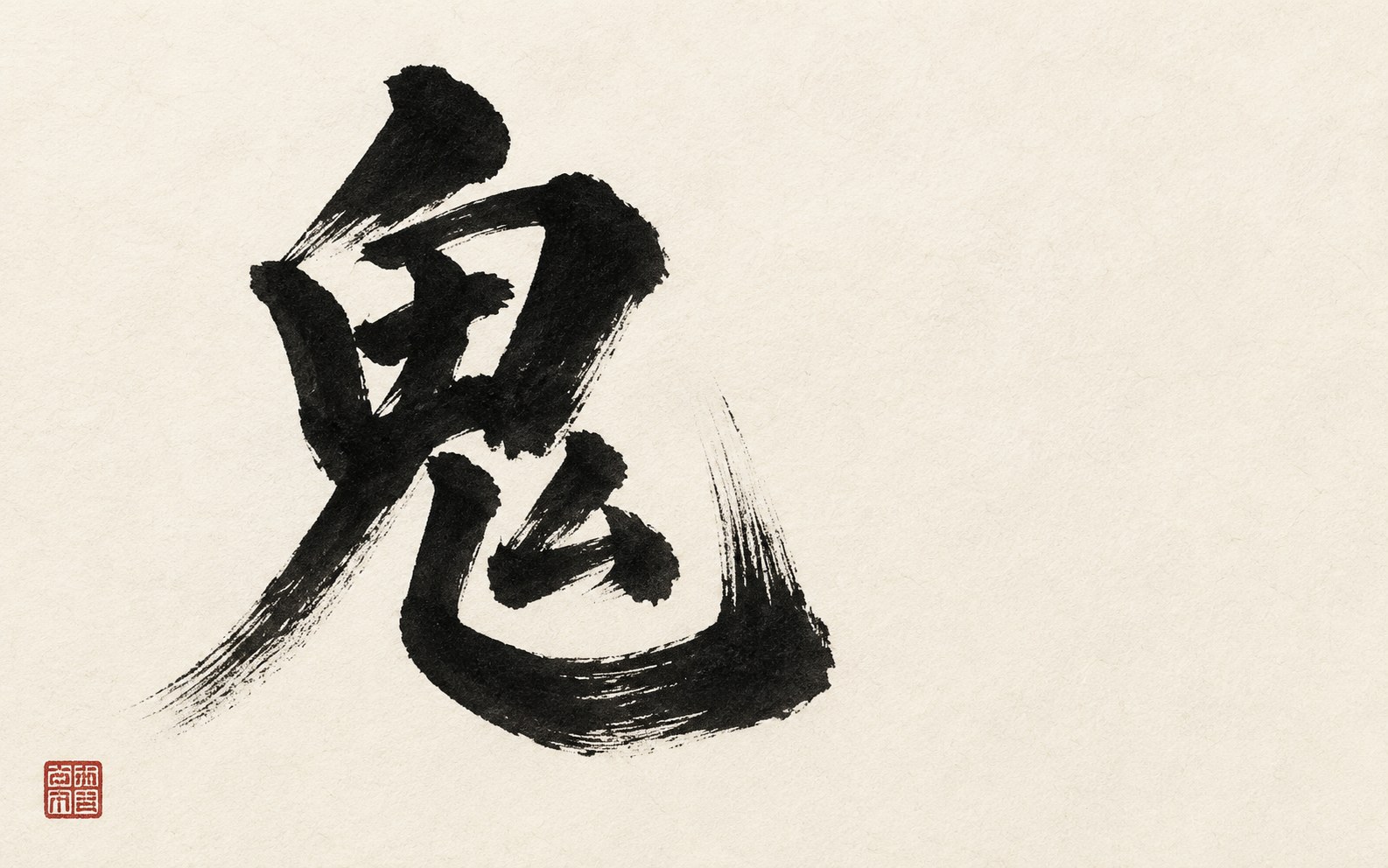
Oni Kanji (鬼): Demon, Protector, and How to Write It
By K. YamaUpdated:鬼 (oni) means demon — but oni guard rooftops as well as haunt tales, and the character once meant 'ghost.' Its double life, and how to write it.
Continue reading → -
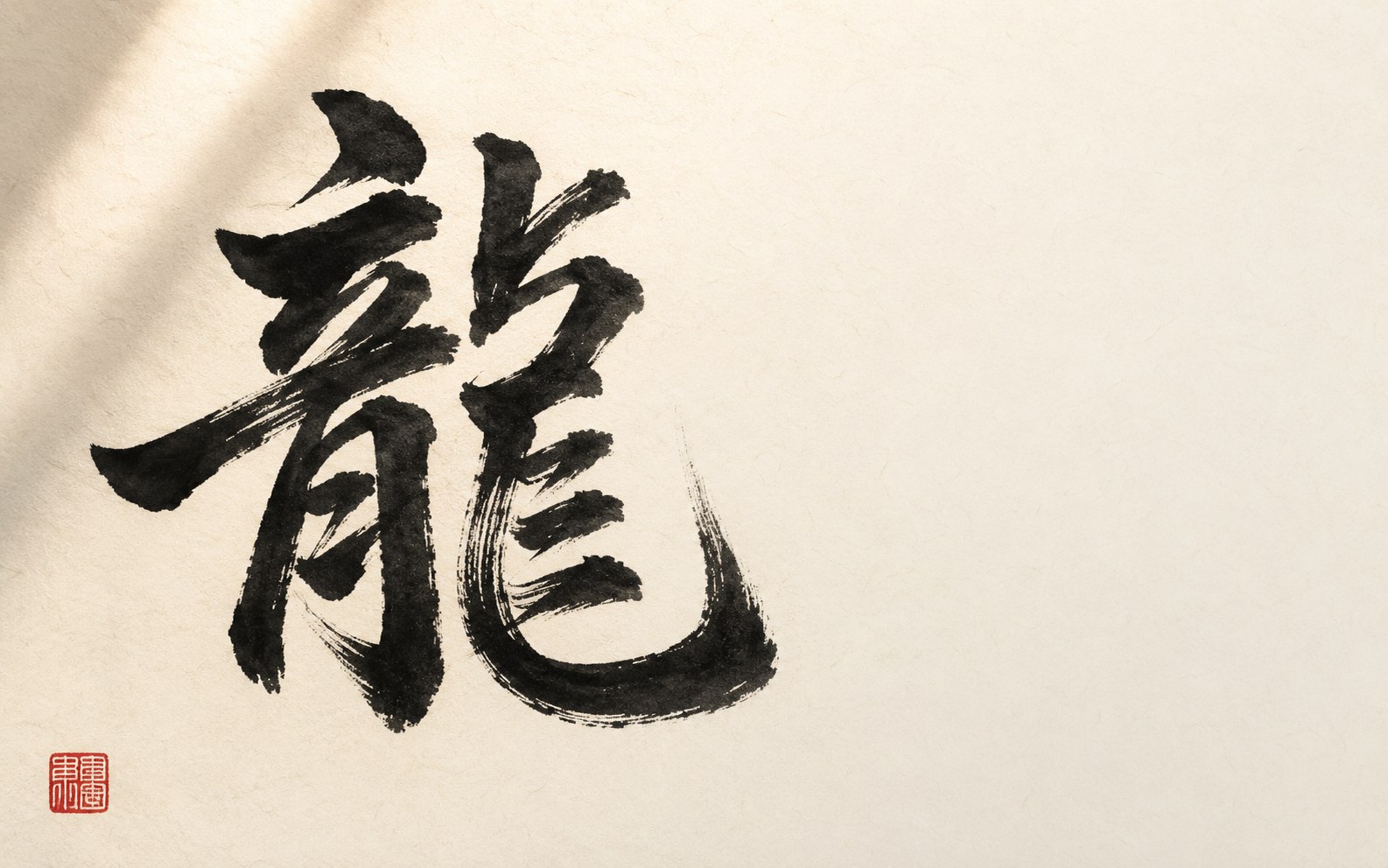
Dragon Kanji (龍): Meaning, the Two Forms, and How to Write It
By K. YamaUpdated:The kanji 龍 means dragon — a water god, not a fire-beast. What it stands for in Japan, the two written forms 龍 and 竜, and how to write all 16 strokes.
Continue reading → -
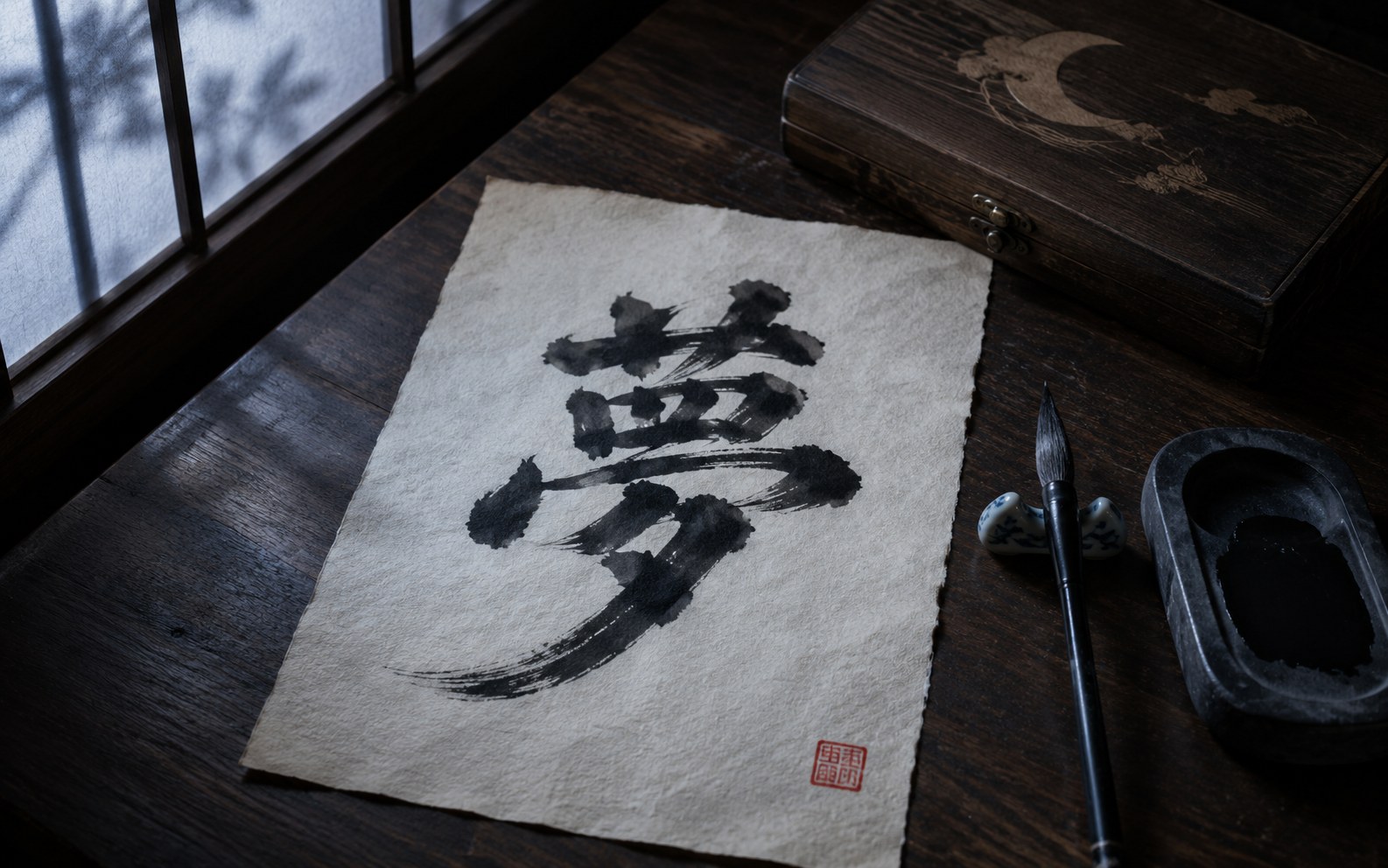
Dream Kanji (夢): Meaning, Etymology, and How to Write It
By K. YamaUpdated:The kanji for dream (夢) holds two meanings English splits apart: the dream you sleep through and the one you chase. Its origin and how to write it.
Continue reading → -
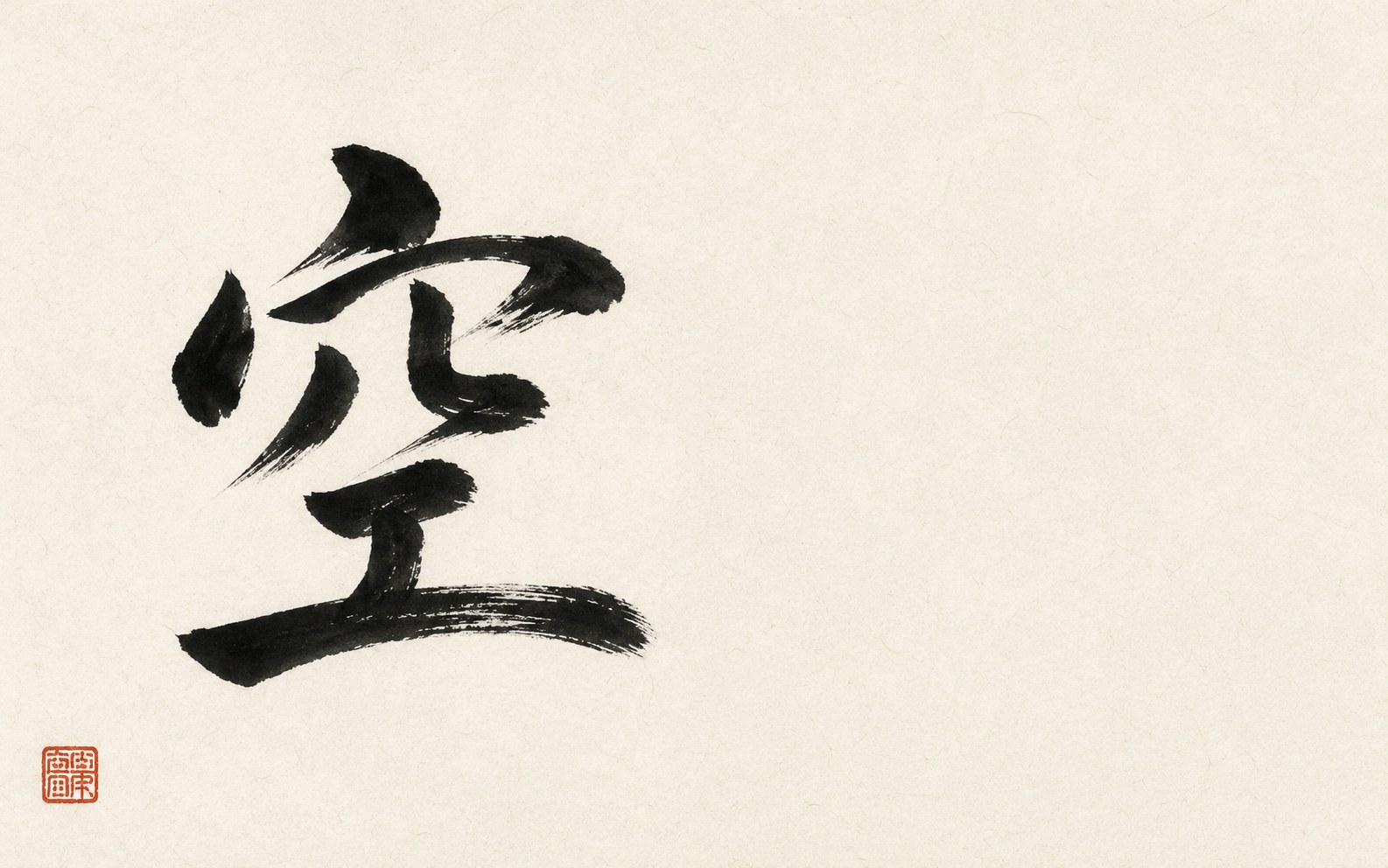
Emptiness Kanji (空): Sky, Void, and the Heart Sutra
By K. YamaUpdated:空 means both 'sky' and 'emptiness,' and in Zen it carries the Heart Sutra's śūnyatā. How one character holds the heavens and the void, and how to write it.
Continue reading → -
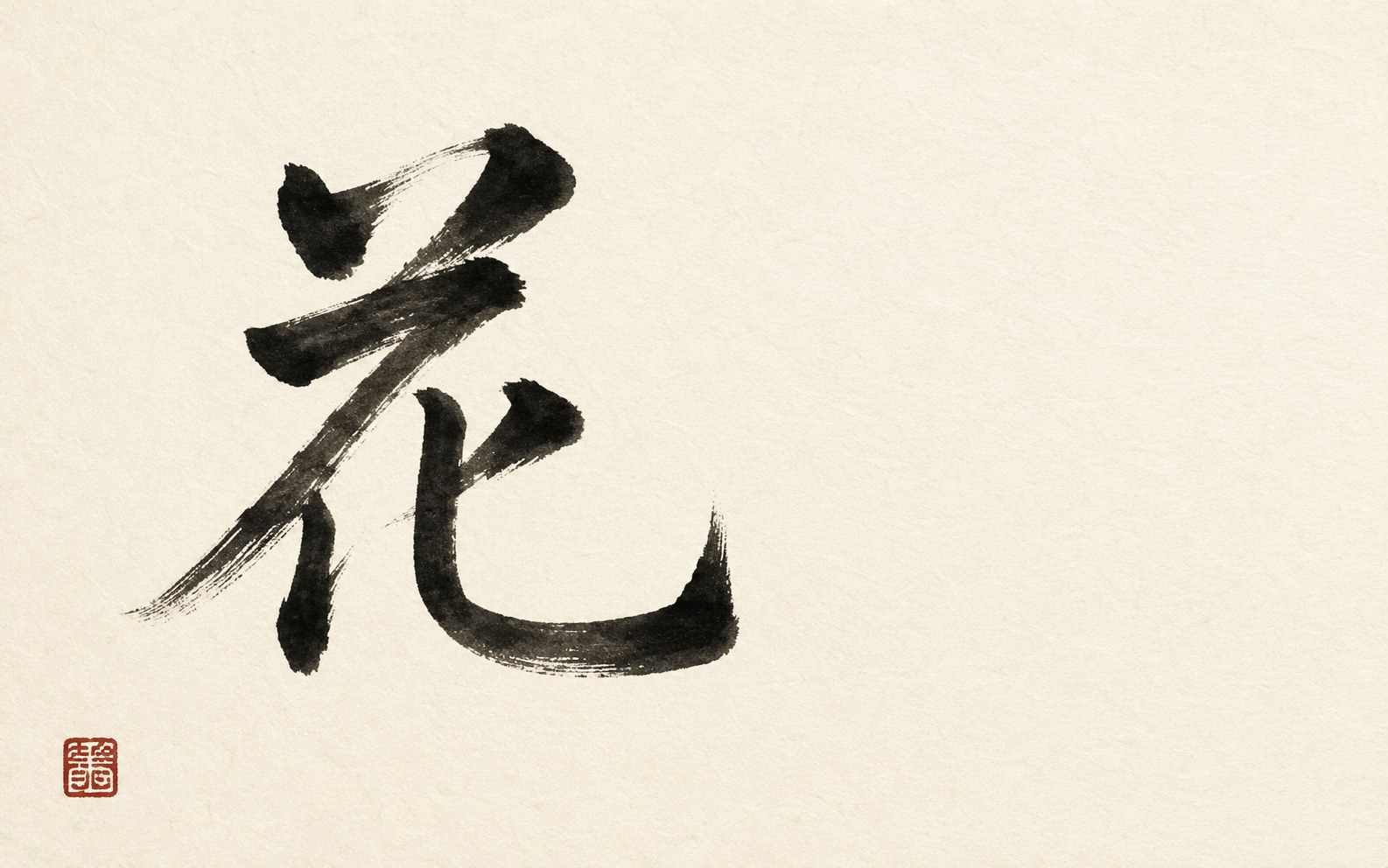
Flower Kanji (花): Meaning, Hanami, and How to Write It
By K. YamaUpdated:花 (hana) means flower — a kanji with 'change' hidden inside it, and the character behind hanami and ikebana. Meaning, readings, and how to write it.
Continue reading → -
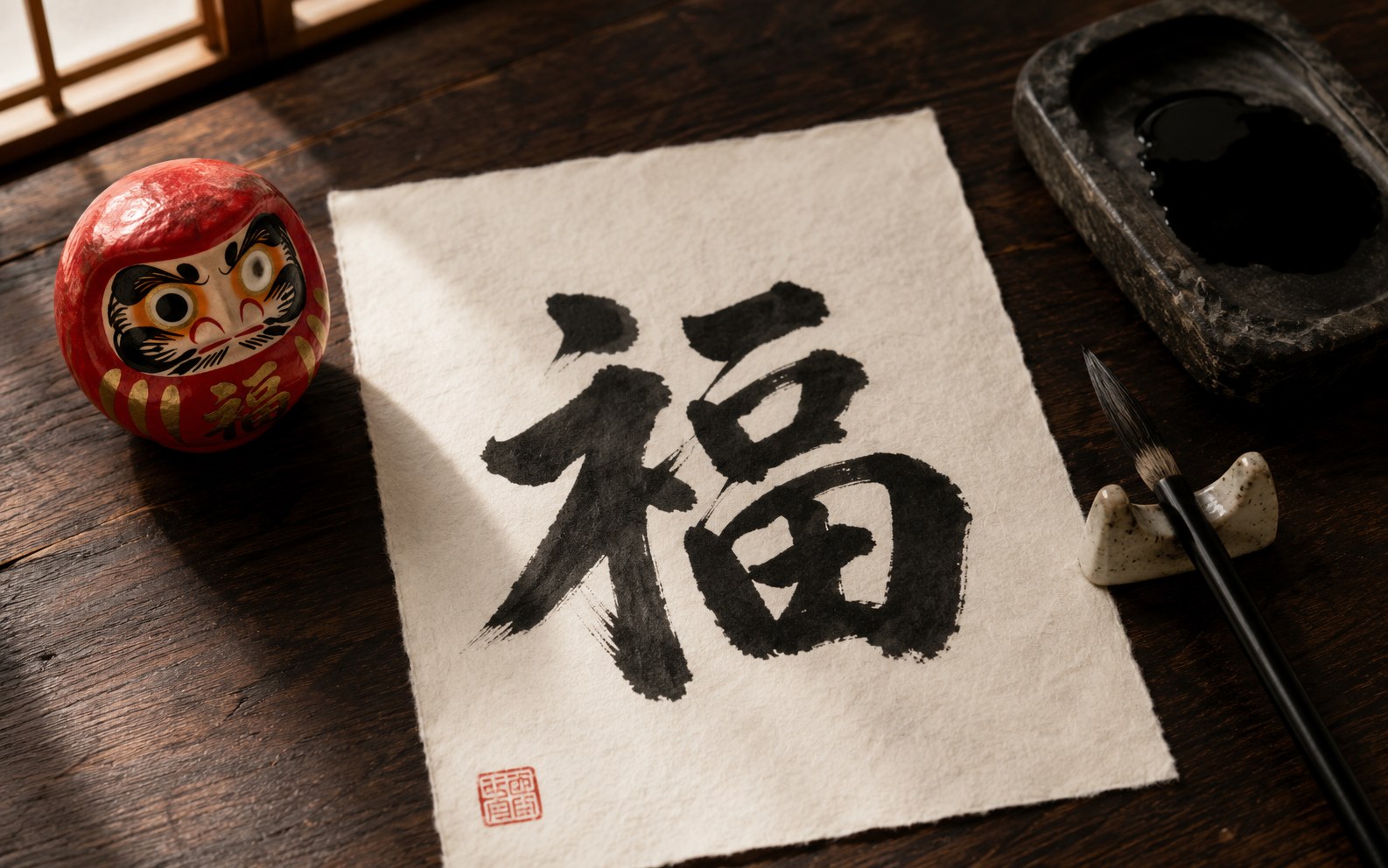
Fortune Kanji (福): Meaning, Luck & How to Write It
By K. YamaUpdated:The kanji 福 (fuku) is the luck character Japan hangs everywhere at New Year. Where it comes from, what it promises, and how to write it well.
Continue reading → -
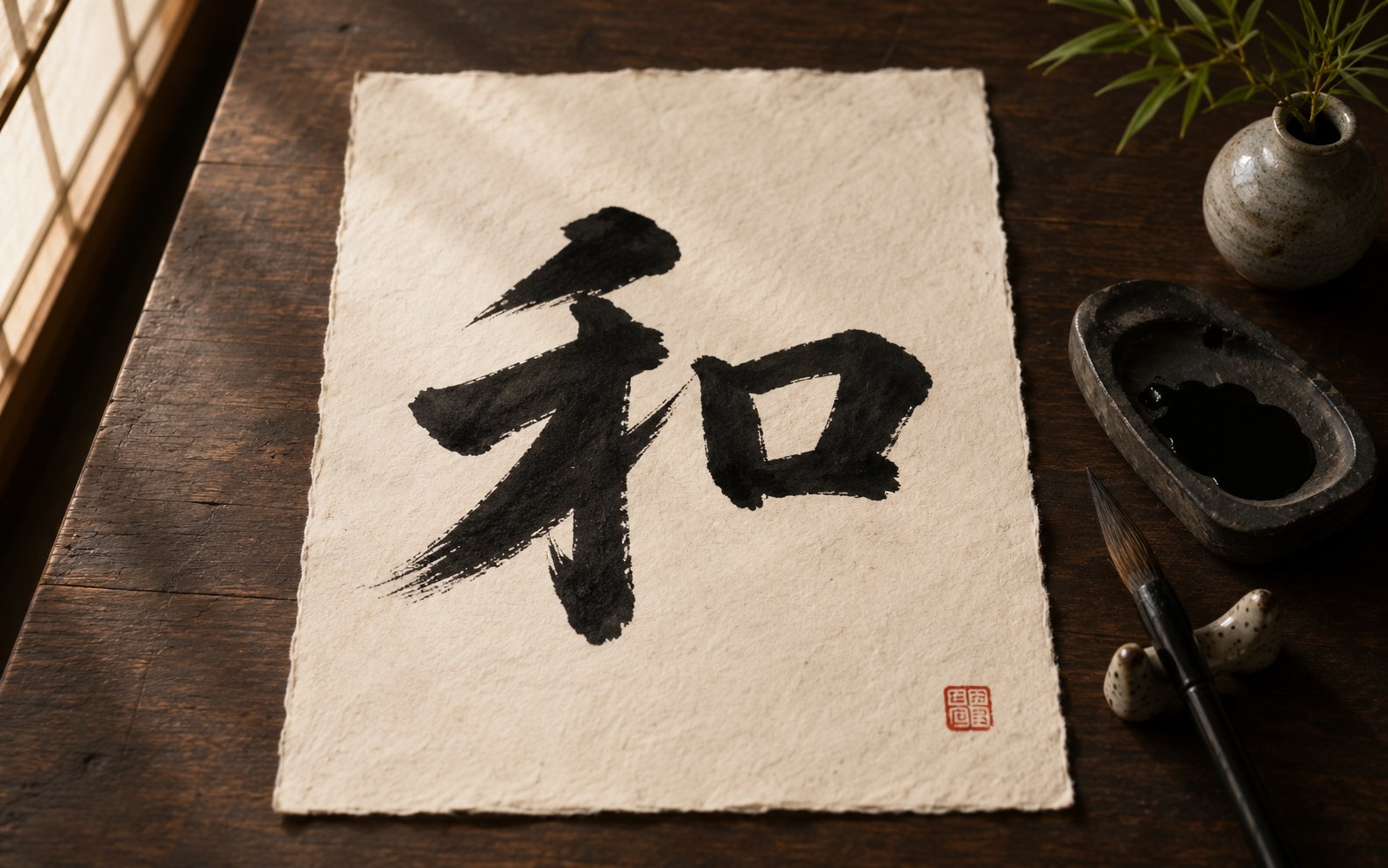
Harmony Kanji (和): Meaning & Why It Defines Japan
By K. YamaUpdated:The kanji 和 means harmony — and doubles as the name for Japan itself. Why one character carries both, and how to write it with the balance it preaches.
Continue reading → -
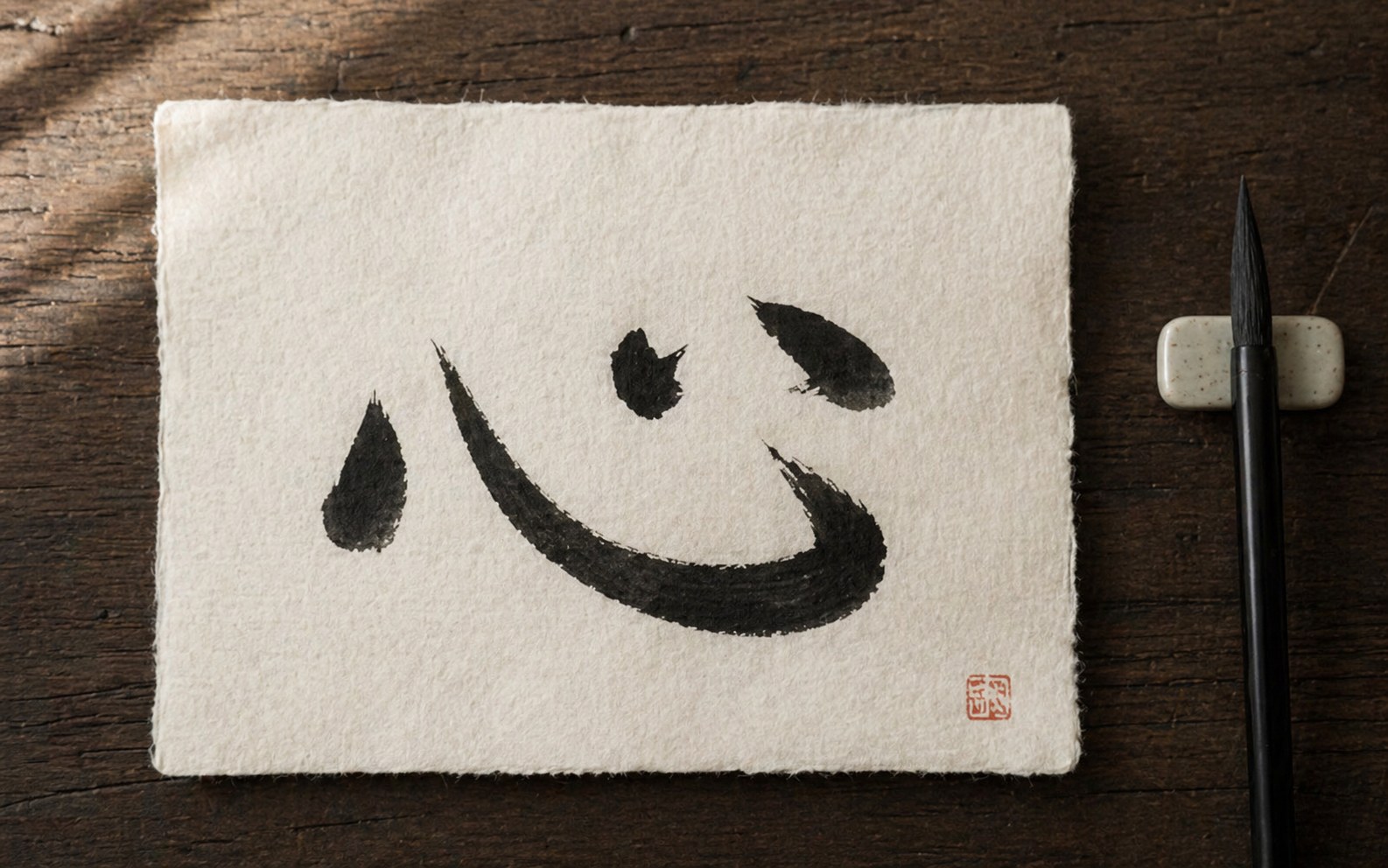
Heart Kanji (心): Meaning, Stroke Order & Why It's Hard
By K. YamaUpdated:Heart kanji (心, kokoro) means heart, mind, spirit, and sincerity at once. A Japanese calligrapher on what it really means and why 4 strokes are the hardest in shodō.
Continue reading →